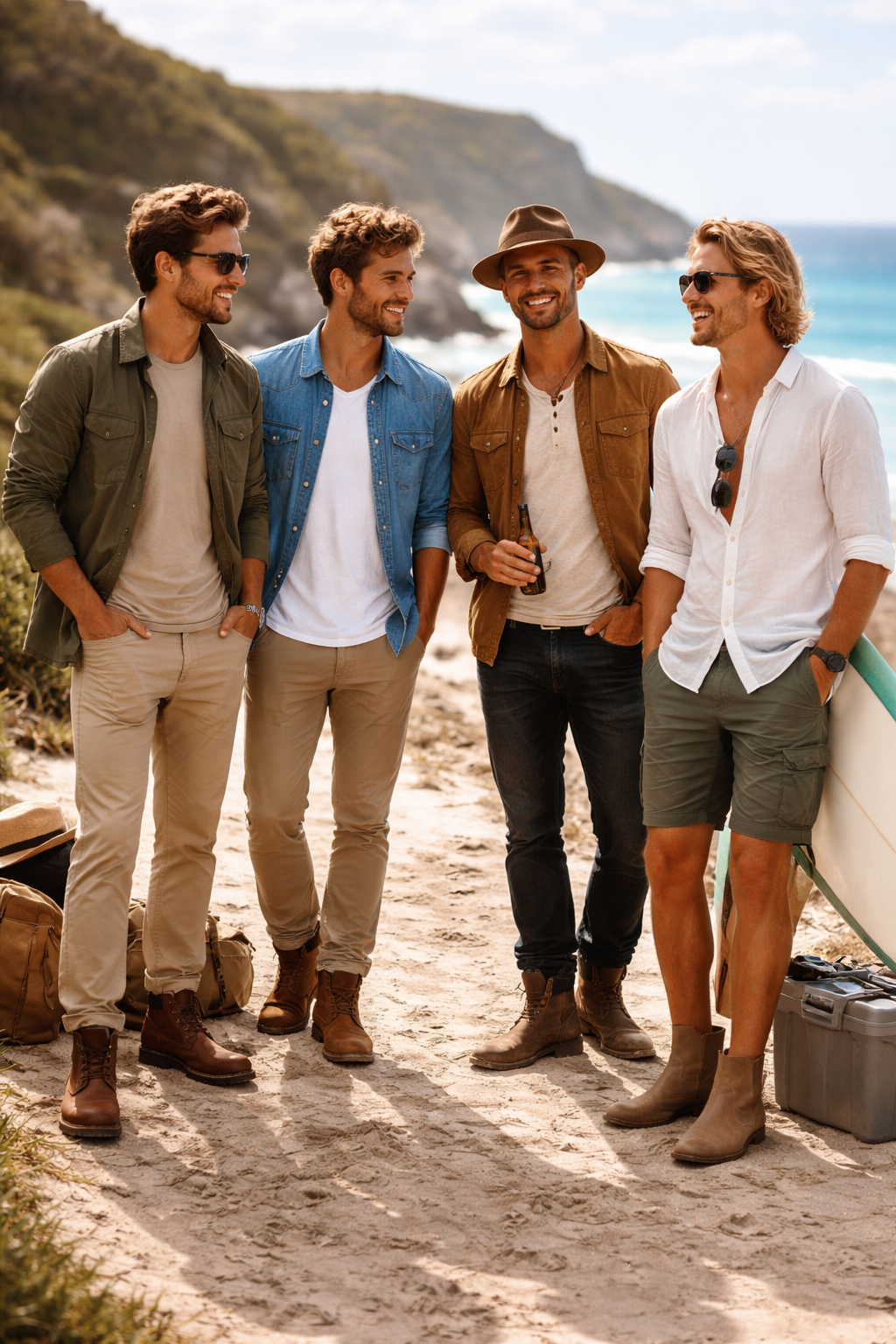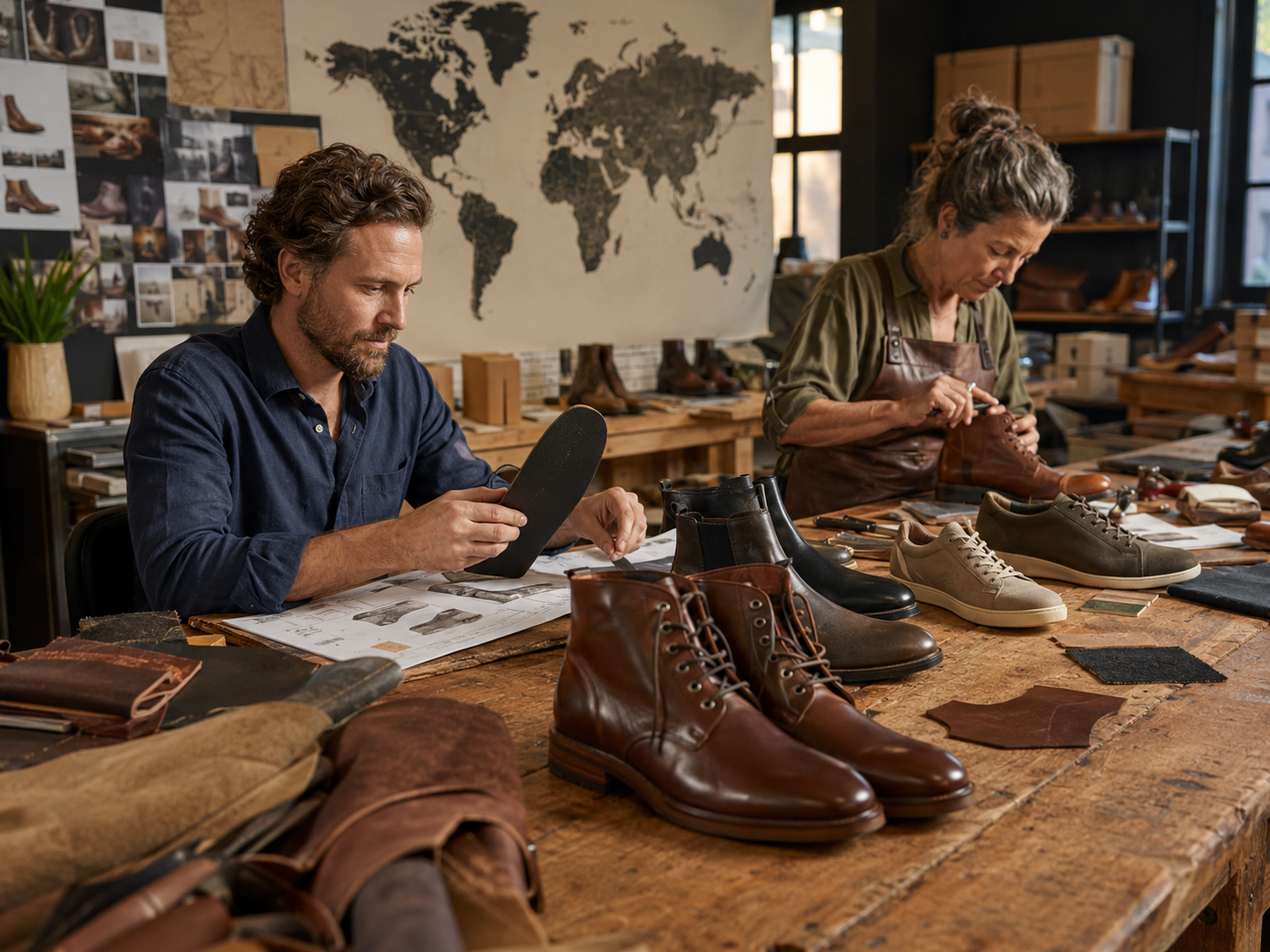
Ecommerce has changed more than the way Australians purchase shoes. It has altered how footwear brands launch products, collect customer feedback, manage inventory and develop long-term relationships with buyers.
Local companies can now reach consumers without building a large national store network. However, online footwear retail also creates a significant challenge: customers cannot physically test the fit before completing a purchase.
Direct-to-Consumer Retail Gives Local Brands More Control
Traditional footwear distribution often involves wholesalers, department stores and independent retailers. Each layer can reduce a brand’s control over pricing, presentation and customer information.
Direct-to-consumer ecommerce allows Australian footwear companies to present a complete brand story through their own websites. They can explain product construction, publish fitting guides, demonstrate styling options and communicate directly with buyers.
This model has supported the visibility of specialized brands such as Rollie Nation, Bared Footwear, FRANKIE4 and Merry People. Each company addresses a particular consumer need, including lightweight travel shoes, supportive fashion footwear or weather-resistant lifestyle products.
Online retail enables these brands to find customers based on needs and interests rather than relying only on physical location.
Fit Remains the Most Important Digital Barrier
Footwear is more difficult to sell online than many other fashion products because sizing varies across brands, designs and materials. Two shoes marked with the same size can feel completely different.
Returns caused by poor fit increase delivery costs and create frustration for both the buyer and the retailer. For this reason, online shoe companies are investing in more detailed size charts, foot-measurement instructions, live chat, customer reviews and personalized fitting recommendations.
Some brands also explain whether a style suits narrow, wide or high-volume feet. This information is valuable because it addresses the actual buying decision rather than offering generic product descriptions.
Customer Reviews Function as Fitting Data
A review that says a shoe “runs small” or “fits a wide forefoot” can be more useful than a simple five-star rating. Australian retailers can improve conversion rates by organizing reviews around comfort, size accuracy, width and intended use.
The retailer also gains product-development insights. If many customers report pressure in the same area, the brand can modify future designs or update its fitting advice.
Ecommerce Data Is Shaping Product Decisions
Australia Post’s eCommerce Industry Report is a useful source for understanding broader online shopping behaviour in Australia. The report examines how consumers shop, what they expect from delivery and how ecommerce patterns are changing.
For footwear businesses, this information can guide decisions about shipping thresholds, delivery communication, return policies and peak sales periods.
Fast delivery remains attractive, but reliability and transparency may be more important. Customers generally want to know when a parcel will arrive, whether returns are simple and how quickly an exchange will be processed.
Physical Retail Still Has a Strategic Role
The growth of ecommerce does not mean stores are becoming irrelevant. Footwear remains a tactile category, and many customers value professional fitting or the ability to compare several sizes.
As a result, local brands are using showrooms, temporary stores and selected retail partners to support their digital operations. A customer may discover a product on social media, try it in a store and later repurchase online.
This hybrid model combines the convenience of ecommerce with the reassurance of physical fitting.
Retention Will Matter More Than Constant Acquisition
Digital advertising is competitive, making it expensive to depend entirely on new customers. Footwear brands can improve profitability by encouraging repeat purchases through reliable sizing, strong service and products designed for multiple occasions.
Once a customer trusts a brand’s fit, the uncertainty surrounding future online orders decreases. In Australia’s evolving footwear market, that trust can become one of the most valuable commercial assets a local brand owns.