Young Australians participate in a cultural environment where trends can cross national borders within hours. A dance created in Seoul, a fashion aesthetic popularised in Copenhagen, a gaming meme from the United States, or a beauty trend launched in Tokyo can quickly appear in schools, universities, workplaces, and shopping centres across Australia.
This does not mean local culture has disappeared. Instead, Australian youth culture increasingly develops through the interaction between global digital communities and local social experiences.
TikTok Accelerates Cultural Exchange
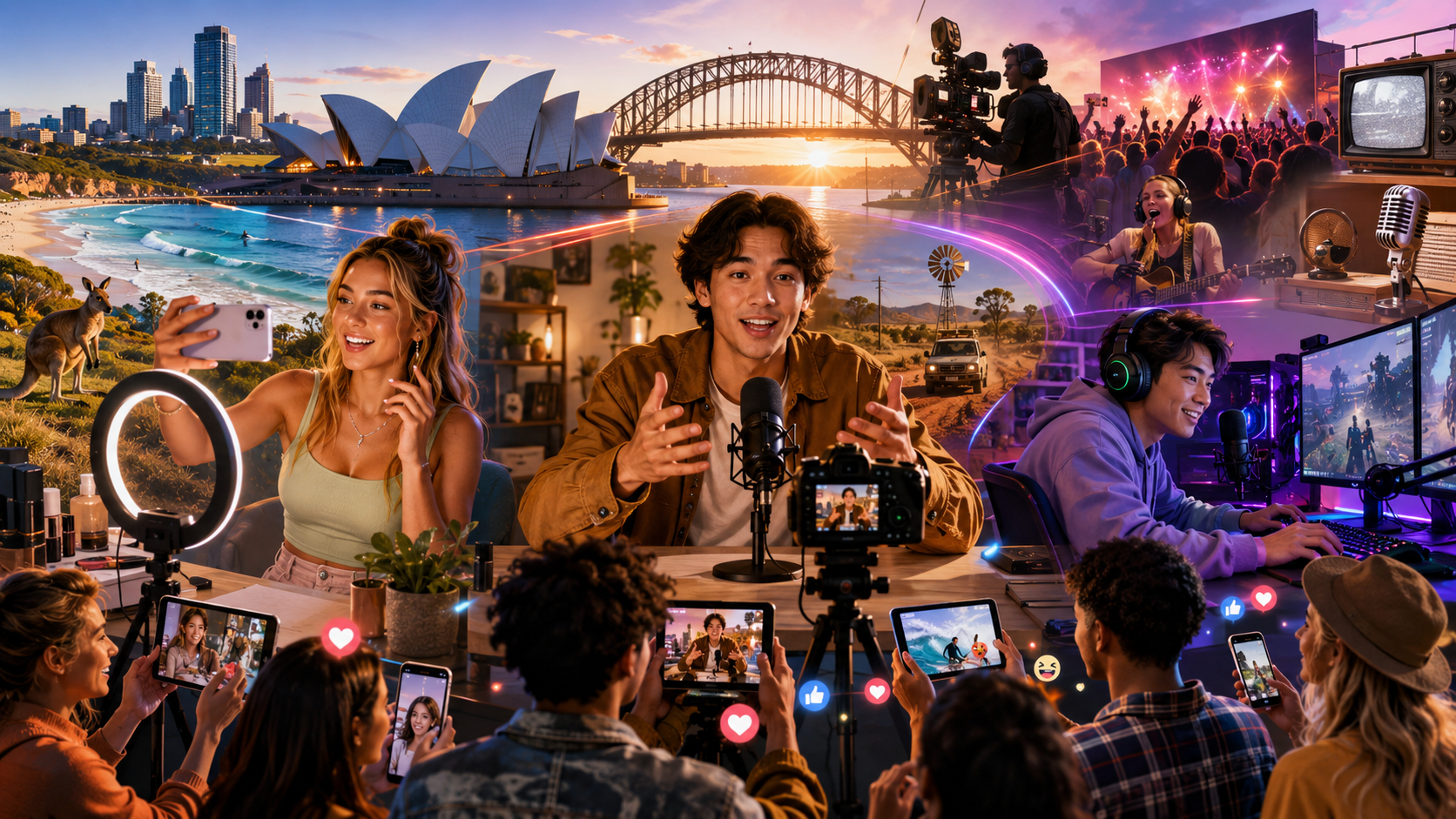
TikTok has shortened the life cycle of trends. Music, slang, recipes, fashion, political commentary, and humour can gain enormous visibility before traditional media organisations recognise them.
For young Australians, the platform functions as entertainment, a search tool, a news source, and a space for identity formation. Users can discover content related to ethnicity, sexuality, disability, regional life, mental health, or creative interests that may not be represented in their immediate surroundings.
However, algorithmic feeds can also create distorted impressions of popularity. Repeated exposure may make a niche trend appear universal, encouraging users to purchase products, copy lifestyles, or adopt opinions without understanding their broader context.
K-Pop and the Power of Organised Fandom
K-pop illustrates how global entertainment now operates through highly connected fan communities. Australian fans do more than listen to music. They organise dance groups, buy albums, attend screenings, translate content, create fan art, and participate in coordinated online campaigns.
The popularity of Korean music also encourages interest in language, food, fashion, television, and travel. This demonstrates how one entertainment industry can influence multiple areas of consumer and cultural behaviour.
Similar patterns can be seen in anime communities, international sports fandoms, fantasy franchises, and global gaming networks.
Research published by Creative Australia offers broader insight into cultural participation, audience behaviour, and the role of arts and creativity in Australian life.
Gaming Creates Cross-Border Communities
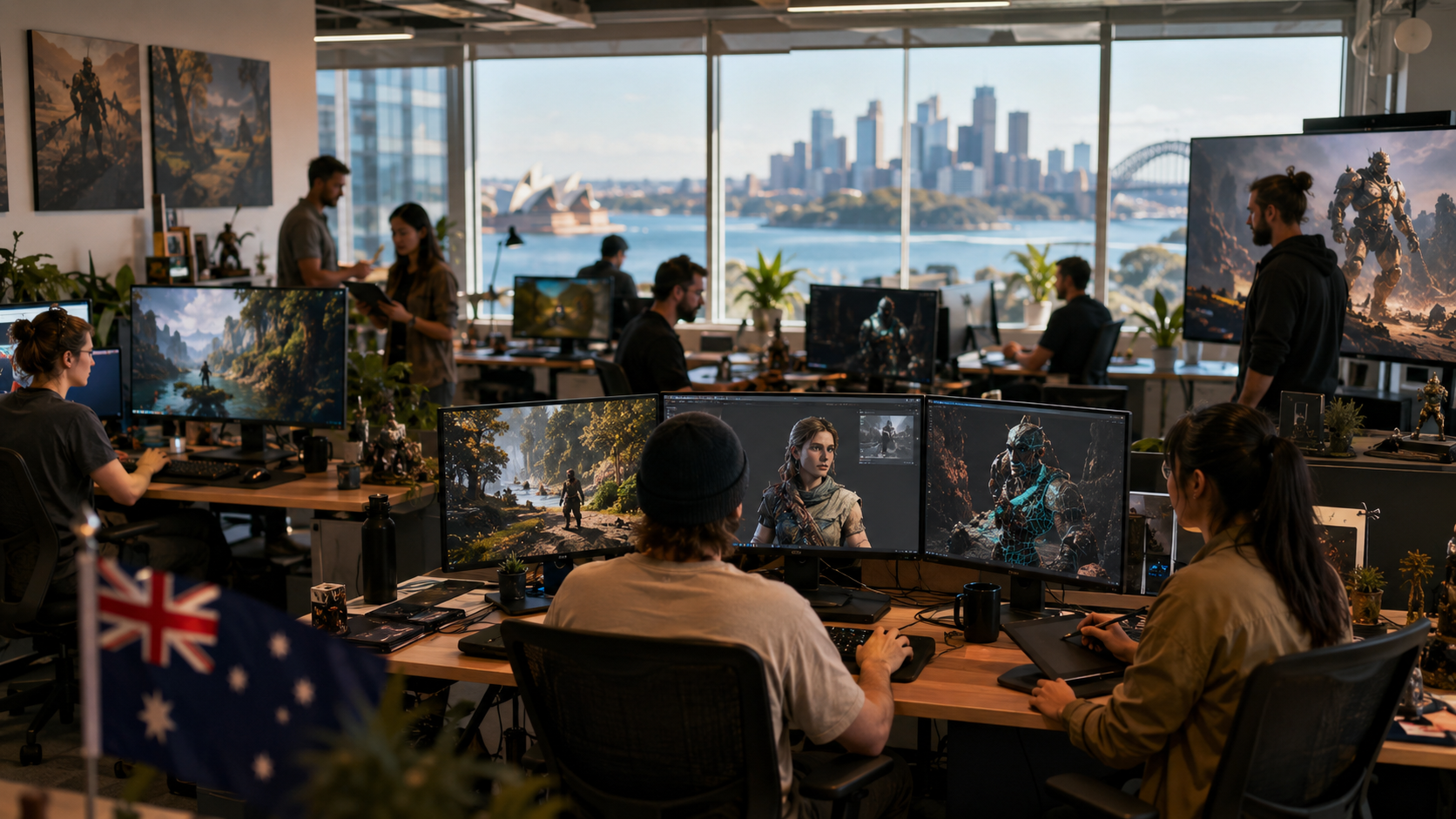
Gaming has become a major social space rather than an isolated hobby. Multiplayer games, livestreams, esports, and Discord communities allow Australians to communicate with players in different countries.
These spaces can develop teamwork, digital literacy, and friendship, particularly for people living in regional areas. They can also expose users to harassment, gambling-style mechanics, excessive spending, and unhealthy patterns of use.
The influence of gaming extends beyond screens. Character designs, soundtracks, online language, and virtual fashion increasingly affect music, clothing, advertising, and humour.
Fashion Trends Become Local Statements
Global aesthetics such as streetwear, minimalist fashion, vintage clothing, gender-neutral styling, and environmentally conscious consumption have all found Australian audiences. Climate and geography often modify these styles. Clothing designed for colder international cities may be reinterpreted for Sydney summers, Melbourne’s changing weather, or coastal lifestyles.
Second-hand shopping and clothing resale have also become cultural statements linked to sustainability and individuality, even as fast-fashion platforms encourage rapid consumption.
Young Australians are not passive recipients of global culture. They select, remix, criticise, and localise what they encounter. The major social question is whether digital participation helps them build informed identities or simply places them inside increasingly powerful commercial systems.