The modern parent faces a conundrum: how to compete with the dopamine hits of video games and social media during holiday time. The answer lies not in removing technology, but in leveraging Australia’s high-tech entertainment infrastructure to blur the lines between gaming and reality.
High-Tech Playgrounds in the City
While many parents dread the “museum fatigue” of quiet halls and glass cases, Australia’s major cultural institutions have undergone a digital revolution. In Canberra, Questacon (The National Science and Technology Centre) is the gold standard for interactive play. The “MiniQ” area is specifically designed for children aged 0-6, proving that even toddlers can grasp basic physics through water play and light experiments.
However, the true innovation is happening in libraries. Melbourne’s The Dock, located at the State Library, hosts free coding workshops for kids. These are not optional extras; they are integrated into the city’s cultural fabric. Parents can combine a visit to a historic reading room with a session on robotics, catering to the modern child’s digital literacy needs.
Wildlife Conservation as Entertainment
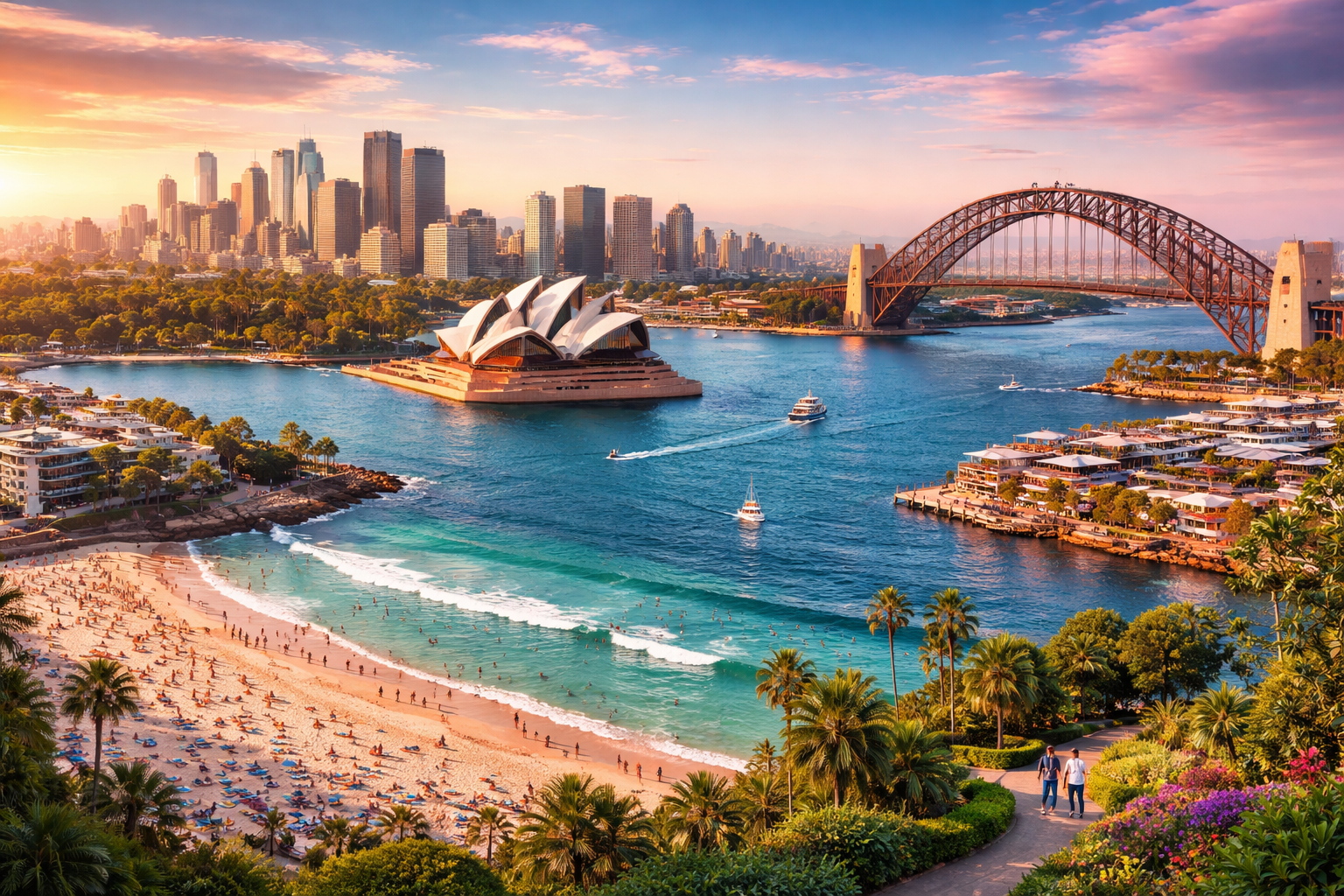
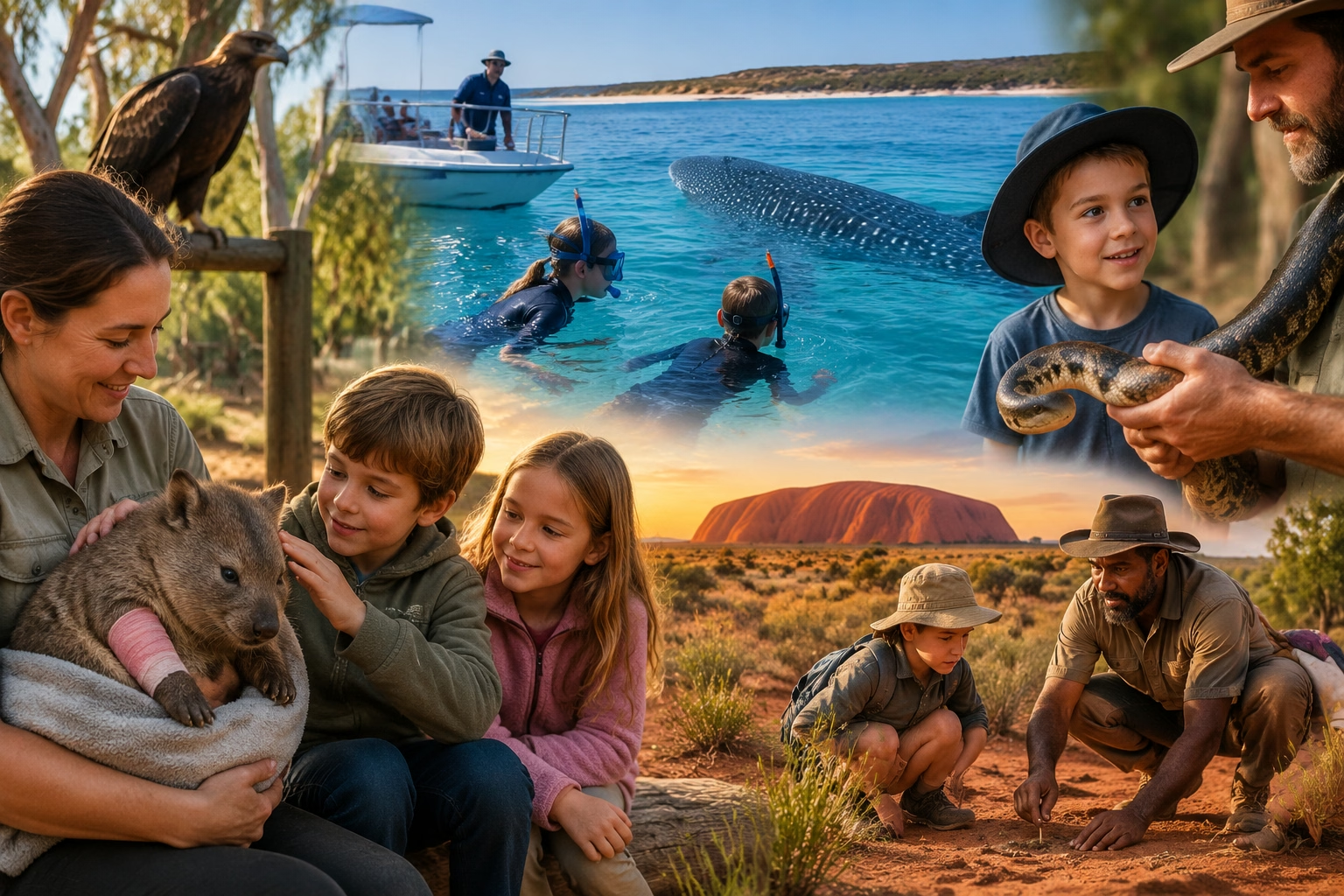
Australia’s zoos have pivoted from mere display to active conservation storytelling. Taronga Zoo in Sydney has mastered the art of “edutainment.” The “Wild Ropes” high-ropes course allows children to traverse suspension bridges overlooking the harbour while learning about the animals below. It is a physical challenge that frames conservation as an adventure rather than a lecture.
In Queensland, the Currumbin Wildlife Sanctuary offers a “Wild Island” adventure playground. This isn’t just slides and swings; it is an educational space designed to replicate the sensory experience of the Australian bush. Children engage in free play while learning about habitat preservation through interactive signage and ranger talks.
The Economics of Family Entertainment
The shift towards educational entertainment is driven by a demand for “quality time.” A 2023 report by Tourism Research Australia highlighted that “family group travel” accounts for a significant portion of domestic overnight trips, with “visiting a museum or art gallery” listed as a top activity for this demographic.
Parents are increasingly savvy; they want their dollars to fund experiences that add value to their child’s development. Venues like Sea Life Sydney Aquarium have responded with “Behind the Scenes” tours where kids can see the quarantine areas and learn about marine veterinary science.