A Landscape Older Than the Pyramids
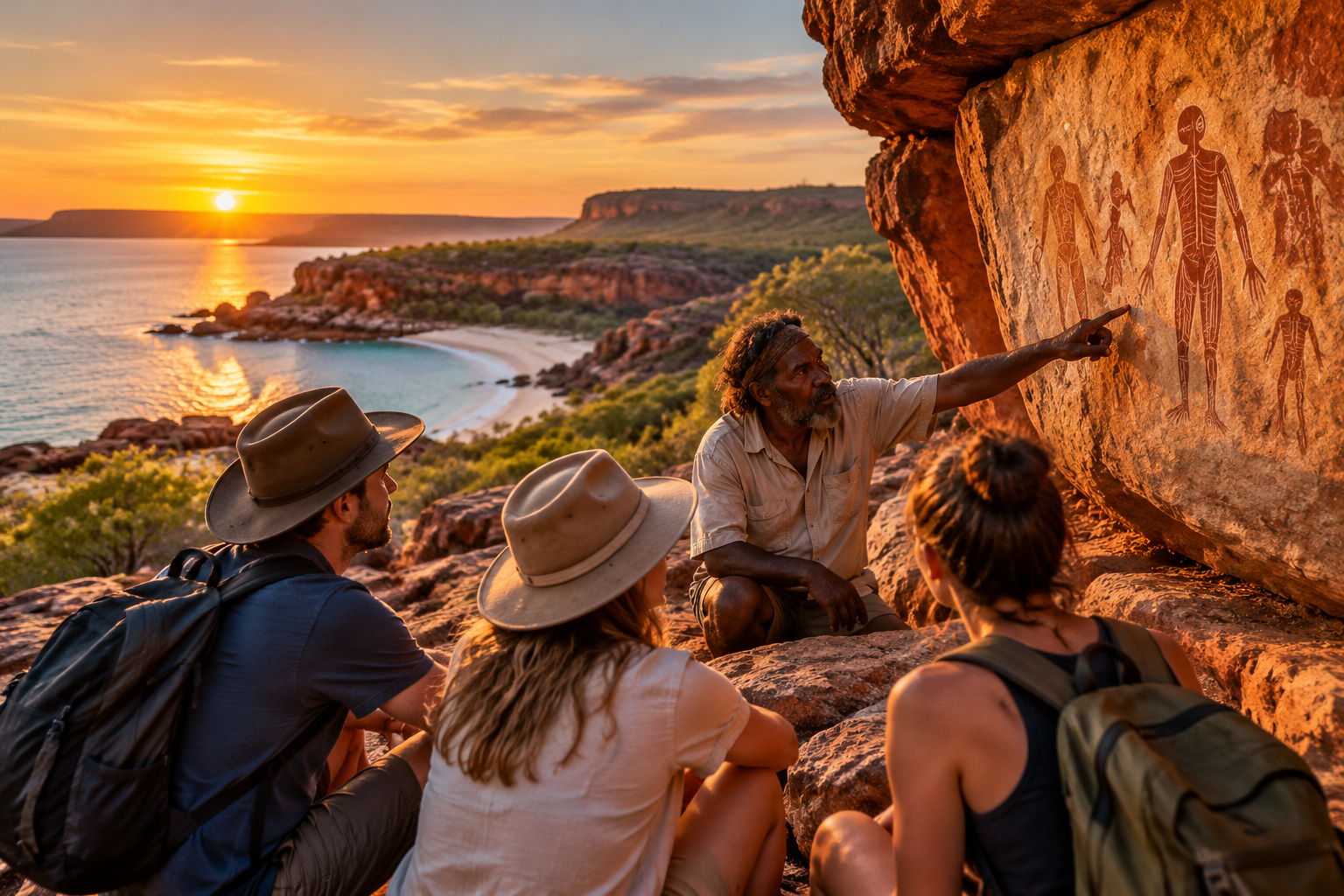
Scattered among the heaping red rock hills of the Pilbara lies a collection of Indigenous rock carvings that predates the Pyramids of Giza by tens of thousands of years. Murujuga Cultural Landscape, within Murujuga National Park, earned UNESCO World Heritage status in 2025 after decades of campaigning.
The site blankets more than 1,000 square miles across the Burrup Peninsula and 42 islands of the Dampier Archipelago. It contains more than one million petroglyphs, some dating back 50,000 years, depicting human figures, native mammals, and long-extinct species including the Tasmanian tiger and flat-tailed kangaroo.
The World’s Oldest Portrait of a Human Face
Among Murujuga’s countless engravings lies what experts believe is the earliest known depiction of the human face — a discovery that has profound implications for understanding the origins of artistic expression. The carvings also record environmental changes across millennia, from rising sea levels to the extinction of Australia’s megafauna.
The site is only the second in Australia to be recognised by UNESCO specifically for its Indigenous cultural values, following Victoria’s Budj Bim Cultural Landscape in 2019.
Reaching the Sacred Terrain
Getting to Murujuga requires commitment. Broome is the nearest city with international flights, followed by a nine-hour drive. But for those who make the journey, the reward is rare access to sacred terrain that remains a living cultural and spiritual record for the Ngarda-Ngarli people.
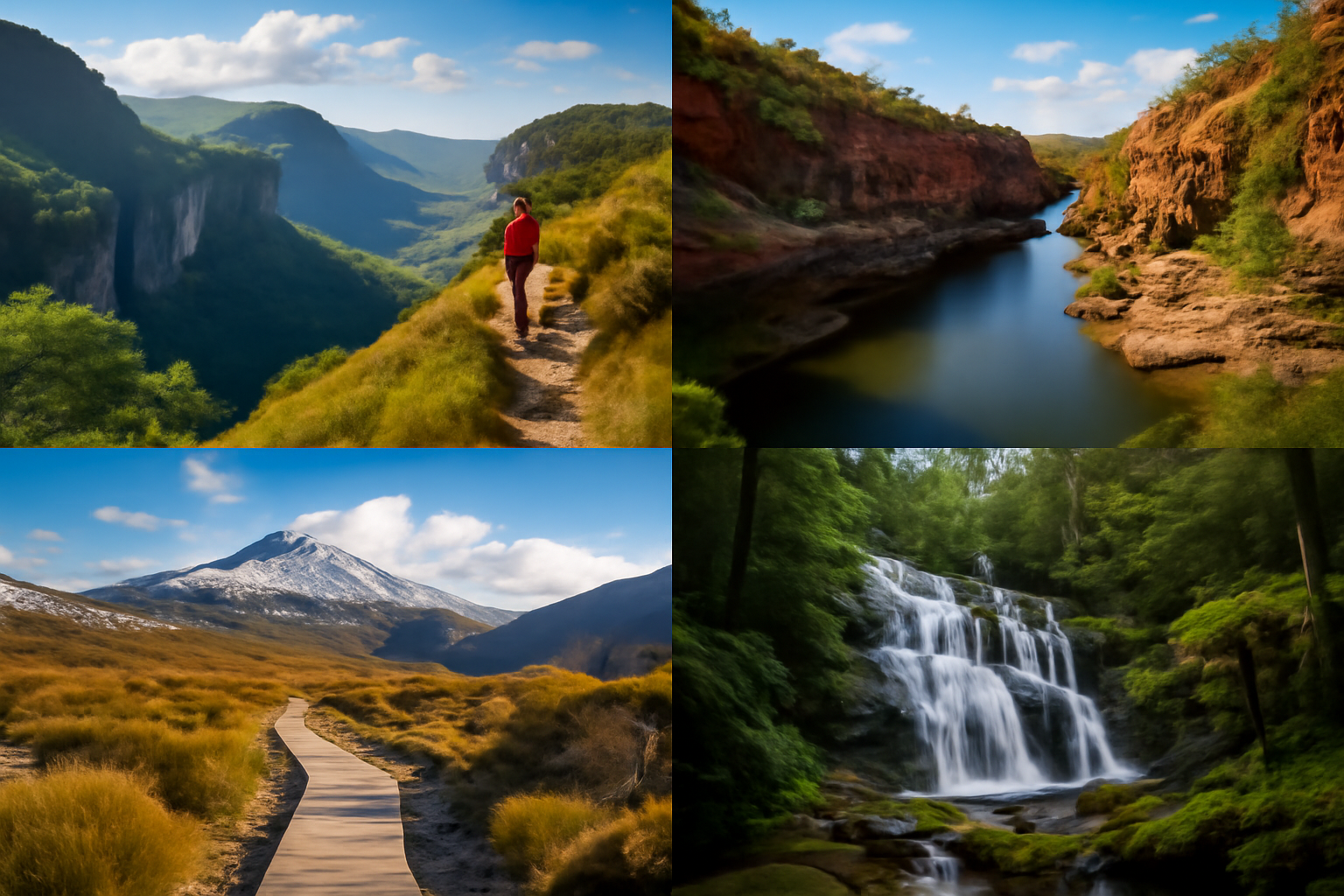
The 700-metre Nganjarli Trail winds among ancient rock piles, revealing extraordinary petroglyphs and shell middens. The engravings depict human figures alongside an extraordinary variety of animals — marine and land species, and creatures no longer found in the region.
A Living Record, Not a Museum Piece
What sets Murujuga apart from other archaeological sites is its living significance. For Indigenous communities and Australians alike, the art remains a living cultural and spiritual record — not a relic of a bygone era but a continuing expression of connection to Country.
The Murujuga Aboriginal Corporation privately owns the national park and jointly manages it with WA’s Department of Biodiversity, Conservation and Attractions, ensuring that cultural protocols guide every aspect of visitor access.