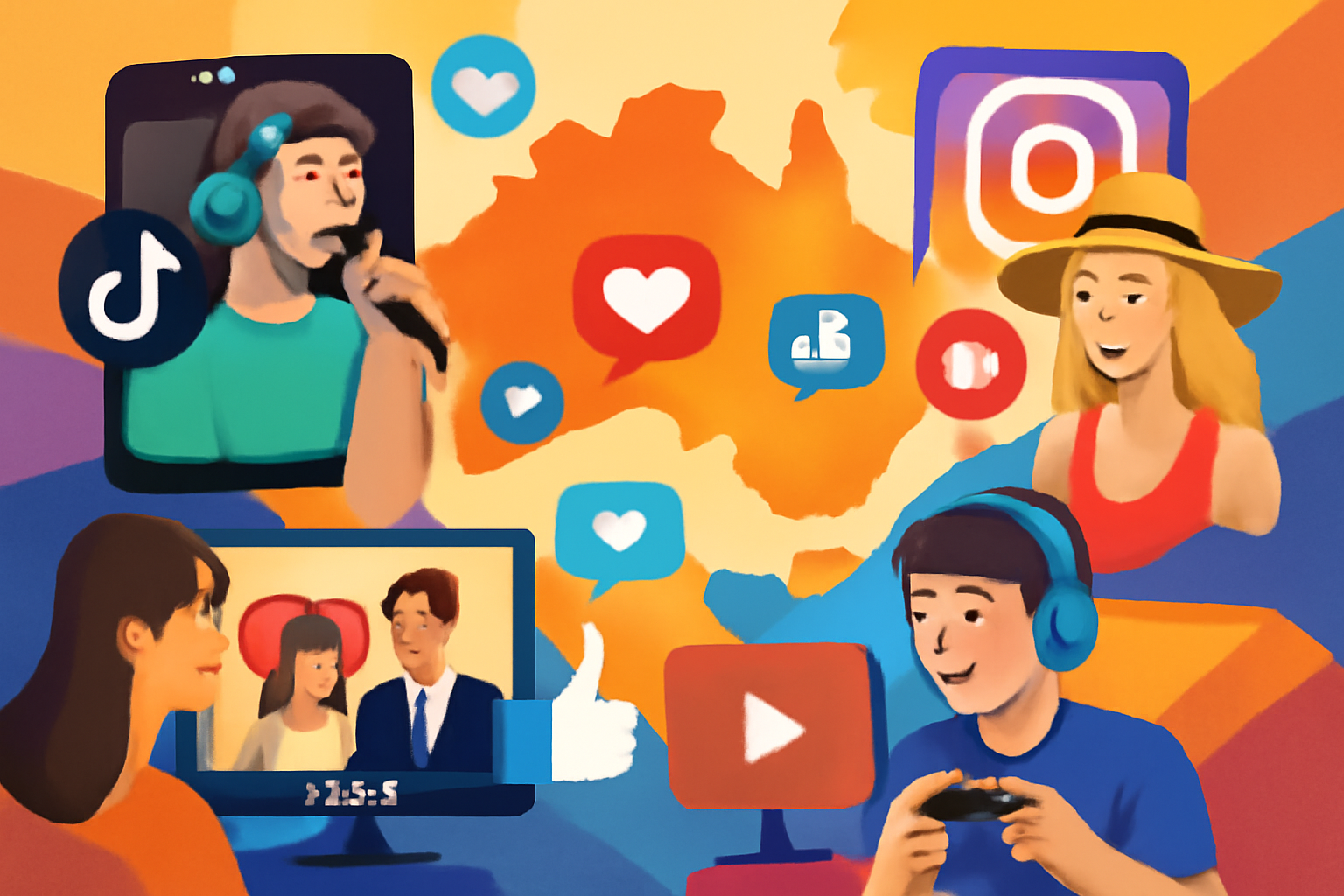
In recent years, social media has emerged as a driving force in the entertainment industry, influencing everything from music and movies to television and viral trends. In Australia, the integration of social media into daily life has dramatically altered the way people consume and engage with entertainment content. Through platforms like Instagram, TikTok, and YouTube, entertainment trends in Australia are no longer dictated solely by mainstream media but by user-generated content and viral phenomena.
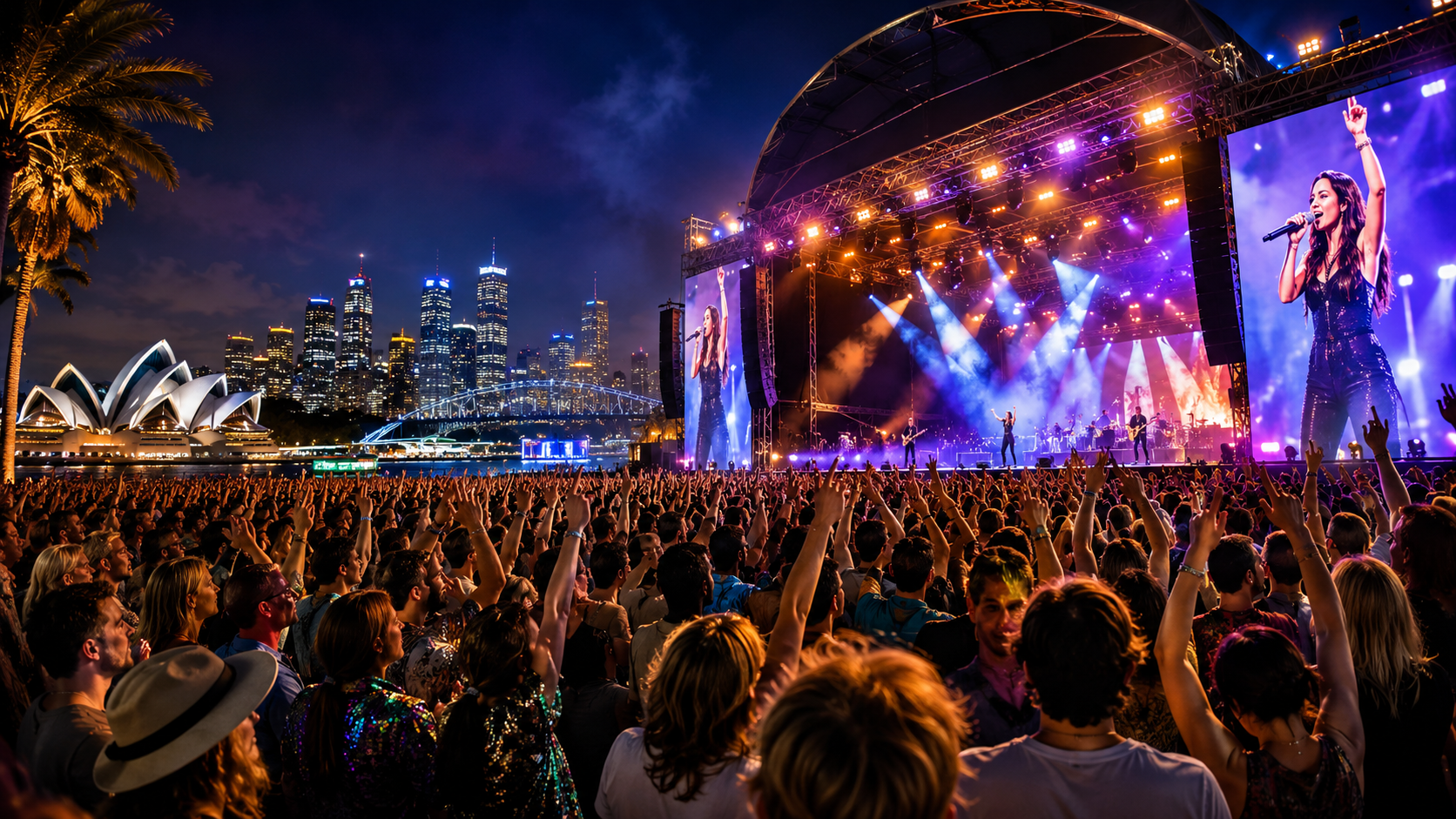
A key way social media has influenced Australian entertainment is by accelerating the rise of viral trends. It is now possible for a video, meme, or song to become a national sensation almost overnight. For instance, TikTok has played a pivotal role in propelling Australian music artists into the global spotlight. Songs that trend on TikTok are often heard on the radio or in commercials just weeks after they go viral. Australian artists such as Masked Wolf, whose track “Astronaut In The Ocean” gained widespread popularity on TikTok, have benefited greatly from this new wave of exposure.
Social media has also made it easier for Australian content creators to interact directly with their audiences. Influencers and entertainers now have the ability to share personal moments, showcase their talents, and engage in direct conversations with fans. This level of accessibility has fostered a more intimate and loyal relationship between content creators and their followers. Australian influencers like Tammy Hembrow and Sarah’s Day, for example, have utilized social media platforms to build personal brands that transcend traditional entertainment industries, launching product lines, fitness programs, and more.
In addition to amplifying trends, social media platforms provide a space for niche entertainment to thrive. Platforms such as YouTube and Instagram have given rise to niche content creators who produce everything from ASMR videos to gaming livestreams. These genres may have struggled to gain mainstream exposure in traditional media but have found loyal followings online. In Australia, creators such as The Inspired Unemployed and Lannon Eacott (LazarBeam) have attracted millions of subscribers, turning their online presence into profitable ventures.
Reality television in Australia has also evolved in response to social media’s influence. Programs like “The Block” and “Australia’s Got Talent” have embraced social media as a means to increase viewer engagement. Fans can vote, comment, and share their thoughts in real time, making them feel like a part of the experience. The interactive nature of these platforms has not only expanded the viewer base but also helped networks gauge audience reactions and shape future seasons.
Another critical aspect of social media’s impact is the democratization of entertainment. Where traditional media often featured a narrow spectrum of voices and perspectives, social media platforms have allowed for a broader range of Australian talent to be seen and heard. Whether it’s independent filmmakers or up-and-coming musicians, social media offers a level playing field where anyone can achieve recognition based on the quality of their content.
Furthermore, social media has been instrumental in shifting the cultural conversation around entertainment. Platforms like Twitter and Facebook allow fans to discuss, critique, and share their opinions on everything from plotlines in TV shows to the political implications of a new movie. This kind of immediate feedback has given entertainment creators a valuable insight into their audience’s preferences and has made the entertainment industry more responsive to its fanbase.
The power of social media in driving entertainment trends is undeniable in Australia. As platforms continue to evolve, their influence on the entertainment landscape will only grow, leading to more innovative and diverse ways for Australians to enjoy and interact with entertainment.