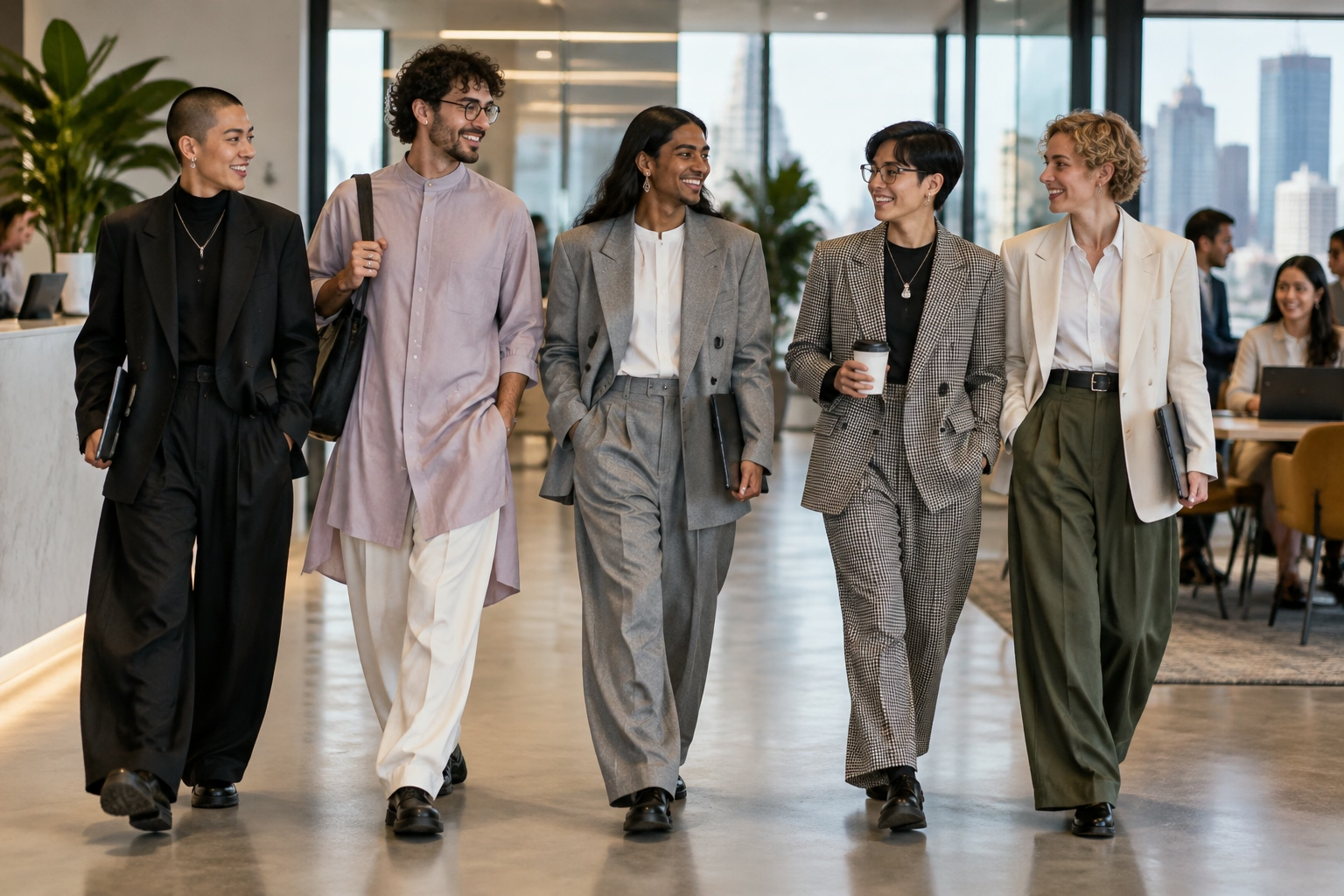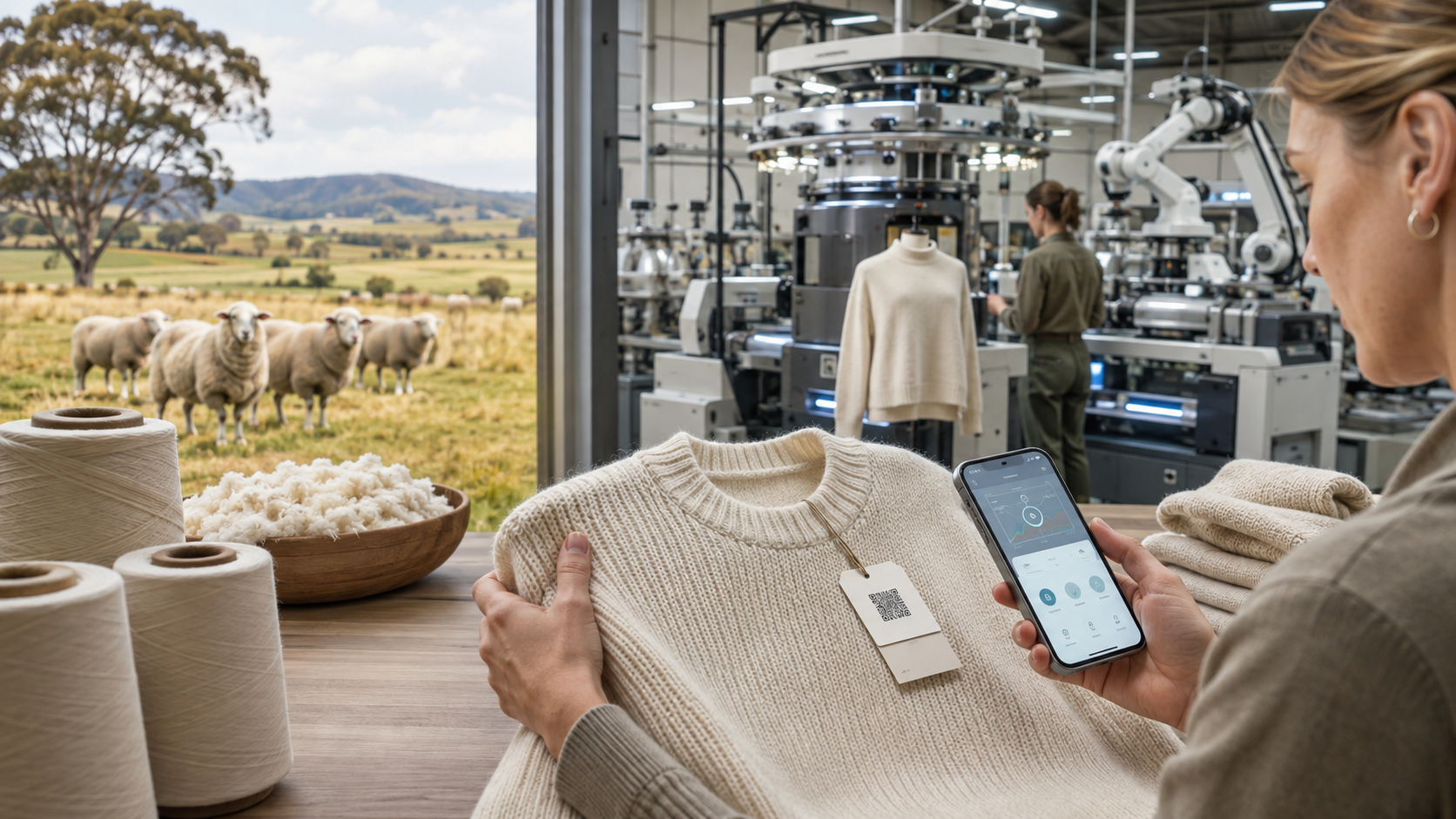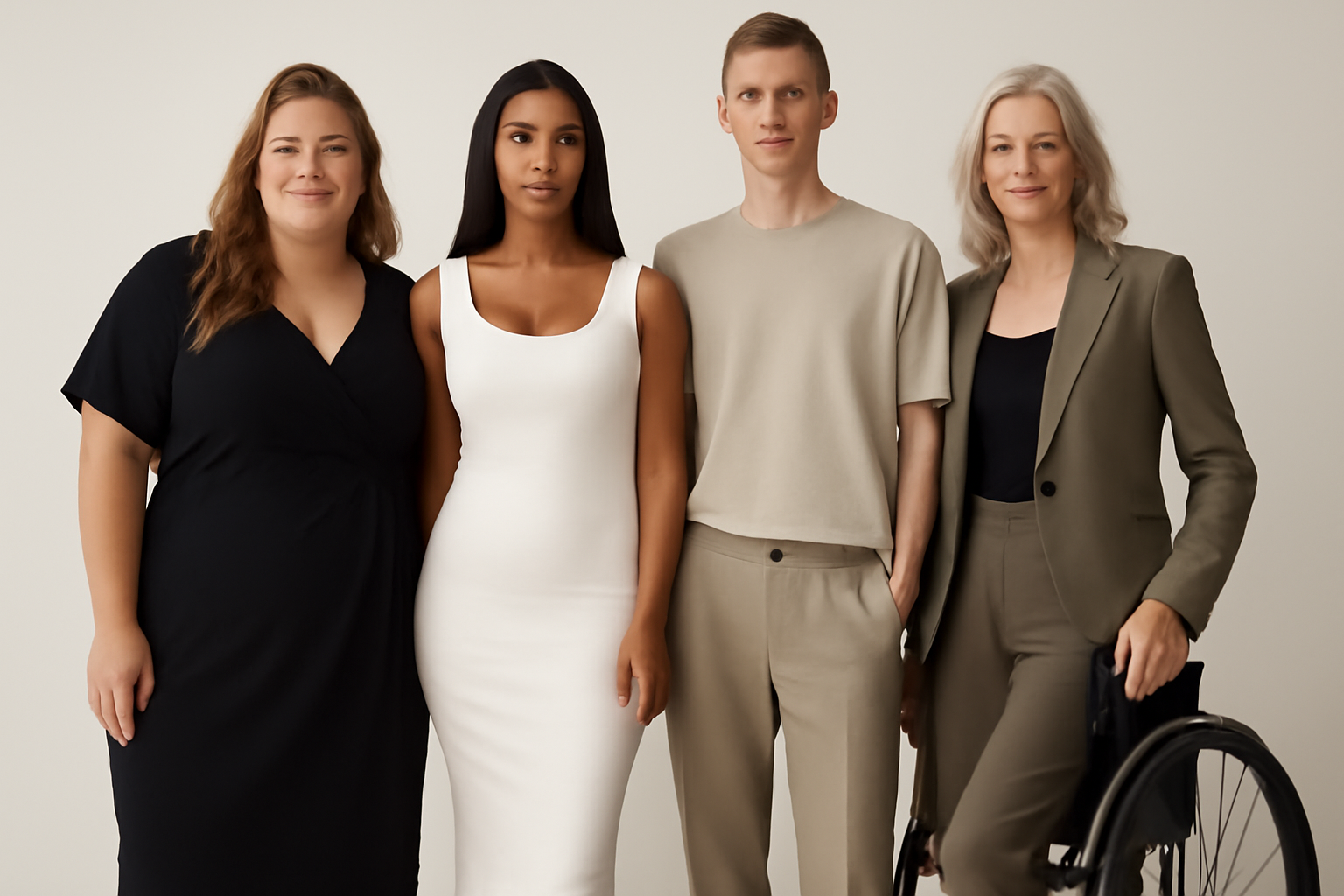
The Australian fashion industry has long been recognized for its stunning creations, but it has also faced criticism for its lack of inclusivity and diversity. For years, traditional beauty standards dominated the runway and advertising campaigns, often leaving large segments of the population feeling excluded. However, in recent years, the Australian fashion scene has been undergoing a transformation, embracing inclusivity in all its forms, from body types to cultural backgrounds, gender identities, and beyond.
One of the most noticeable shifts has been the growing representation of plus-size models and clothing. Brands such as “Teejay” and “City Chic” are leading the way by designing clothing lines specifically for curvier women, ensuring that fashion is accessible to all body types. These brands are not only catering to a wider demographic but also promoting body positivity by encouraging women to embrace their natural shapes, no matter their size.
The rise of ethnic diversity in the Australian fashion industry is another significant development. Australian designers are increasingly celebrating the multicultural makeup of the country, and this is reflected in their choice of models and collections. Brands like “Romance Was Born” and “Sass & Bide” have consistently featured models from various ethnic backgrounds, embracing the global influence that informs Australian fashion. This celebration of cultural diversity not only makes the fashion industry more representative but also enriches the designs and styles that emerge.
In recent years, gender inclusivity has also gained momentum in Australia’s fashion industry. Traditionally, fashion has been divided into menswear and womenswear, but many Australian designers are challenging this binary approach. Labels like “Lover” and “Kaitlyn Ham” are producing collections that transcend traditional gender norms, offering clothing options that cater to people of all gender identities. This move towards gender-neutral fashion is allowing more people to express their unique selves without being confined to the constraints of gendered clothing.
Another area of focus is the inclusion of older individuals in the fashion world. Historically, fashion has been dominated by young, thin models, but Australian brands are now beginning to showcase older individuals in their campaigns and on the runway. Designers like “Kaitlyn Power” and “Azzedine Alaïa” are using older models to communicate that fashion is for everyone, regardless of age. This shift is particularly important as it promotes the idea that beauty and style do not diminish with age, encouraging people of all generations to feel confident in their fashion choices.
Moreover, the issue of accessibility for people with disabilities has become a crucial topic in the fashion industry. Many designers are taking steps to make their collections more inclusive by considering the needs of individuals with physical disabilities. This includes offering adaptive clothing lines and designing garments that are easy to wear and functional, without compromising on style. This movement is helping to ensure that fashion is not just about aesthetics but also about making clothing accessible and practical for everyone.
Social media has played a significant role in amplifying the voices of marginalized communities and challenging the traditional norms of the fashion industry. Platforms like Instagram, where users share their personal fashion styles, have allowed individuals from all backgrounds to showcase their creativity and challenge conventional standards of beauty. This democratization of fashion has had a profound impact on Australian designers, who are now more aware of the importance of representation and inclusivity in their work.
As Australian fashion continues to evolve, the emphasis on inclusivity and diversity is becoming more pronounced. The future of Australian fashion lies in its ability to represent the full spectrum of identities, backgrounds, and body types. By embracing these values, the Australian fashion industry is helping to create a more inclusive, accepting, and empowering environment for all individuals.