Australia’s public health system is built on the belief that preventing illness is more effective and less costly than treating it later. This philosophy shapes many of the country’s policies, from national strategies to local community projects. Government agencies, health professionals, and non-government organisations work together to promote healthier behaviours and environments. The long-term goal is to reduce the burden of both infectious and non-communicable diseases, improve quality of life, and maintain a sustainable healthcare system for future generations.
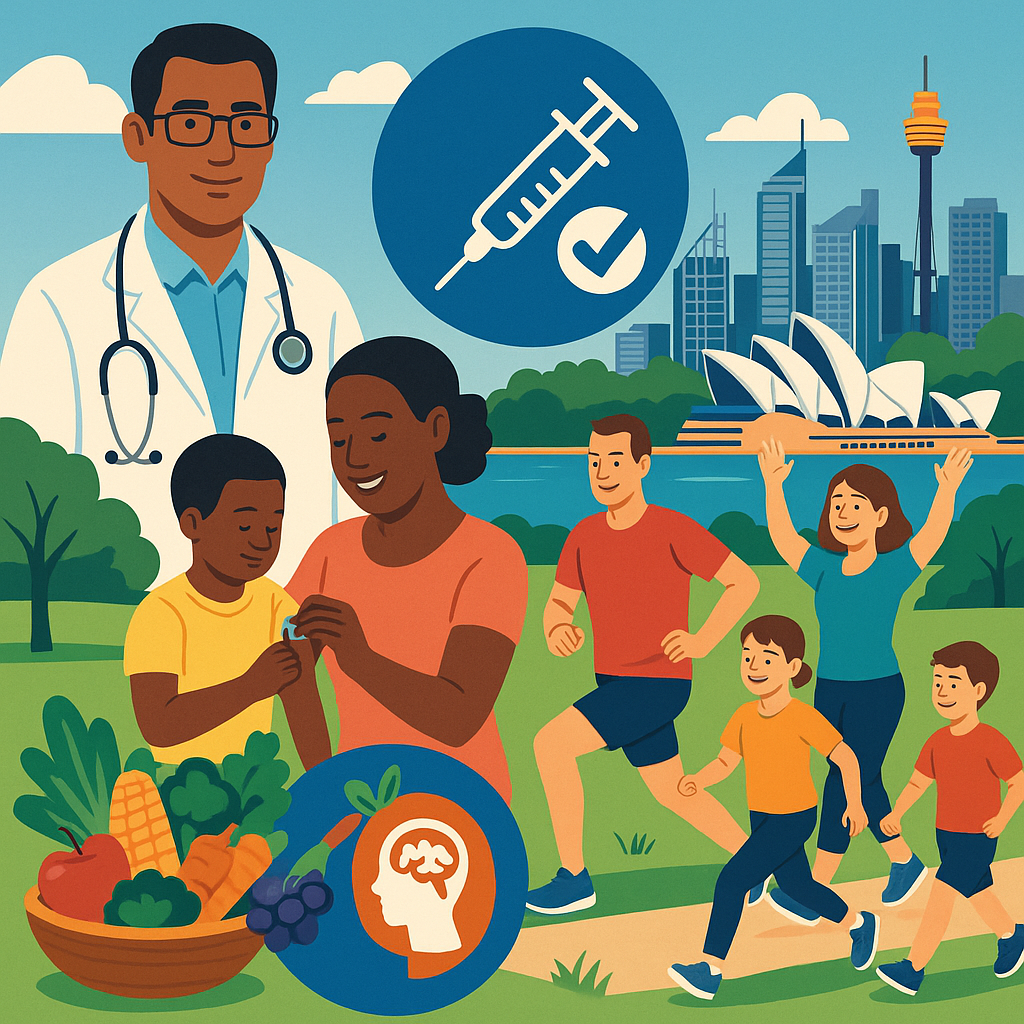
Immunisation programs are a central feature of this strategy. The National Immunisation Program offers vaccines at no cost to protect against serious diseases that can spread quickly in the community. High vaccination rates contribute to herd immunity, helping to protect people who cannot be vaccinated for medical reasons. Public awareness campaigns explain why immunisation matters, how vaccines are tested for safety, and what side effects to expect. By encouraging open discussion and offering clear, evidence-based information, health authorities aim to counter myths that circulate through social media and other informal channels.
Beyond infectious disease control, Australian public health policy targets major risk factors for chronic disease. Campaigns focus on reducing tobacco use, harmful alcohol consumption, and obesity. Television advertisements, social media content, billboards, and community workshops all reinforce messages about staying active, eating more fruit and vegetables, and limiting processed foods high in sugar, salt, and fat. Policies support these messages through measures such as smoke-free workplaces, restrictions on advertising unhealthy products to children, and clear nutritional labelling on packaged foods. The intention is to change not only individual behaviour but also the social and commercial environments that influence daily choices.
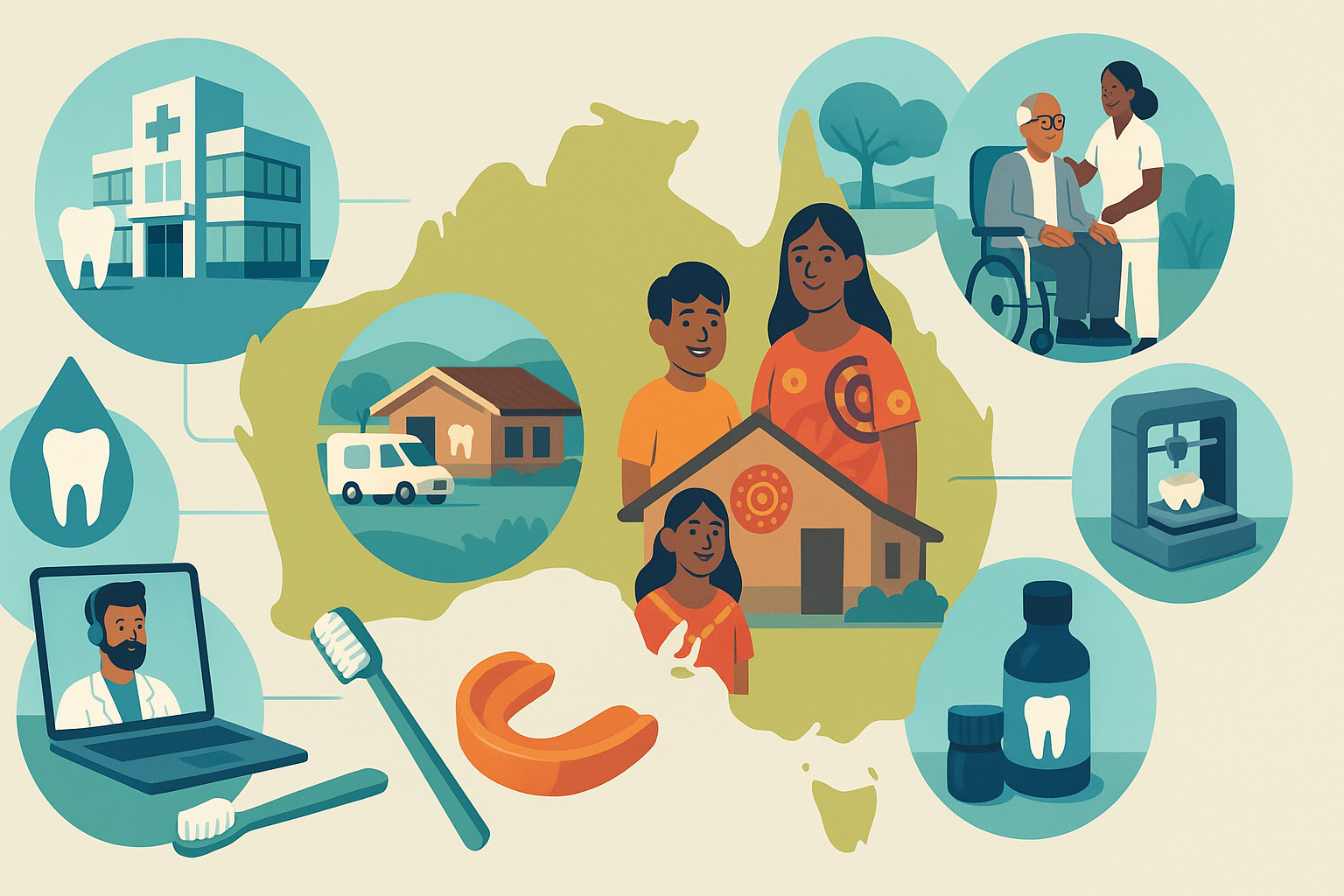
Equity is an important consideration in the design of these policies. Health outcomes vary significantly between urban and remote areas, and between different social groups. Aboriginal and Torres Strait Islander peoples, for example, experience higher rates of many preventable diseases. In response, there are targeted programs co-developed with Indigenous communities to support culturally safe healthcare, screening, and prevention initiatives. Similarly, services are adapted for people with low income, refugees, older adults, and those living with disability, recognising that barriers to care can prevent people from acting on health information even when they are aware of it.
Public engagement and communication underpin all of these efforts. Governments use websites, hotlines, mobile apps, and social media channels to share trustworthy information about disease prevention. During periods of heightened health risk, such as a severe flu season or an emerging outbreak, public briefings and targeted messaging help people understand practical steps like getting vaccinated, washing hands, wearing masks, or staying home when unwell. By embedding prevention into policy, communication, and community life, Australia works to build a culture where awareness and proactive health choices are part of everyday living.