Queensland offers one of the most accessible ways to explore the Great Barrier Reef, with several coastal hubs acting as launch pads for marine adventures. Rather than focusing on only one destination, travelers can move between cities and towns along the coastline, each revealing a new angle on the reef and its accompanying sea views. This creates a flexible journey that can be tailored to different budgets, interests, and time frames.
In the tropical north, Cairns stands out as a practical base with a wide selection of reef tours. The city’s waterfront precinct features a lagoon pool, walking paths, and sunset viewpoints over the harbor. From here, reef vessels depart to locations ranging from shallow coral gardens suitable for beginners to deeper outer reef sites for more confident snorkelers and certified divers. Many tours include glass-bottom boats or semi-submersibles, giving non-swimmers the chance to see marine life through underwater windows.
Moving north, Port Douglas caters to travelers looking for a more refined coastal feel. With its combination of luxury resorts, local markets, and beachfront cafes, it offers a slower pace than Cairns. Reef trips from Port Douglas often visit sites on the Agincourt Ribbon Reefs, known for clear water and vibrant coral walls. Operators typically provide marine biologists on board who give briefings about coral ecology, climate challenges, and ways visitors can minimize their environmental footprint while enjoying the reef.
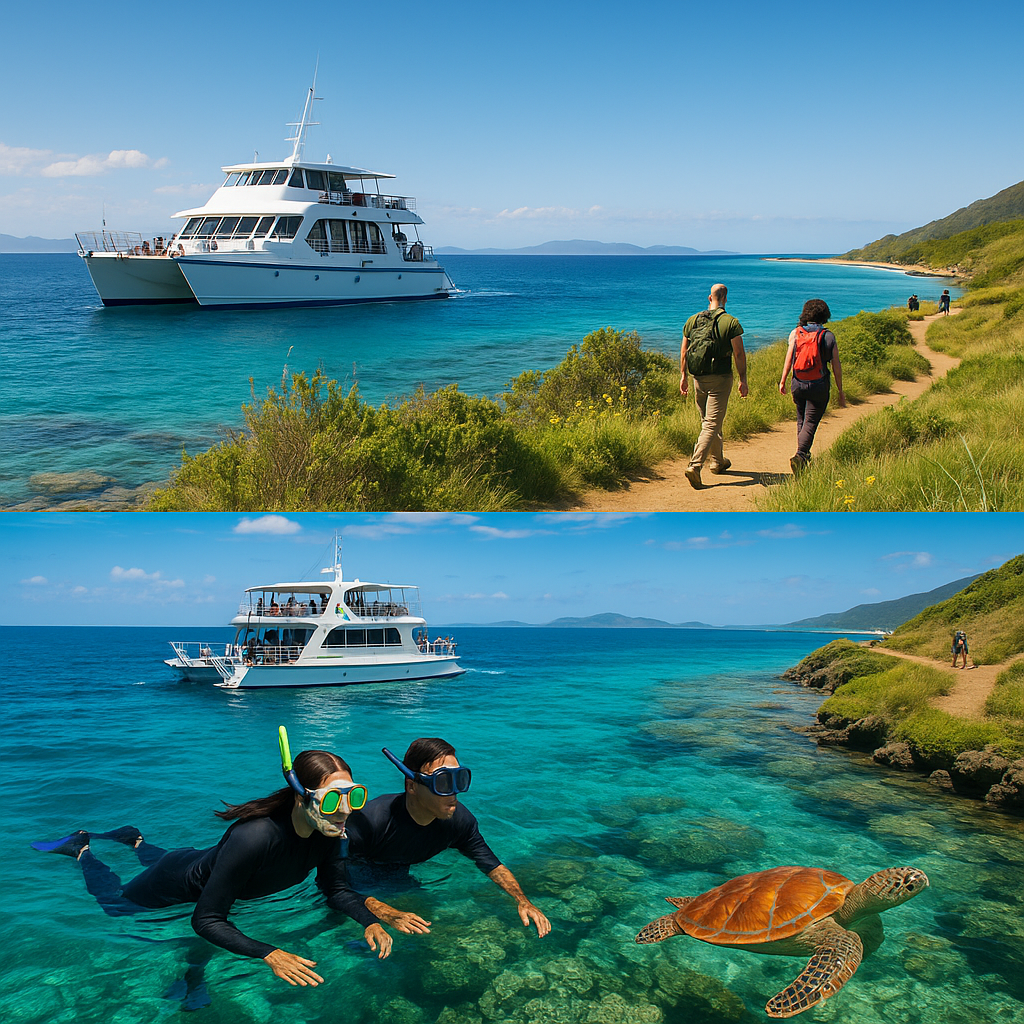
Further down the coast, Townsville and nearby Magnetic Island connect guests to both reef and island scenery. From Townsville, day trips travel to Palm Island Group or wreck dive sites such as the SS Yongala, considered one of the world’s top wreck dives due to its rich marine life. Magnetic Island, accessible by ferry, offers hiking trails with viewpoints over the Coral Sea, secluded bays for swimming, and the chance to spot koalas in the wild while still staying close to reef experiences.
In the central section of the coast, the Whitsundays deliver a celebrated combination of reef and island landscapes. Airlie Beach serves as the primary jumping-off point, with marinas full of sailing vessels. Multi-day sailing tours let visitors sleep onboard under the stars, waking up to calm anchorages and early-morning snorkeling sessions. Those preferring land-based comfort can stay in Airlie Beach or on island resorts and take shorter day excursions to nearby reefs.
Moving towards southern Queensland, destinations such as Bundaberg, 1770/Agnes Water, and Hervey Bay provide access to the Southern Great Barrier Reef. Here, coral cays like Lady Musgrave Island and Lady Elliot Island showcase exceptional water clarity and healthy coral systems. Day tours often combine reef snorkeling with island walks, where guides explain bird nesting habits, turtle conservation projects, and the importance of these cays as safe havens for marine life.
Across all these hubs, Queensland’s coastal cities share some common strengths: well-developed tourism infrastructure, a wide choice of accommodation, and numerous ocean-view dining options. Travelers can enjoy fresh seafood overlooking marinas, stroll along coastal boardwalks at sunrise, and later board a boat heading toward coral-rich waters. By stringing together multiple stops along the Queensland coast, visitors can experience the Great Barrier Reef in a variety of forms, from bustling tourist centers to quieter, nature-focused getaways.