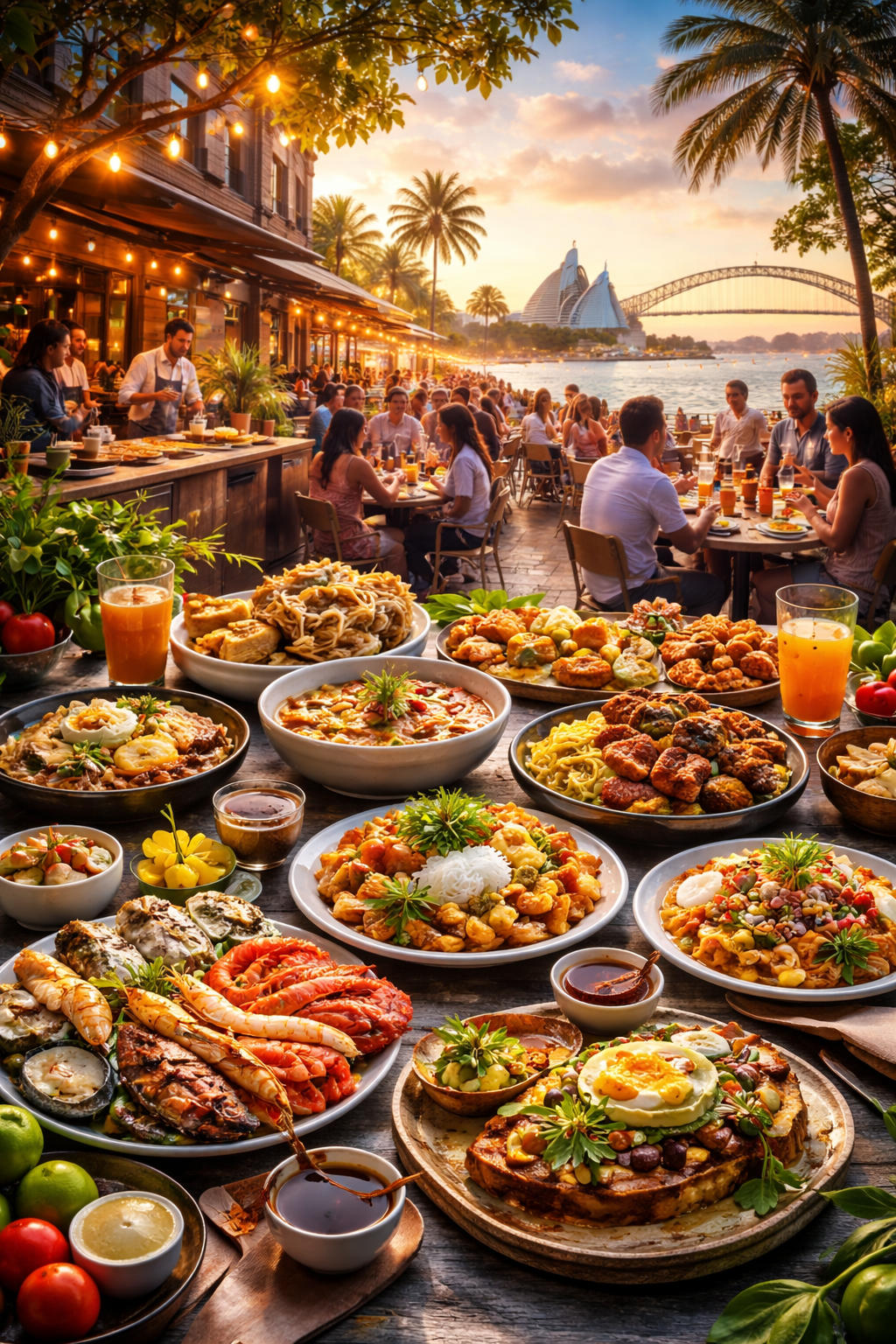
To explore Australian cuisine at festivals is to travel the continent without leaving the crowd. Australia’s food identity shifts by state, climate, and local produce, and cultural events frequently act as “showrooms” for these regional tastes. From coastal seafood to inland barbecue, festivals provide a concentrated snapshot of what each place grows, cooks, and celebrates.
Along the coasts, seafood is often the star. In festival precincts near harbors and beaches, stalls commonly serve fish and chips, grilled prawns, calamari, and oyster tasting plates. The appeal isn’t only freshness; it’s the casual style—seafood prepared simply, with lemon, pepper, and sauces that reflect modern Australian preferences for clean flavors. Pair that with local white wine or a crisp craft lager, and you’ve got a typical coastal festival meal that feels both relaxed and distinctly local.
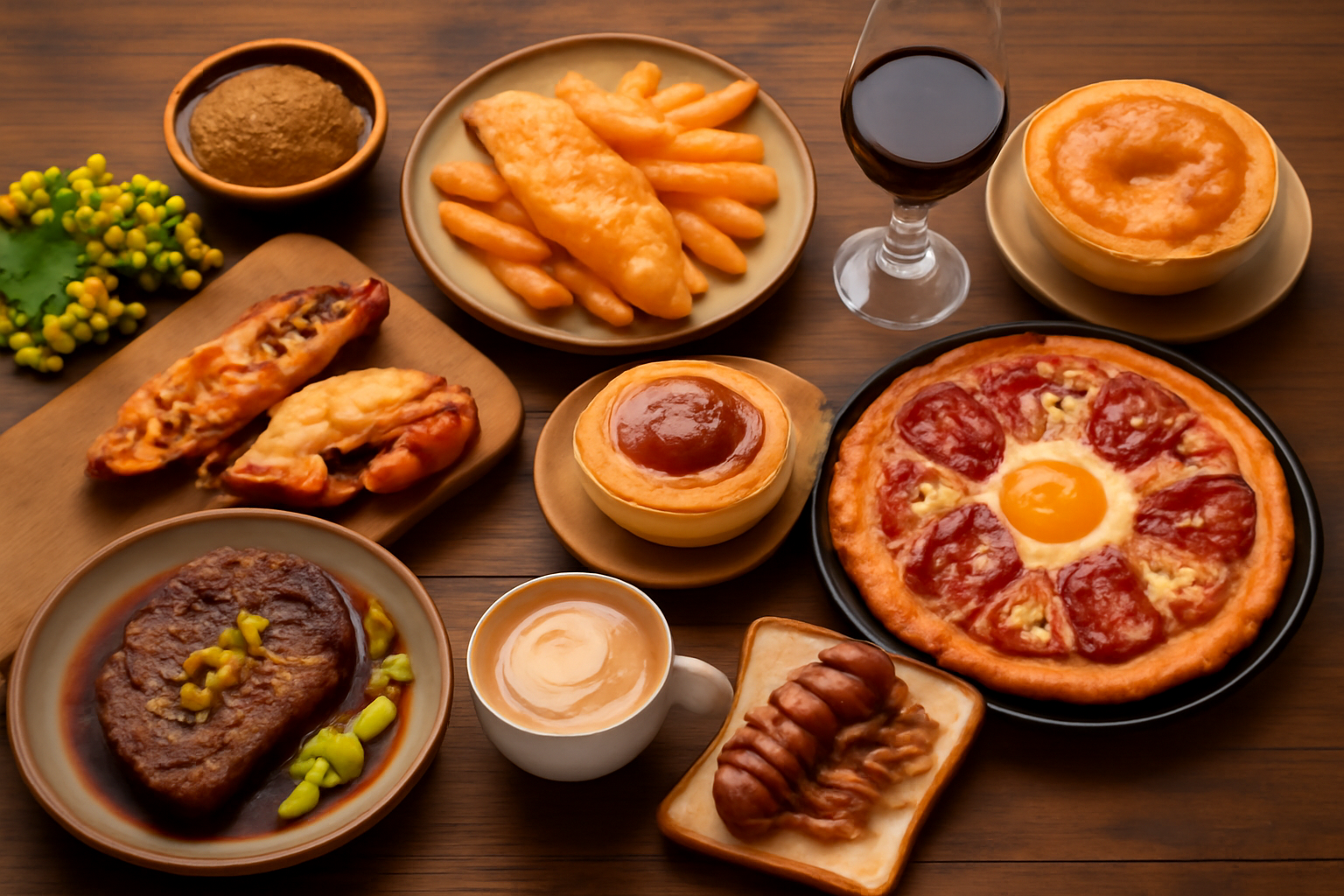
In southern cities—especially those known for strong café culture—festivals highlight Australia’s talent for modern casual dining. Expect creative sandwiches, gourmet sausage rolls, specialty pastries, and desserts that look like they came from a boutique bakery rather than a temporary tent. Coffee culture also becomes part of the experience: baristas pulling espresso shots all day, serving flat whites and iced long blacks while the crowd moves between performances and exhibits.
Venture conceptually inland, and the festival menu often becomes heartier. Australia’s barbecue traditions show up in pulled meats, smoked ribs, and grilled skewers. You’ll see influences from American-style smoking techniques alongside distinctly Australian preferences—lamb, peppery sausages, and sauces that can range from sweet to sharply spiced. At many events, you can watch the cooking process, which turns food into entertainment: smoke rising, meat carving, buns stacked, and queues forming as aromas spread.
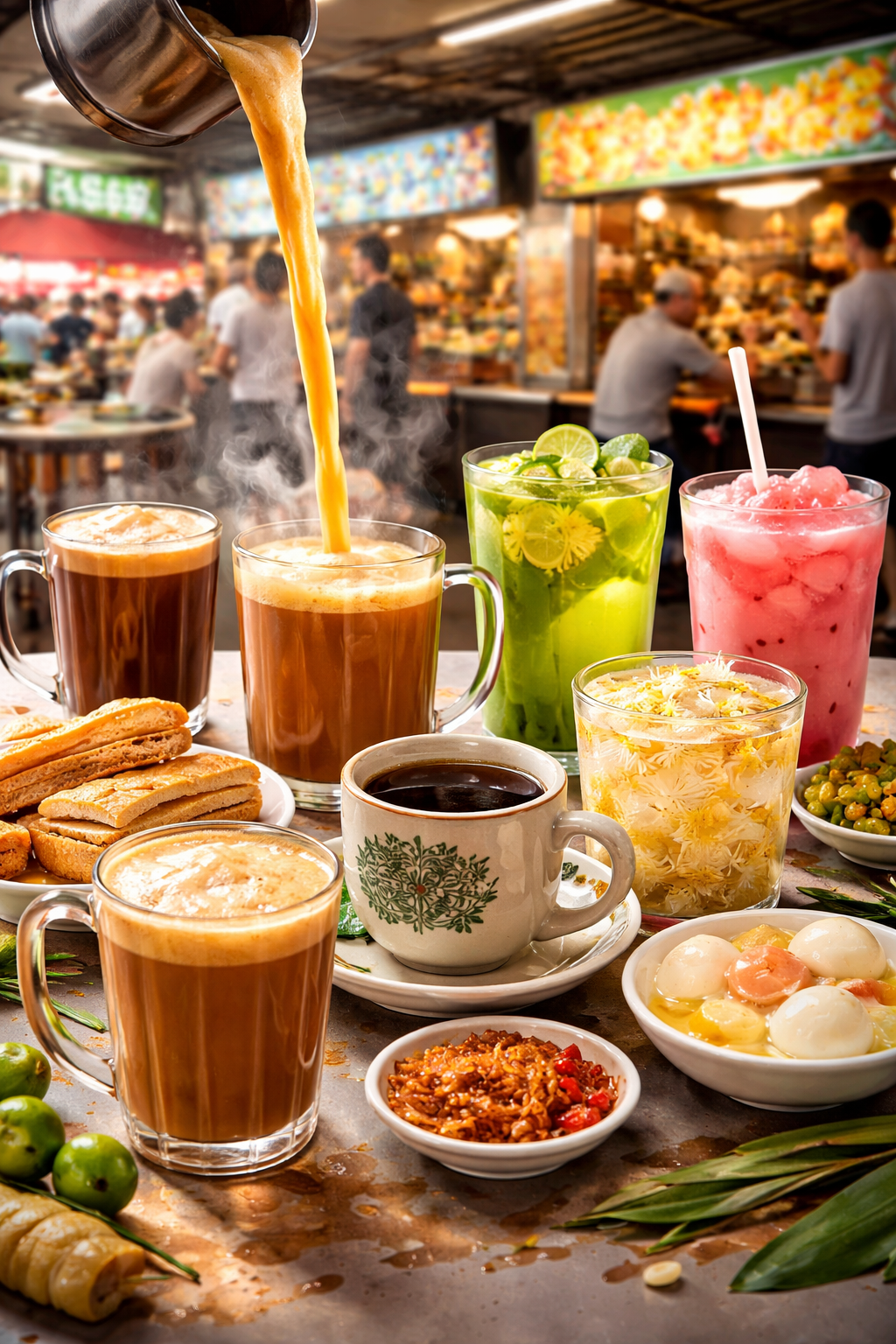
Then there’s the tropical north, where festivals tend to lean into bright produce and seafood suited to warmer weather. Dishes featuring mango, pineapple, chili, and lime feel right at home. You might find Asian-inspired noodles and salads, grilled fish with tangy dressings, or desserts that cool you down—sorbets, shaved ice, and fruit cups. These flavors underline how Australia’s proximity to Asia shapes everyday eating, especially in northern regions and multicultural urban areas.
No regional tour is complete without acknowledging the country’s obsession with local beverages. Many festivals partner with nearby wineries, breweries, and distilleries. In cool-climate areas, tastings might emphasize elegant whites and sparkling wines. In warmer regions, you may encounter fuller reds and bold rosés. Craft breweries bring festival-friendly options like pale ales, IPAs, and sours, while distilleries showcase gin infused with native botanicals.
A particularly meaningful layer of regional food culture is the presence of Indigenous ingredients—often introduced through sauces, desserts, or seasoning blends. Native herbs and fruits can appear subtly: lemon myrtle in shortbread, wattleseed in chocolate, finger lime pearls on seafood. When presented with context—who supplies it, how it’s traditionally used—it becomes more than novelty. It’s a reminder that Australian food starts with the world’s oldest living cultures.
To make the most of a regionally diverse festival lineup, treat the event like a tasting trail. Choose one “local hero” ingredient (seafood, lamb, native spices, tropical fruit) and try it in multiple forms. Add a drink pairing that matches the climate and cuisine, and you’ll walk away not just full, but genuinely informed about how geography shapes the Australian plate.