Australia’s video game scene has undergone a steady transformation: once a small cluster of developers working in isolation, it is now a connected industry with global distribution, professional pipelines, and a growing cultural footprint. Its evolution mirrors how entertainment itself has changed—toward interactivity, community, and always-on media.
Early development and the shift to digital access
In earlier decades, Australian studios often depended on publisher deals and contract work tied to physical retail cycles. That approach produced talent, but it could be unstable—projects were canceled, studios closed, and many developers sought opportunities in larger markets. The turning point came when digital distribution and affordable development tools began leveling the playing field. Teams could build prototypes faster, publish without massive upfront manufacturing costs, and update games after launch based on player feedback.
Indie breakthroughs and international recognition
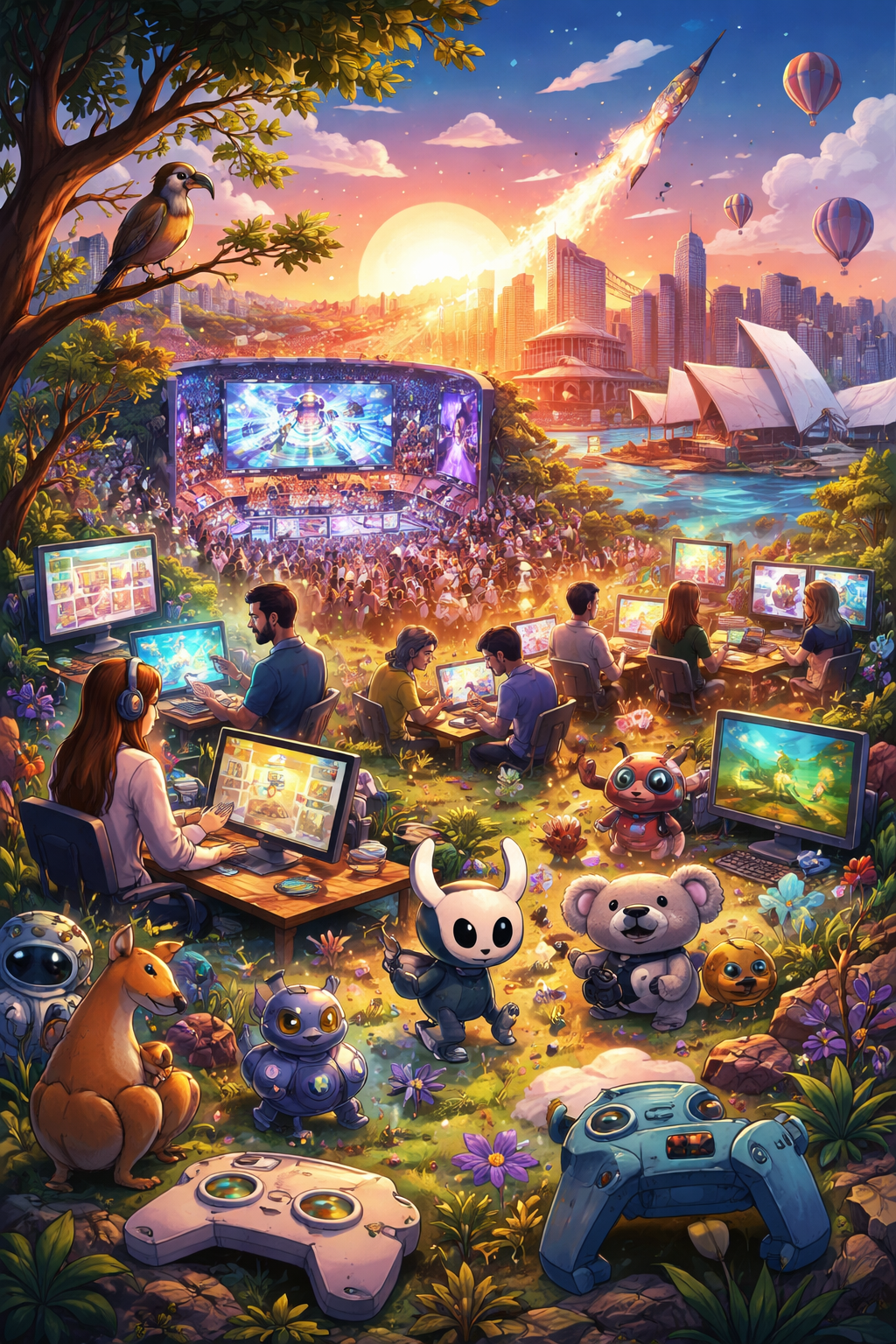
Australia’s strongest growth narrative is driven by independent studios. When standout titles gained traction overseas, they proved that a studio in Adelaide, Melbourne, Brisbane, or Sydney could compete with teams anywhere—if the design and execution were exceptional. The success of games like Hollow Knight helped establish credibility for Australian creators, encouraging investment, partnerships, and greater media attention. Importantly, indie wins also inspired newcomers: game jams, community workshops, and online courses made the pathway into development feel achievable.
A diverse industry structure
Today, the sector is not one monolithic “type” of studio. Australia has:
- Original-IP indies building premium PC/console experiences
- Mobile-focused companies optimizing free-to-play and live updates
- Co-development and support teams working with international publishers on major releases
This variety strengthens the industry because it spreads risk. When original projects take longer, service work can bridge revenue gaps; when a studio owns a successful IP, it can grow long-term value through sequels, expansions, or licensing.
Policy, funding, and skills development
Government recognition has increased, with screen and creative agencies treating games as a legitimate cultural form. Grants, prototyping funds, and state-based initiatives have helped studios start projects and hire locally. Federal moves toward tax incentives for eligible game production also aim to attract investment and keep talent in Australia. Meanwhile, universities and vocational providers feed the pipeline with specialized skills—3D art, animation, engine programming, UX, audio design, and production management.
Entertainment impact: from playing to watching and belonging
The biggest effect on entertainment is that gaming is no longer just “playing.” Australians participate through streaming, esports viewing, Discord communities, and user-generated content. Games function as social venues—places where friends meet nightly, where communities form around shared goals, and where spectatorship becomes entertainment in its own right. This expands what “media consumption” means: you might watch a creator’s playthrough, discuss strategies, then jump in yourself.
Cultural influence and ongoing pressure points
Australian-made games can showcase local sensibilities—dry humor, unique art styles, and storytelling that feels distinct from mainstream Hollywood patterns. They also open doors for more voices, including projects that draw on Indigenous perspectives or regional histories. Challenges remain: uneven access to capital, hiring competition from overseas studios, and the need for healthier work practices as teams scale.
As technology pushes toward cloud platforms, mixed reality, and new production workflows, Australia’s opportunity lies in staying nimble—pairing strong craft with community-driven visibility and globally accessible release strategies.