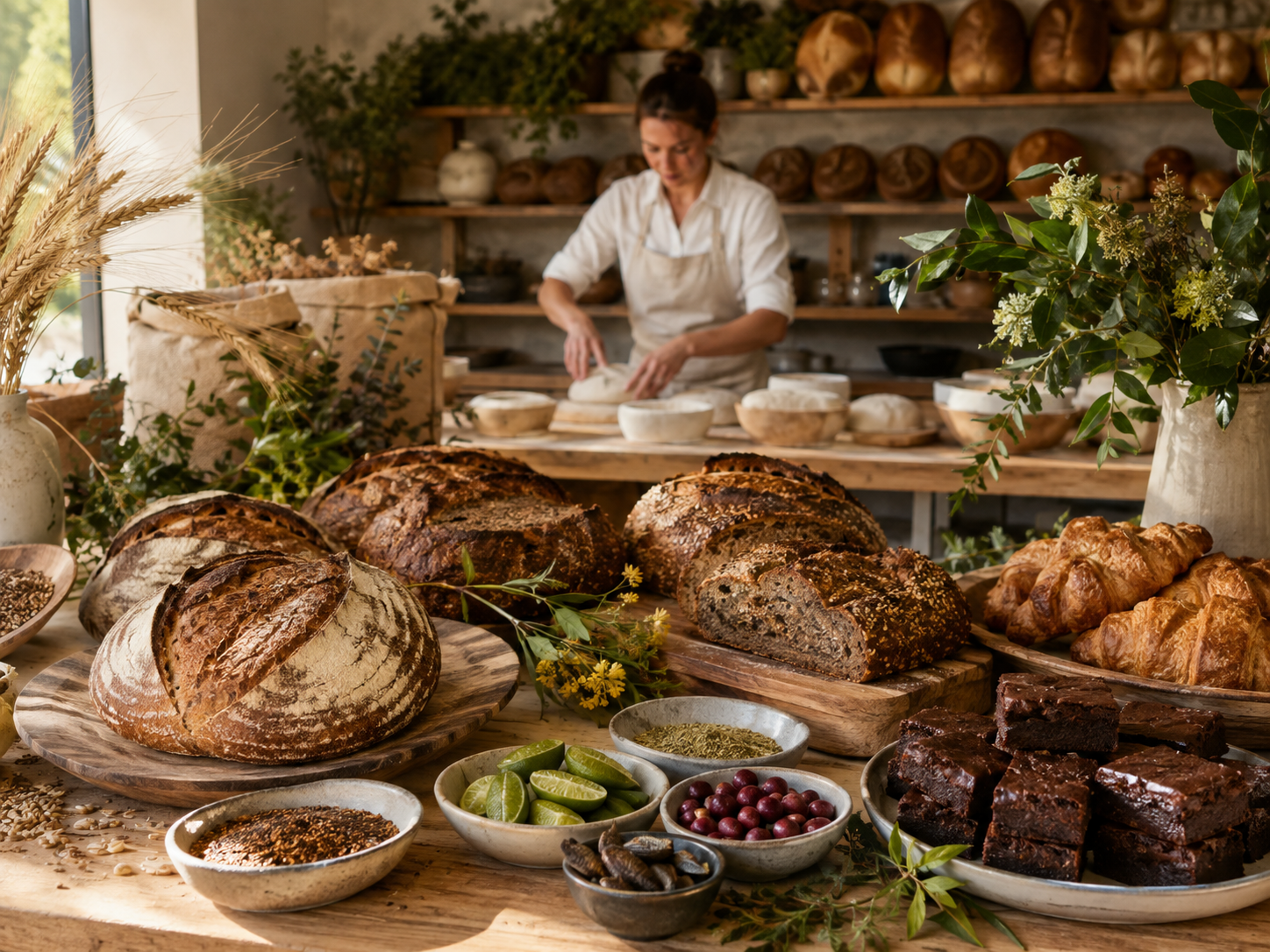
Australia’s culinary identity has undergone profound changes since the arrival of the British in 1788. Initially, the food landscape was shaped by the tastes and traditions of early settlers, but over time, the cuisine evolved into a melting pot of diverse international influences. As Australia became more multicultural, its food culture embraced flavors from all corners of the world, transforming into the dynamic and innovative culinary scene it is today.
The British colonists who first arrived in Australia brought with them a distinctly European food culture. Meals were often simple and utilitarian, designed to provide sustenance for people living in an unfamiliar and challenging environment. Traditional British dishes, such as meat pies, puddings, and roasts, quickly became part of the Australian food culture. While these dishes are still enjoyed today, they are no longer the mainstay of Australian cuisine.
Following World War II, Australia experienced a wave of immigration that fundamentally reshaped the food scene. Immigrants from Italy, Greece, and other European countries introduced a range of new ingredients and culinary techniques. Pizza, pasta, and olive oil-based dishes began to emerge, signaling a shift from the traditionally heavy, meat-based British meals to lighter, Mediterranean-inspired cuisine.
The 1970s and 1980s marked a further diversification of Australian food culture, as immigration from Asia and the Middle East brought even more variety to the dining table. Chinese, Vietnamese, and Thai cuisines became increasingly popular, bringing with them a range of spices, herbs, and cooking methods that were previously unfamiliar to Australians. The incorporation of Asian flavors into everyday meals can be seen in dishes like Asian-style salads, noodle stir-fries, and sushi, which have all become common fare.
In more recent decades, Australian cuisine has embraced fusion, where chefs combine ingredients and techniques from different culinary traditions. This has led to the rise of new, innovative dishes that blend local ingredients with global flavors. Indigenous Australian foods, such as bush tucker, have also made their way into mainstream restaurants, with chefs exploring native spices and produce like wattleseed, bush tomatoes, and quandongs.
Today, Australian cuisine is a reflection of the country’s multicultural identity. It is a cuisine that embraces diversity, offering a unique combination of British heritage, European influence, and global flavors. As the culinary world continues to evolve, Australia remains at the forefront of exciting food trends, celebrated for its creativity, innovation, and bold approach to flavor.