Sydney offers far more than beautiful beaches and iconic landmarks. It is also a city where food tells the story of migration, community, and invention. Culinary life in Sydney stands out because it is shaped by many voices at once. Rather than following a single national style, the city embraces diversity as its greatest strength, creating a food culture that is broad in scope, high in quality, and continuously renewed by fresh ideas.
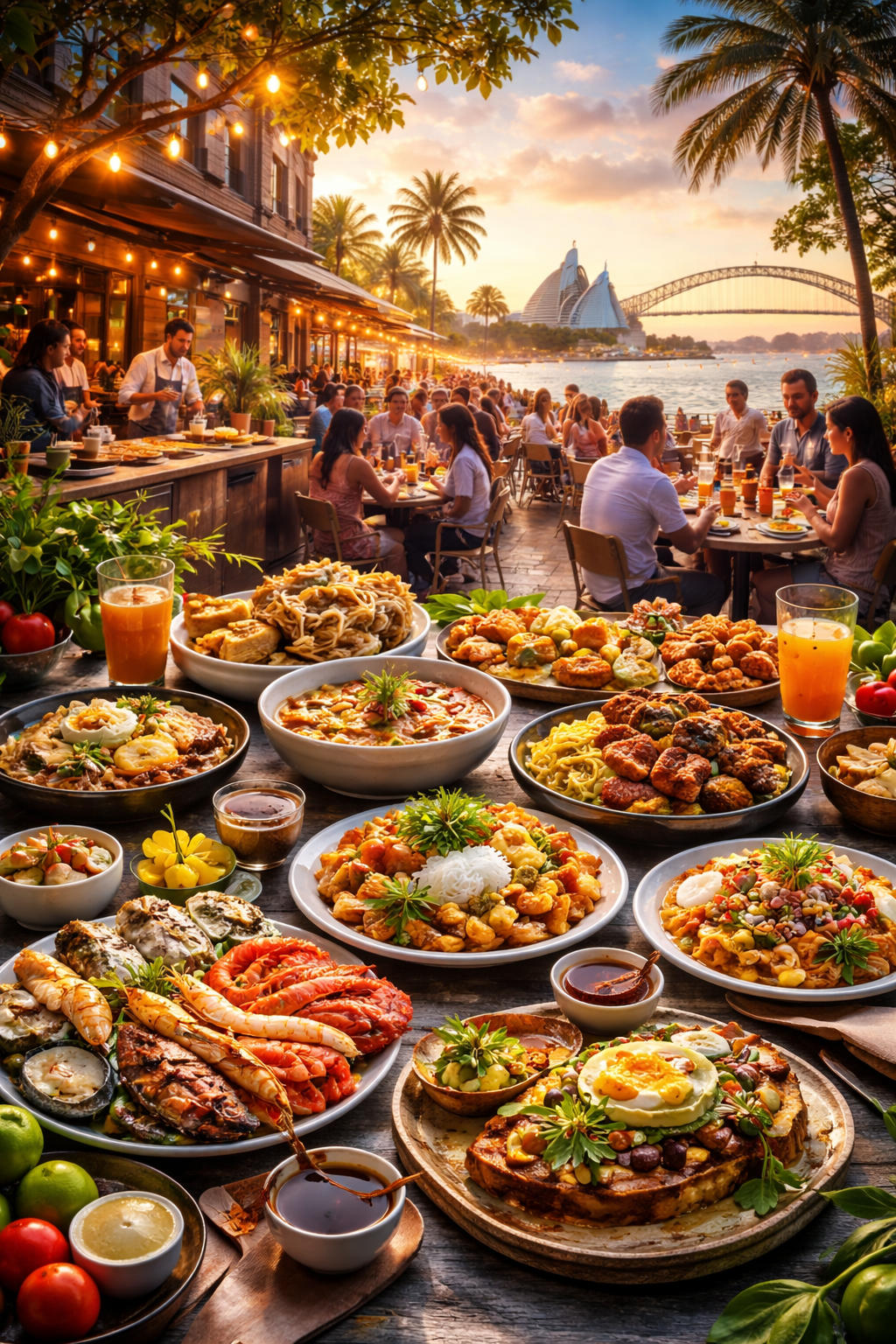
At the heart of Sydney’s dining landscape is its multicultural population. Over many decades, people from different parts of the world have made the city their home, carrying with them recipes, cooking techniques, spice traditions, and eating customs. These influences have become deeply woven into everyday life. In Sydney, multicultural food is not a niche category; it is part of the mainstream. Local residents regularly enjoy Chinese noodles, Lebanese charcoal-grilled meats, Vietnamese soups, Japanese sushi, Italian pasta, Indian curries, and Korean barbecue as part of normal weekly eating habits. This variety has created a public that is adventurous, informed, and highly open to new flavors.
Different parts of the city reveal different dimensions of this diversity. Some areas are known for long-established migrant communities and authentic regional cuisines, while others have become hubs for modern restaurants that reinterpret global traditions in more contemporary ways. As a result, dining in Sydney can feel like moving through a map of the world. Yet the experience is not random. What ties these cuisines together is a shared emphasis on freshness, hospitality, and adaptation to local ingredients.
Sydney’s natural environment gives its food culture another distinctive advantage. Its access to the sea supports a strong seafood tradition, while surrounding farming regions contribute premium produce throughout the year. Many chefs and home cooks alike value ingredients that are seasonal, vibrant, and minimally processed. This preference influences the overall tone of the city’s cuisine. Dishes often feel clean, balanced, and ingredient-driven rather than heavy or overly complicated. Whether served in an upscale restaurant or a casual café, food in Sydney frequently highlights clarity of flavor.
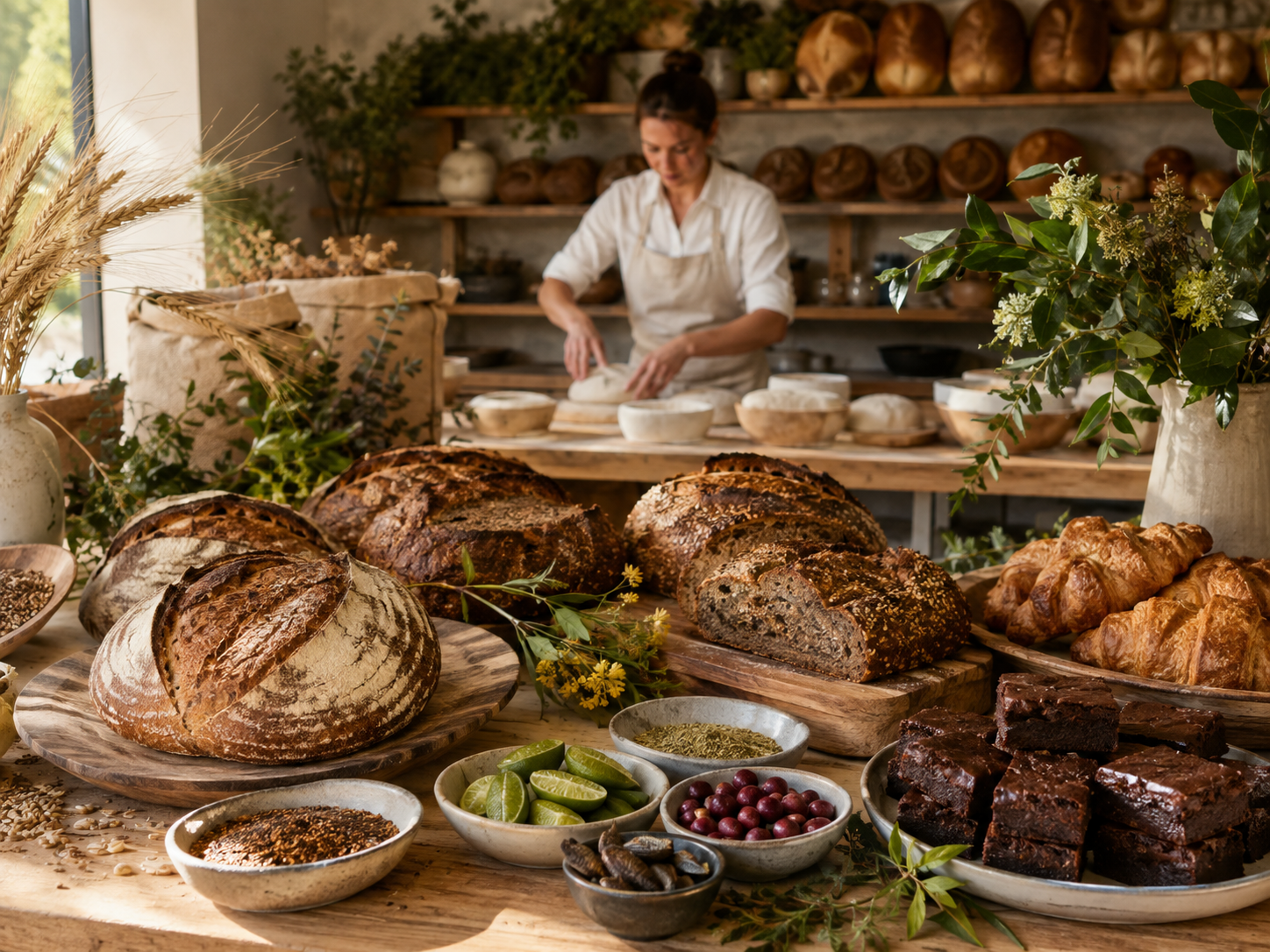
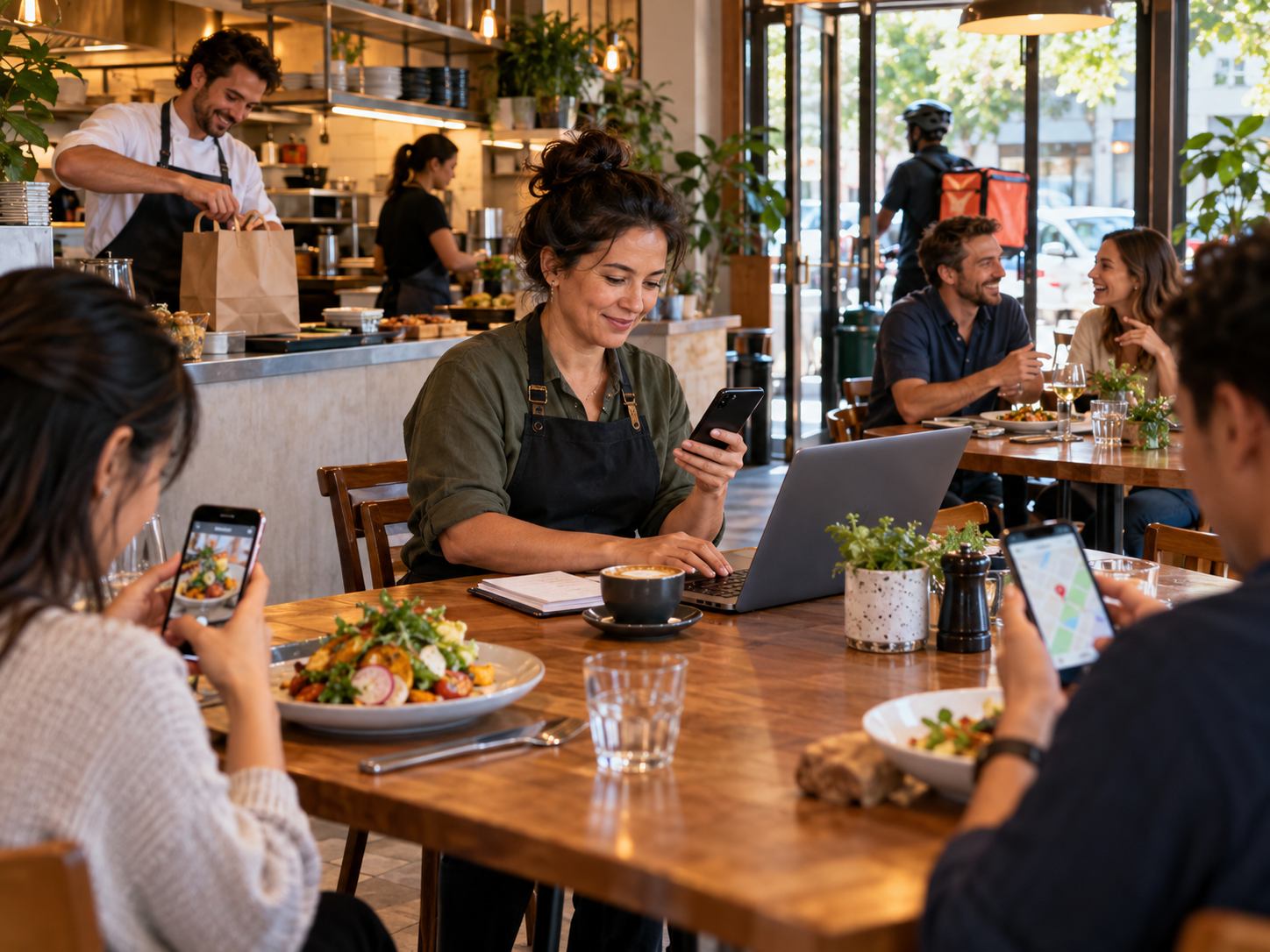
The city’s café scene deserves particular attention because it has become one of the most recognizable parts of Sydney’s culinary identity. Cafés in Sydney are often judged not only by coffee quality but also by menu originality, interior atmosphere, and consistency of service. Brunch culture has grown into a serious culinary category, with chefs turning breakfast and lunch into opportunities for technique and creativity. Seasonal fruit, artisanal bread, house-made condiments, specialty roasts, and aesthetically arranged plates all reflect the city’s appreciation for informal excellence.
Innovation in Sydney’s food scene goes beyond presentation. Many chefs experiment with cross-cultural cooking, combining ideas from different culinary traditions without losing respect for their origins. A dish might pair Japanese precision with Australian seafood, or Mediterranean structure with native botanicals. This kind of fusion succeeds when it is thoughtful rather than superficial. In Sydney, the best innovation comes from understanding tradition deeply enough to reshape it intelligently.
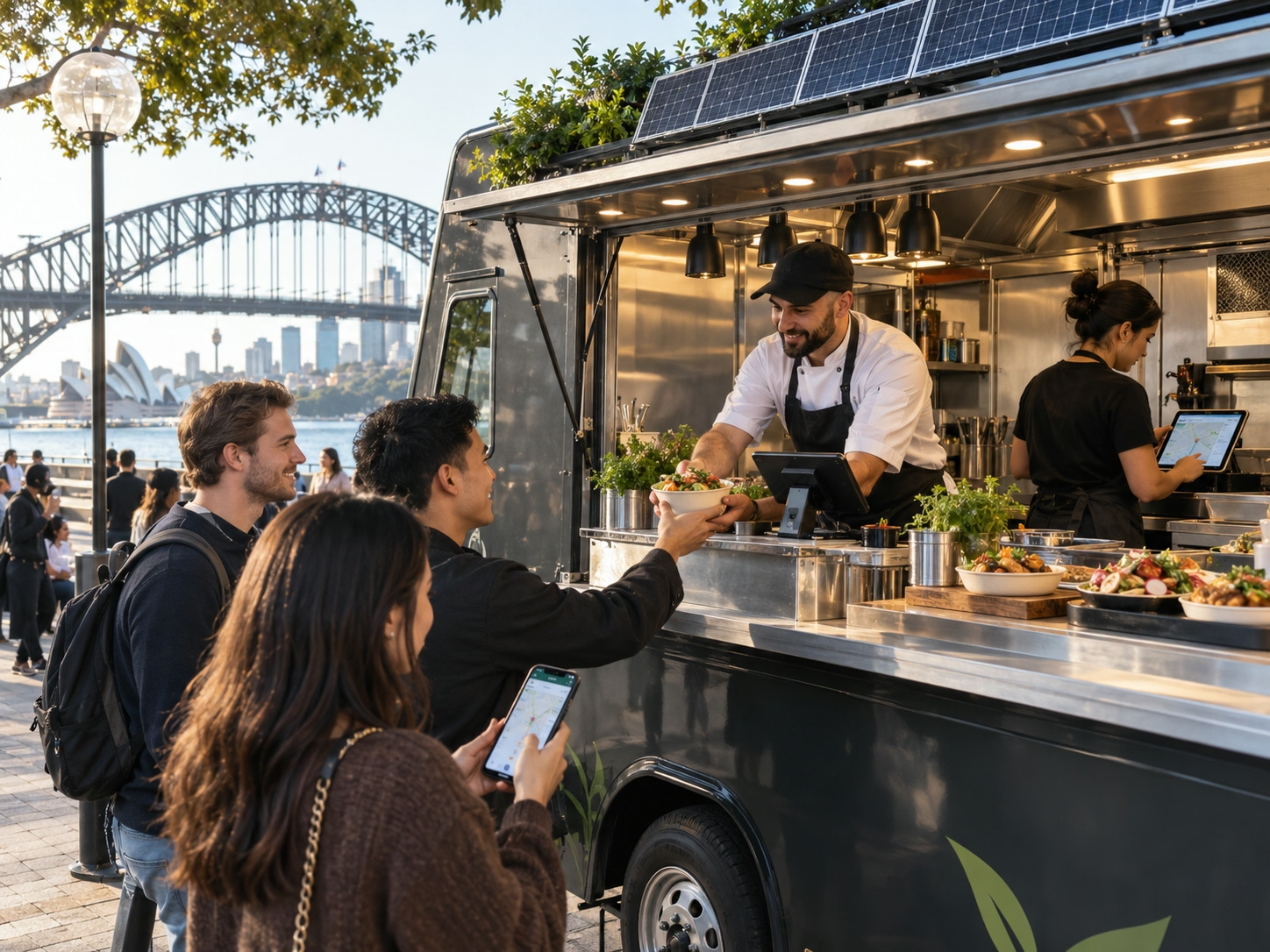
There is also growing attention to sustainability and ethical dining. Restaurants increasingly promote local sourcing, reduced food waste, plant-based options, and environmentally aware seafood choices. Consumers are rewarding businesses that demonstrate transparency and responsibility. This shift shows that Sydney’s culinary culture is not only about trend and taste, but also about long-term values.
Sydney’s food life is compelling because it unites cultural depth with modern ambition. It respects family traditions while welcoming experimentation. It values everyday comfort as much as fine dining. Most importantly, it turns food into a living conversation between people, places, and ideas, making the city one of the most fascinating culinary destinations in the region.