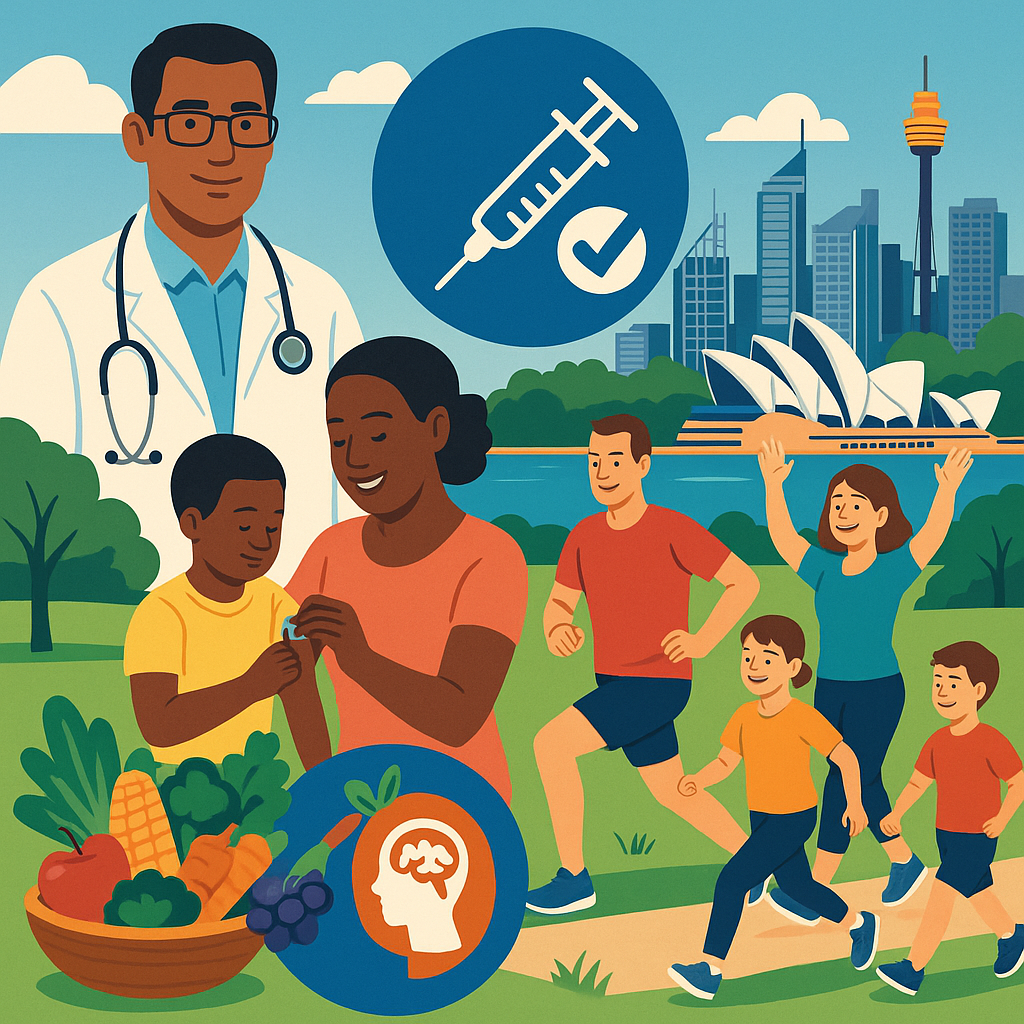
Australia, an island nation with a diverse climate and population, faces unique challenges in managing infectious diseases. The effectiveness of Australia’s approach to preventing and controlling the spread of these diseases lies in a multifaceted strategy that combines surveillance, vaccination, public education, and international cooperation. These measures are critical to safeguarding public health and minimizing the social and economic impact of disease outbreaks.
Australia has experienced a variety of infectious diseases, including viral infections like influenza and COVID-19, and bacterial diseases such as tuberculosis and whooping cough. The rapid movement of people and goods, coupled with environmental changes, can accelerate the spread of these diseases. Hence, controlling their transmission is of paramount importance.
The Role of Surveillance Systems
To prevent the widespread transmission of infectious diseases, Australia’s health authorities rely heavily on surveillance systems. These systems track patterns of disease occurrence, enabling officials to identify and respond to outbreaks in a timely manner. By closely monitoring disease trends, health departments can activate appropriate containment measures to mitigate further spread.
One key component of the surveillance system in Australia is the National Notifiable Diseases Surveillance System (NNDSS), which collects data from healthcare providers and laboratories across the country. This system allows for early detection and provides valuable insights that guide policy decisions.
Vaccination as the Pillar of Disease Prevention
Vaccination is one of the most effective tools for preventing the spread of infectious diseases in Australia. The country has a long-standing commitment to vaccination, with the National Immunisation Program offering free vaccines to children and adults. Vaccines help reduce the overall burden of infectious diseases by protecting individuals and contributing to herd immunity.
Immunization rates in Australia are relatively high, thanks to public health campaigns and the accessibility of vaccines. For example, during the flu season, the Australian government promotes flu vaccination to vulnerable groups such as the elderly and individuals with underlying health conditions.
Recent efforts to combat COVID-19 have highlighted the importance of vaccination in preventing disease transmission. Mass vaccination campaigns, combined with stringent border controls and testing, helped to significantly reduce the spread of the virus within Australia.
Public Health Education and Hygiene Measures
Effective public health education is key to preventing infectious diseases in Australia. The public is educated about the importance of personal hygiene, such as frequent hand washing, proper coughing etiquette, and using sanitizers. These simple yet effective measures help reduce the spread of germs and pathogens.
During the COVID-19 pandemic, the Australian government launched national campaigns to educate citizens on the importance of social distancing, mask-wearing, and staying at home when sick. The public’s adherence to these guidelines played a critical role in reducing the transmission of the virus.
Infection Control in Medical Facilities
Hospitals and clinics in Australia adhere to strict infection control protocols to prevent outbreaks within healthcare settings. These include rigorous sterilization practices, the use of personal protective equipment (PPE) by healthcare workers, and the isolation of patients with contagious diseases.
In addition, healthcare professionals are trained to identify early signs of infectious diseases, ensuring that appropriate isolation and treatment measures are taken immediately. These infection control measures are vital for protecting both patients and healthcare workers from becoming infected.
Collaborative Efforts with Global Health Networks
Australia’s approach to preventing the spread of infectious diseases is not limited to domestic efforts alone. The country collaborates with international health organizations, such as the World Health Organization (WHO), to stay informed about global health trends and potential threats. By participating in international disease surveillance and response networks, Australia is better equipped to respond to emerging infectious diseases and prevent their entry into the country.
In particular, Australia’s cooperation with the Pacific Island nations is crucial, as these regions are at a higher risk for certain diseases. Joint efforts focus on improving vaccination rates, enhancing healthcare infrastructure, and increasing public awareness to prevent outbreaks from spreading across borders.
Comprehensive Response to Public Health Threats
Australia’s success in managing infectious diseases is due to a comprehensive and coordinated approach involving all levels of government, healthcare providers, and the public. By implementing a robust response system that includes disease monitoring, preventive vaccination, public education, and international collaboration, Australia is well-positioned to minimize the impact of infectious diseases.
Despite the challenges, Australia remains committed to protecting its population from infectious diseases. By continuing to enhance its public health strategies and fostering international cooperation, the country will be able to effectively manage future health threats.