Australia’s clothing culture offers a unique blend of formal and casual styles that reflect both the nation’s relaxed approach to life and its appreciation for polished appearances when needed. While the divide between formal and casual wear might seem clear at first, understanding the finer details of Australian dress codes reveals a more nuanced fashion landscape.
What Defines Formal Attire in Australia?
Formal wear in Australia often aligns with what is typically seen in Western countries but with a few adjustments for the local environment and culture. For formal events like weddings, business conferences, or upscale dinners, Australians opt for classic suits and dresses, often tailored for comfort without sacrificing elegance. Men’s formal wear typically includes well-fitted suits paired with ties and dress shoes, while women may wear anything from a cocktail dress to an evening gown.
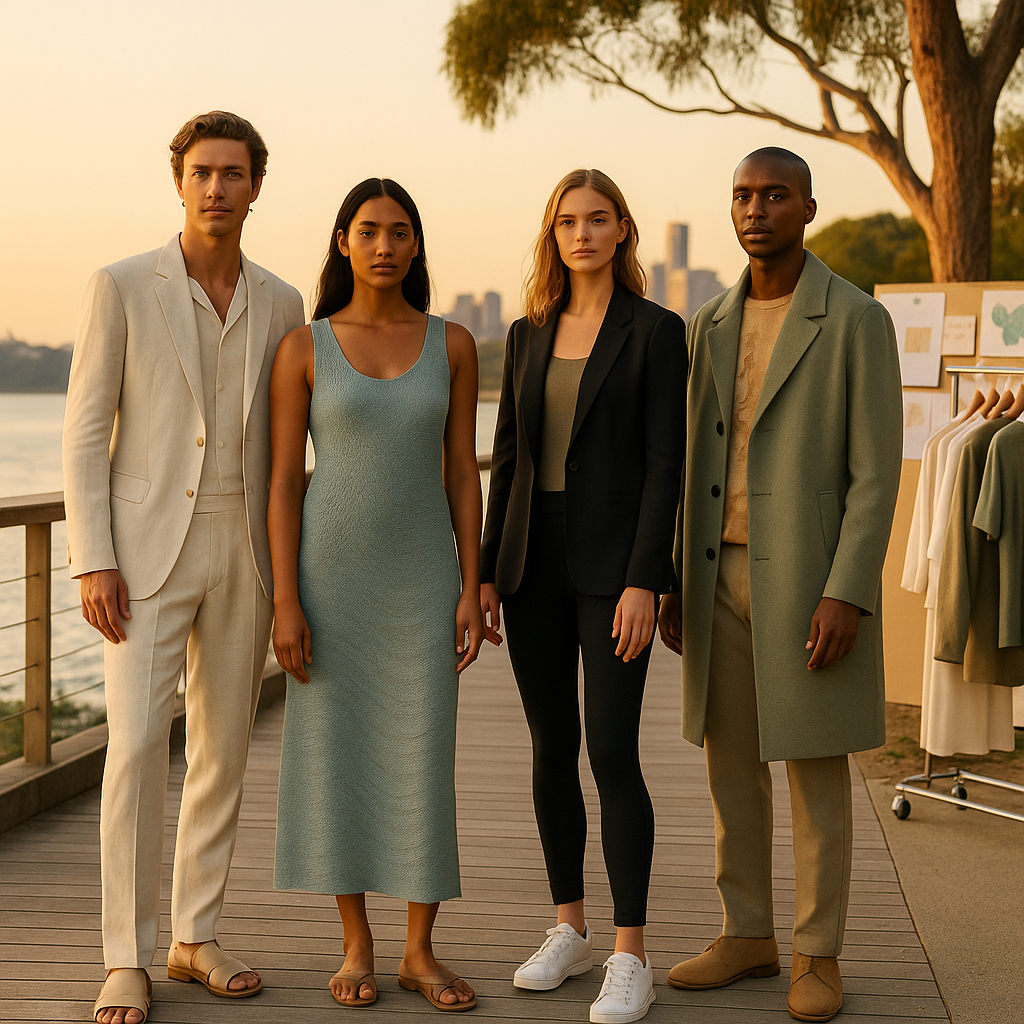
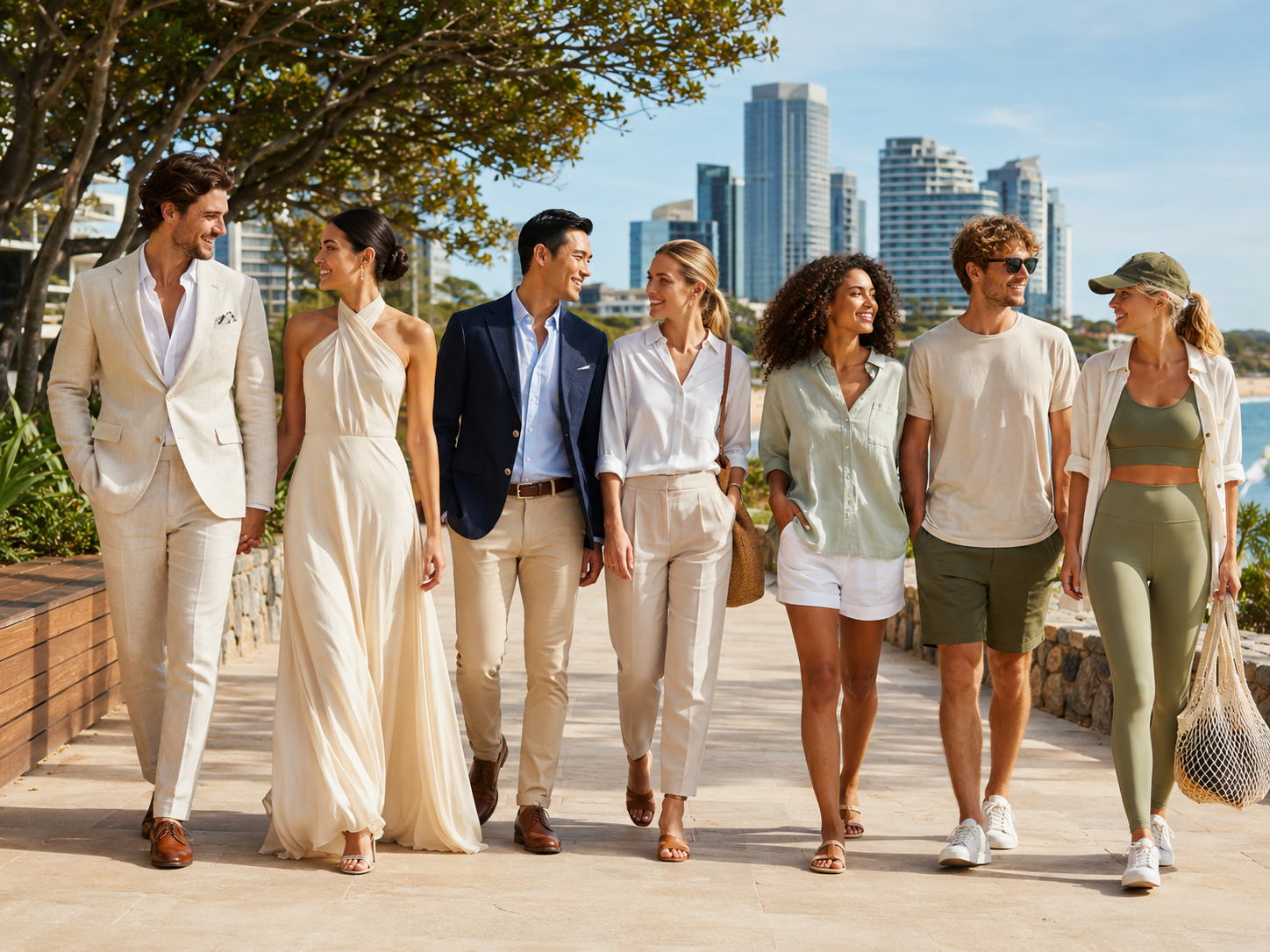
The Australian climate also influences the materials chosen for formal wear. In hotter months, lightweight fabrics like linen and cotton are commonly chosen to ensure comfort. Furthermore, it’s not uncommon to see more relaxed choices of color, such as pastel shades or even floral patterns, in comparison to the more traditional dark formalwear seen abroad.
Formal attire also varies depending on location. In coastal cities like Sydney or Brisbane, you might find lighter, more casual iterations of formal wear that incorporate local fabrics and styles, like linen shirts and open-toe shoes, especially in beach weddings and similar events.
Casual Clothing in Australia: Embracing Comfort and Practicality
On the flip side, casual clothing in Australia embodies the laid-back nature of its culture. Casual dressing is acceptable in most situations, from outdoor activities to social gatherings. Men typically sport comfortable shorts or chinos paired with t-shirts or casual shirts, while women tend to wear dresses or comfortable pants with casual tops.
One of the biggest factors shaping casual wear in Australia is the climate. Many Australians take advantage of the warm weather, opting for light fabrics and sporty, breathable clothing. Sneakers, flip-flops, and sandals are also very common casual footwear choices, especially during the summer months.
In addition to everyday casual outfits, Australia is known for a growing streetwear scene, particularly in cities like Melbourne. Here, individuals incorporate trendy casual elements such as hoodies, branded caps, and designer sneakers into their wardrobes, making casual attire stylish without being overly formal.
The Popularity of Business-Casual Dressing
In Australian professional environments, the business-casual look is gaining popularity. This style offers a middle ground between formal and casual wear and is often seen in offices, client meetings, and even interviews. Men may pair a blazer with a smart pair of jeans or chinos, while women can wear a tailored blazer with a blouse and pants. The idea behind business-casual is to allow individuals to dress professionally while maintaining a sense of ease and comfort.
Business-casual attire is not only common in corporate settings but also across creative industries and startups. These sectors encourage employees to express their personality through their clothing, offering more freedom when it comes to choosing pieces that mix professional with casual elements.
Sustainability in Australian Fashion
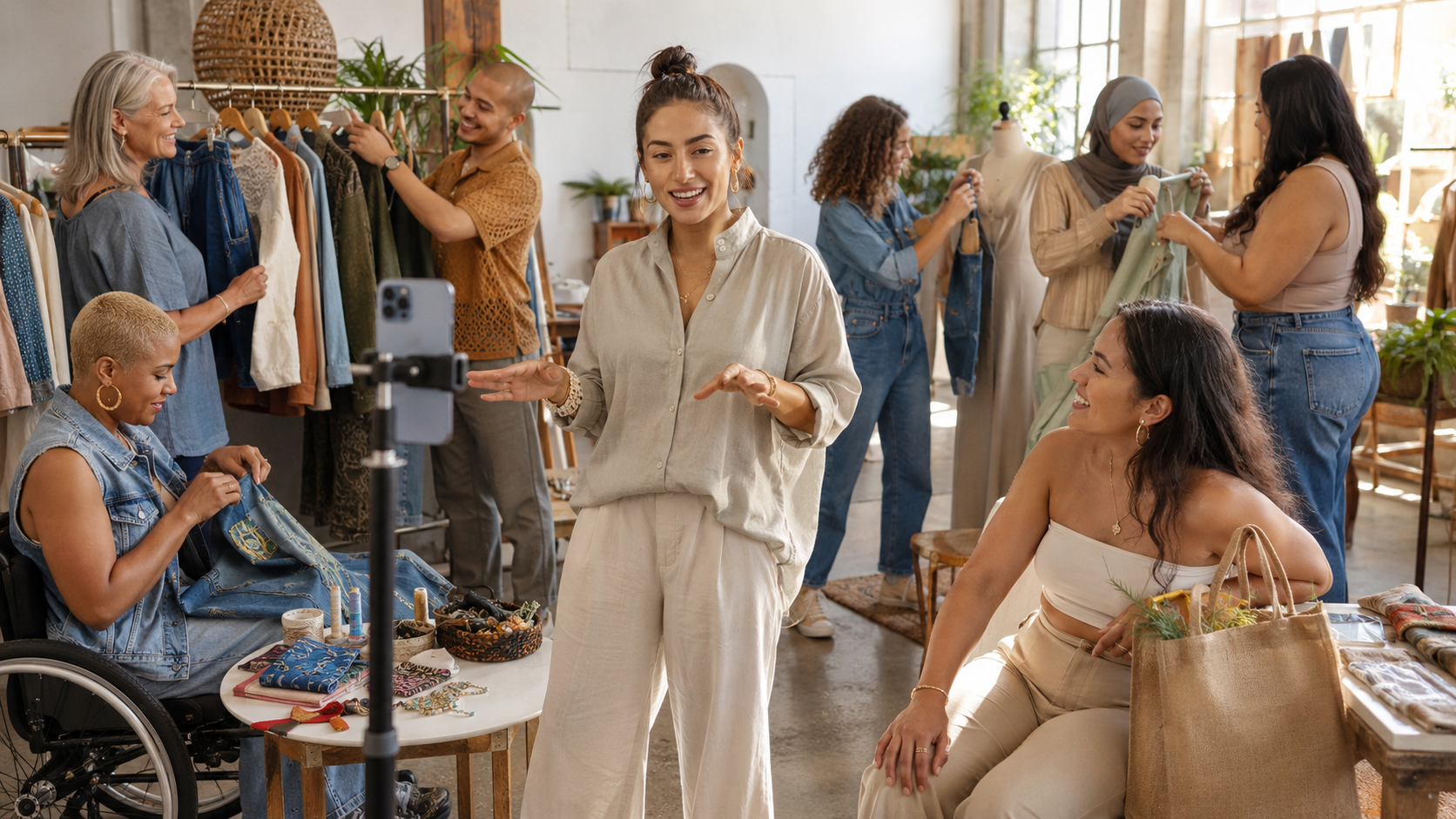
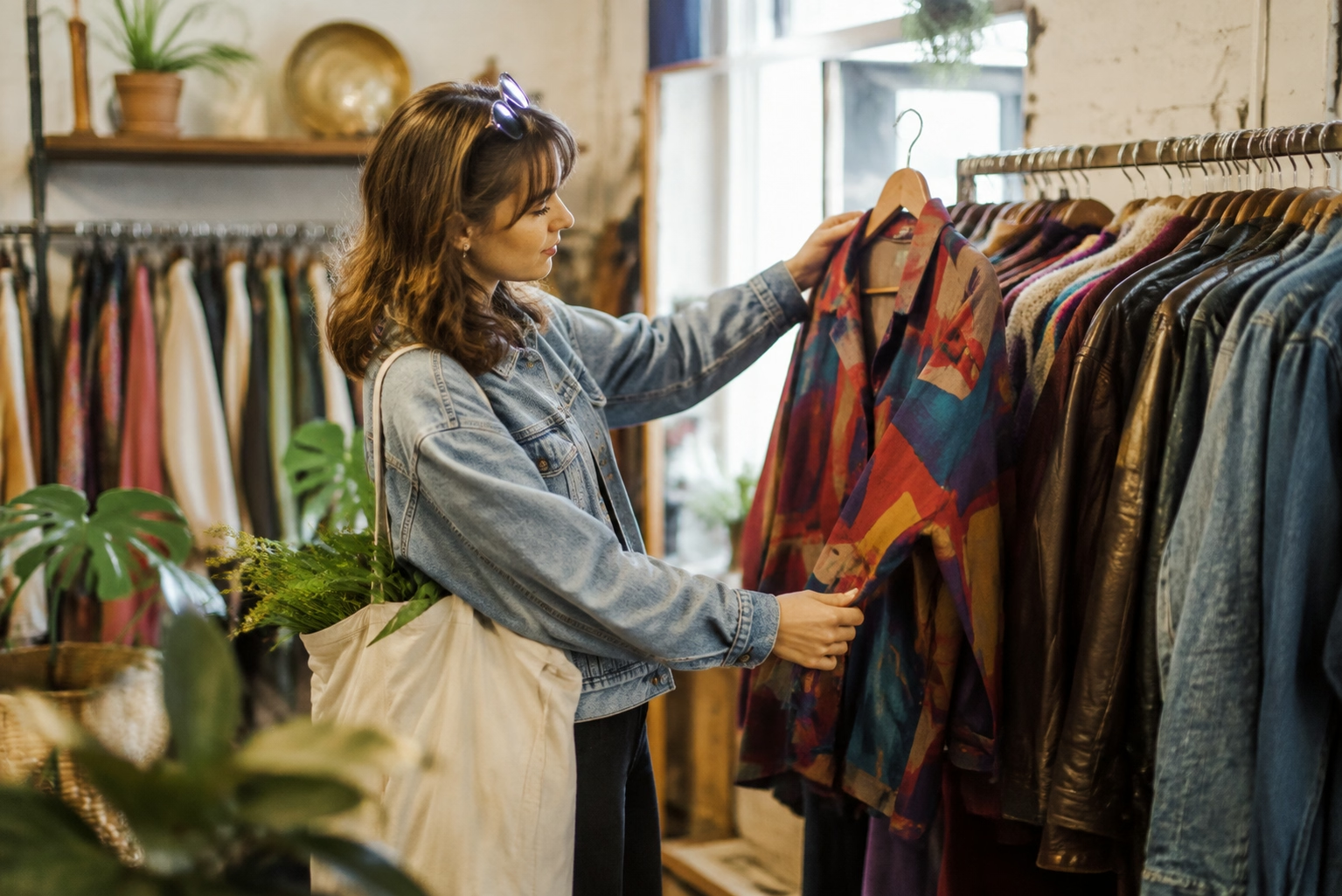
As fashion continues to evolve globally, Australia is embracing sustainable and eco-friendly fashion choices. Many Australians are opting for clothing that is ethically produced, with an emphasis on using organic materials and supporting local designers. This shift is influencing both formal and casual wardrobes, as consumers are becoming more conscious of the environmental impact of their clothing choices.
For both formal and casual events, Australians are turning to sustainable brands that promote environmentally responsible production practices. Whether attending a corporate event or simply enjoying a weekend outing, Australians are increasingly selecting clothing that aligns with their values of sustainability and environmental responsibility.