Imagine a patient in regional NSW with diabetes and mild heart failure. Their journey increasingly runs on a digital rail. It begins with a GP telehealth consult—booked via a patient portal, reimbursed under Medicare, and joined from home on a basic smartphone. The GP reviews the patient’s My Health Record: recent pathology, a discharge summary from a city hospital, and medication lists are already in view. That visibility averts repeated tests and unsafe prescribing.
The visit ends with an ePrescription. The patient shares a token (or uses their Active Script List) at the local pharmacy, where dispensing software screens for interactions. At home, a connected weight scale and blood pressure monitor send readings to a monitoring dashboard. A nurse from a virtual ward checks trendlines and messages the patient when a threshold tilts upward. Early diuretic adjustments spare a 300-km round trip to the nearest hospital.
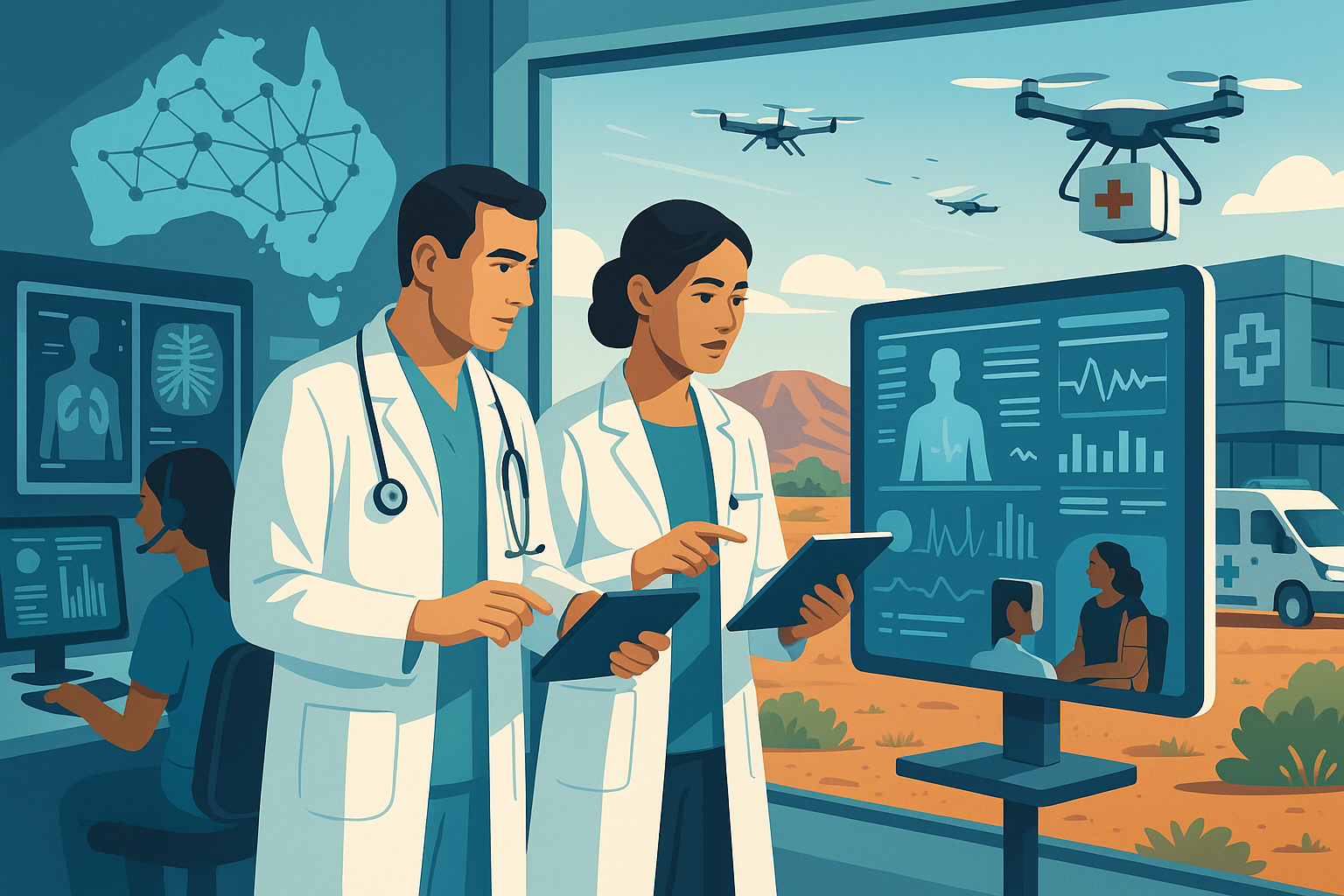
When new chest discomfort arises, the patient enters a nurse-led virtual ED. A structured protocol stratifies risk. An ECG at the community clinic syncs to a cardiology service; an AI-assisted algorithm flags patterns that merit in-person review. A planned transfer is arranged rather than a panicked ambulance ride, easing stress and costs.
Diagnostic clarity flows from connected infrastructure. Pathology results post to the patient’s record, radiology images are accessible across facilities, and alerts prompt the GP to follow up. If genomic testing is indicated—for example, to tailor lipid-lowering therapy—national programs coordinate access and counselling. Pharmacogenomic insights feed back into prescribing tools, reducing trial-and-error.
Behind the scenes, security and safety nets operate. TGA oversight ensures software that functions as a medical device meets evidence and risk standards. Hospitals employ electronic medication management with barcode matching, reducing administration errors. System interoperability, guided by FHIR, allows the GP’s software, specialist portals, and hospital EMRs to exchange data reliably.
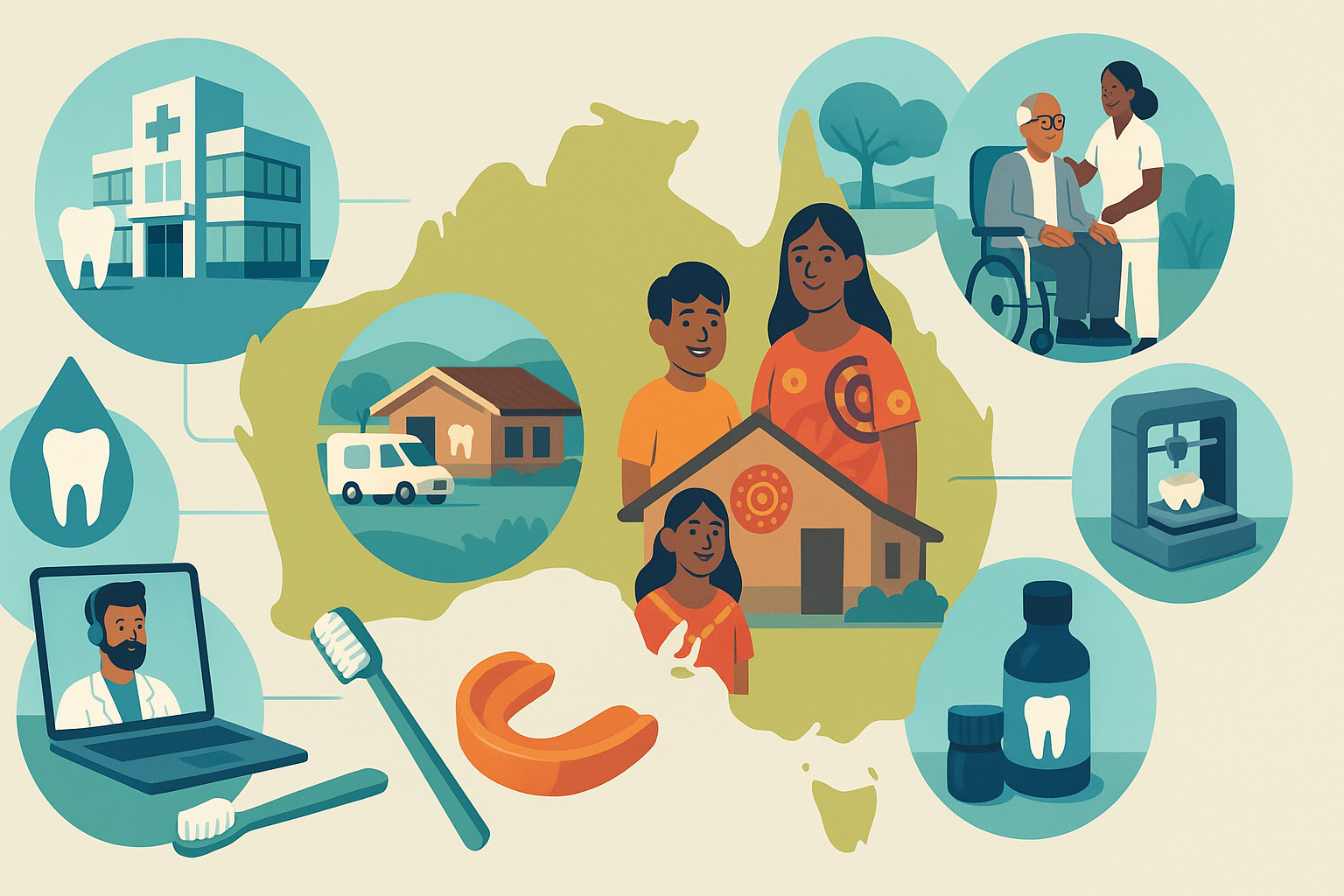
Equity-oriented innovations round out the picture. For First Nations patients, culturally adapted digital health education and local health worker support bridge trust and language gaps. Point-of-care testing brings timely HbA1c or troponin results to remote clinics. Emerging logistics solutions—such as drone or rapid courier networks—shorten turnaround for urgent medicines and pathology samples.
The economic logic is compelling. Remote monitoring helps prevent admissions; virtual consults preserve scarce specialist time; electronic workflows reduce duplication. Funding levers like the MRFF and partnerships through CSIRO and MTPConnect accelerate commercialisation, while evaluation frameworks emphasise real-world outcomes.
This journey isn’t frictionless. Digital literacy varies, broadband can be unreliable, and clinicians need training to interpret algorithmic outputs. But the trajectory in Australia is toward care that is timely, connected, and person-centred—where distance matters less, data is an ally, and support arrives before deterioration does.