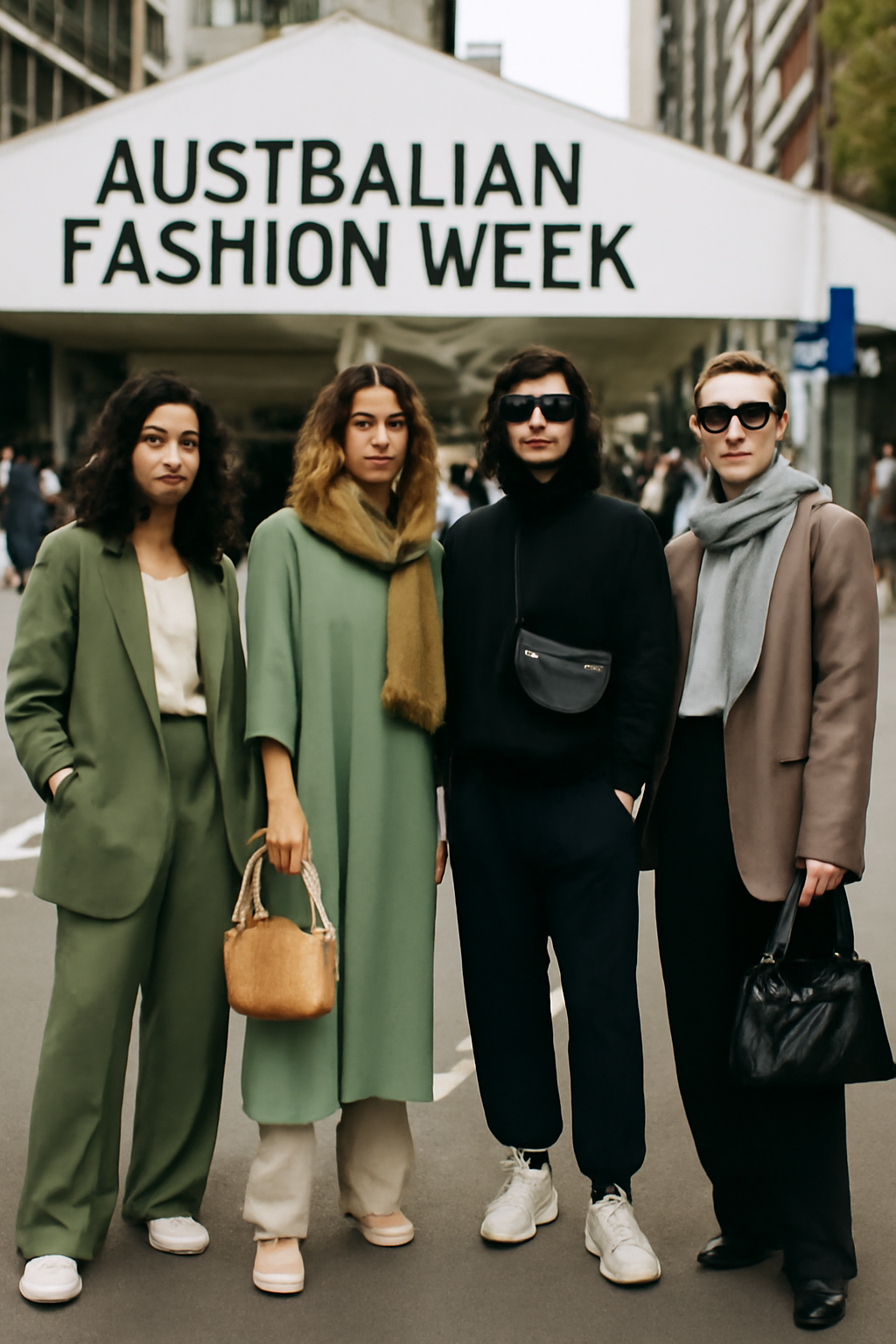
The clothing worn by Australians today is a fascinating blend of traditional garments rooted in the country’s Indigenous heritage and modern styles shaped by European settlers and contemporary fashion influences. Australia’s unique cultural identity is reflected in its clothing practices, from the attire worn by Indigenous Australians to the adaptive styles brought about by European colonization and the impact of modern trends.
Clothing in Indigenous Australian Culture
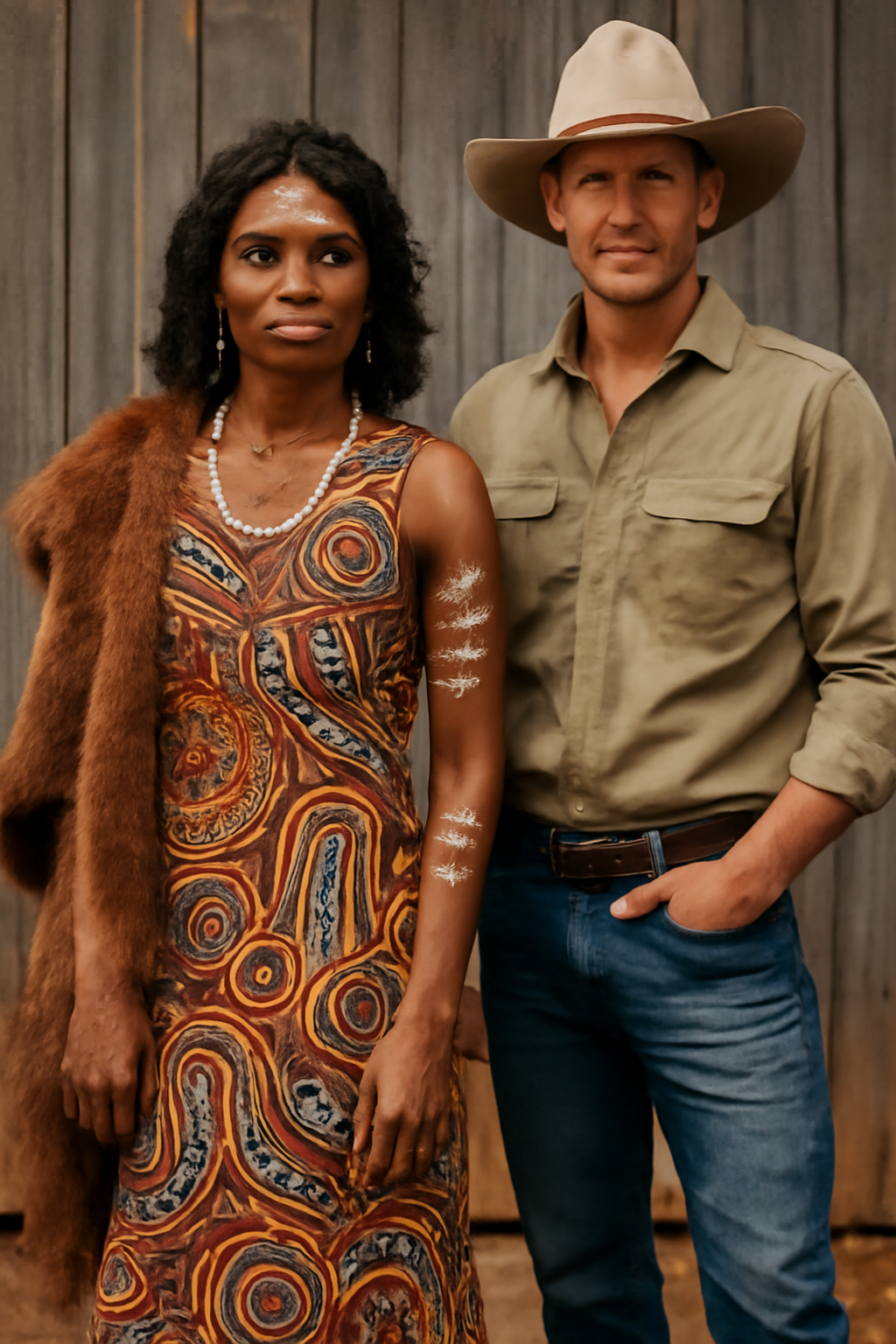
Indigenous Australians, consisting of various Aboriginal and Torres Strait Islander groups, have a long history of creating clothing that is intimately connected to the natural environment. Indigenous clothing was not based on the use of textiles, but instead on the practical use of animal skins, plant fibers, and other natural resources. In warmer climates, Indigenous Australians used very little clothing, preferring to paint their bodies with ochre, adorn themselves with beads, feathers, and shells, and wear minimal coverings.
In cooler climates, particularly in the southern regions, Indigenous Australians used animal furs, such as those from kangaroos and emus, to craft more substantial garments. These garments served both functional and symbolic purposes, often reflecting the wearer’s identity, tribe, and spiritual beliefs.
Traditional body adornment also played a major role in Indigenous cultures. Tattoos, face painting, and the use of ornaments like headdresses were integral to many Aboriginal and Torres Strait Islander ceremonies. These forms of body art carried deep spiritual meanings, signifying a person’s social standing, connection to the land, or participation in a significant cultural event.
The Colonial Impact on Australian Fashion
With the arrival of the British in the late 18th century, Indigenous fashion practices began to change, as European settlers imposed their own cultural values and clothing styles. Initially, European settlers struggled with the extreme Australian climate, wearing woolen garments that were impractical in the country’s hot and dry environment. Over time, however, settlers adapted their clothing choices, and the wide-brimmed hats, thick leather boots, and sturdy jackets associated with the “outback” became iconic symbols of Australian fashion.
Australia’s rural working class adopted these styles as practical solutions to their demanding, outdoor lifestyles. The iconic Aussie bush hat, often made from felt or leather, remains a symbol of Australia’s connection to the rugged, open landscapes of the Outback.
Reviving Indigenous Traditions in Modern Fashion
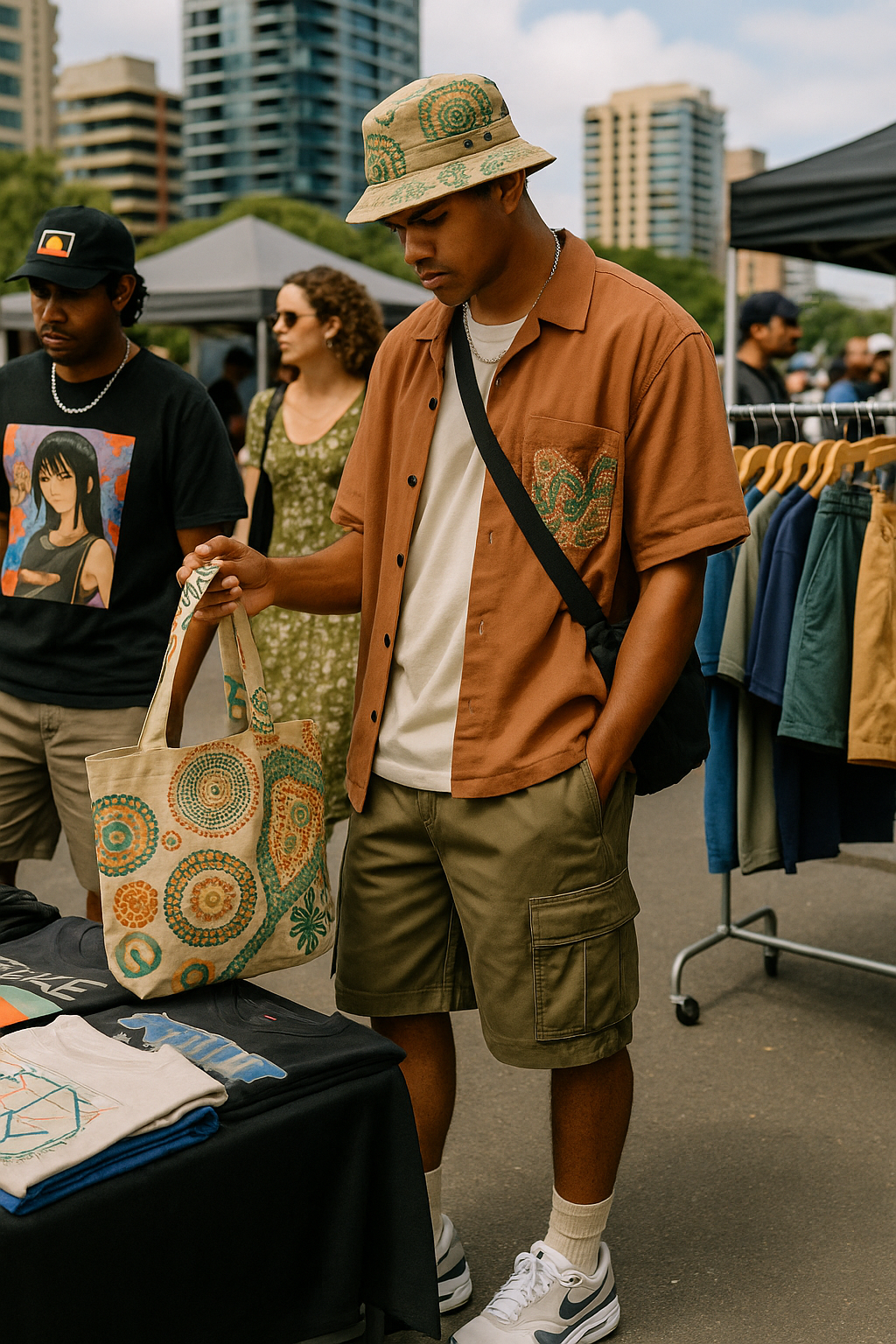
Today, many Australians embrace the nation’s diverse cultural heritage by incorporating elements of Indigenous fashion into contemporary clothing. Aboriginal artists and fashion designers have started to reclaim traditional designs, creating garments and accessories that reflect the beauty of their ancestral heritage. Indigenous fashion designers like Aunty Edna and John and Valerie Moffatt are incorporating Aboriginal art into clothing, offering a fresh perspective on how traditional designs can exist in the modern world.
Fashion shows, like those during NAIDOC Week, celebrate Indigenous craftsmanship, with garments adorned with symbolic designs, textiles, and patterns that tell stories of heritage, country, and spirituality. These events highlight the importance of fashion as a tool for preserving and expressing Indigenous culture.
The Future of Australian Fashion
Australia’s evolving fashion scene continues to reflect a delicate balance between honoring its Indigenous roots and embracing modern, global fashion trends. Designers today are increasingly looking to sustainable practices, including using traditional techniques such as weaving and natural dyes. This focus on sustainability, along with a greater recognition of Indigenous contributions to Australian fashion, ensures that Australia’s clothing future will continue to honor the country’s diverse and rich cultural history.
Incorporating Indigenous influences into mainstream fashion provides an opportunity for Australians to reconnect with the cultural significance of the garments worn by their ancestors. By embracing both tradition and innovation, Australia’s fashion industry can serve as a reflection of the nation’s ongoing journey toward cultural respect and reconciliation.