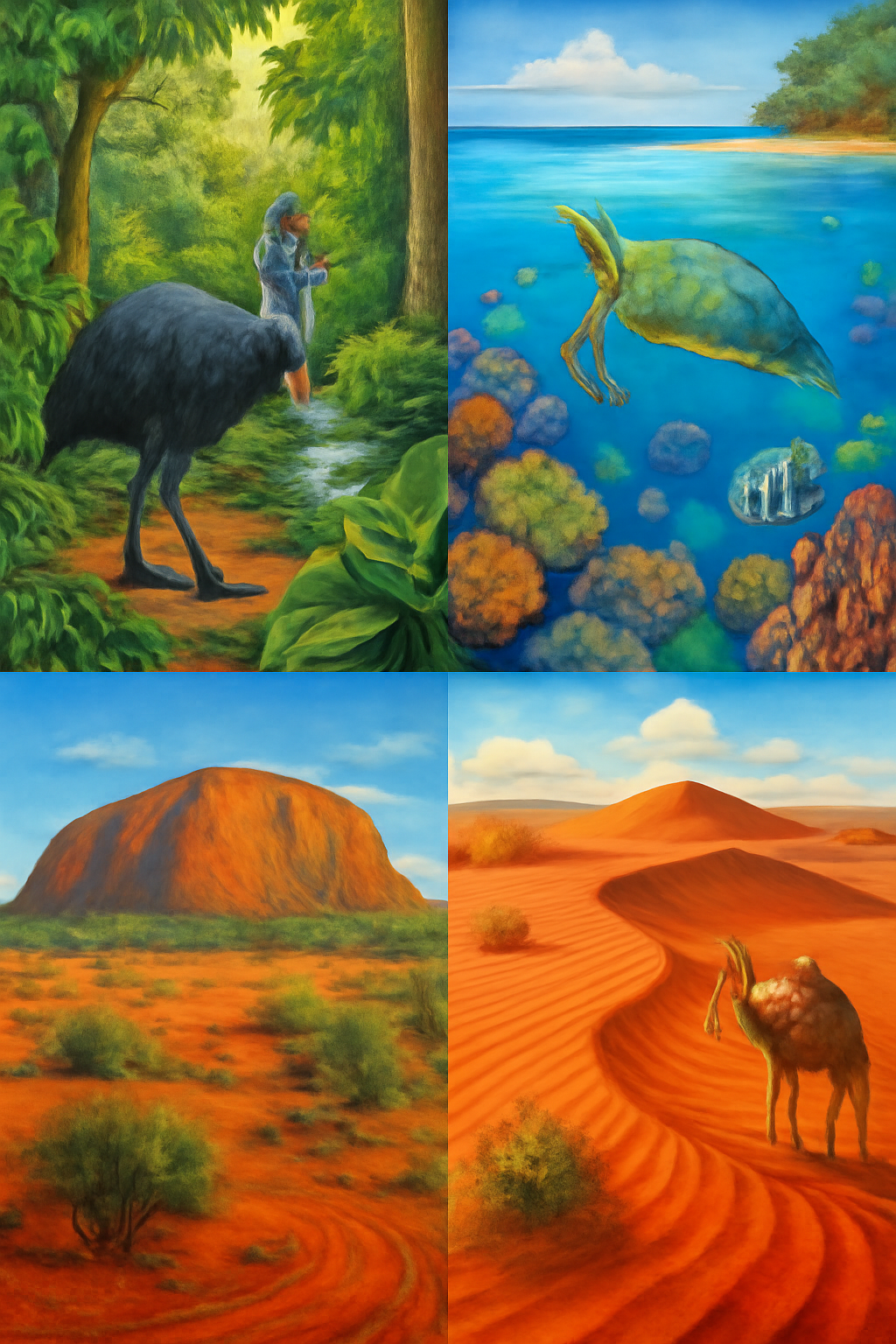
Australia’s unique biodiversity draws nature lovers from around the world. With its vast landscapes, ranging from lush forests to expansive deserts, the country is home to some of the most unusual and fascinating creatures on the planet. Among the most iconic are the koala and kangaroo, but Australia also boasts a wealth of endemic species that offer a glimpse into the world of truly one-of-a-kind animals.
Koalas: The Eucalyptus-Eating Tree-Dwellers
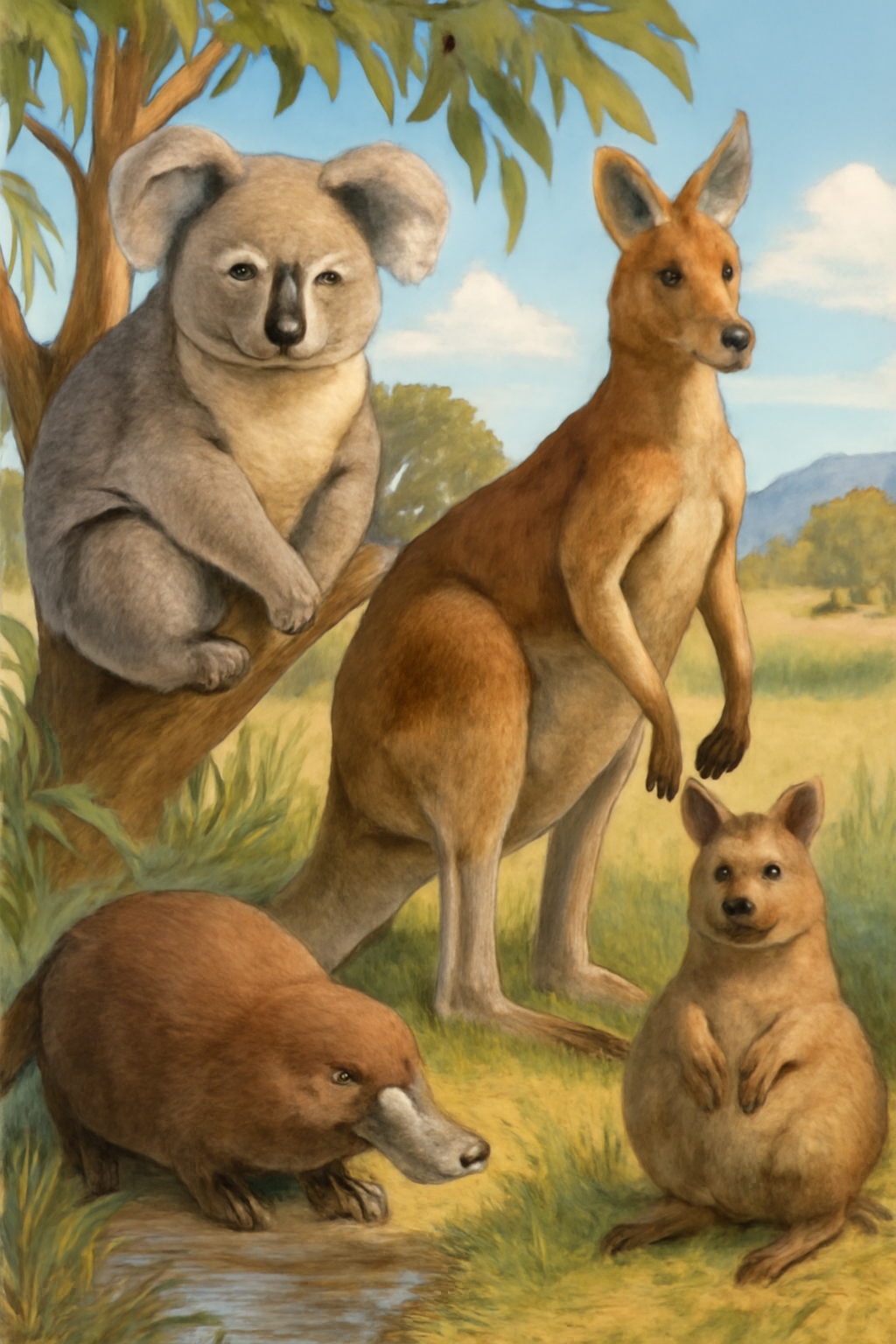
The koala is undoubtedly one of Australia’s most famous animals. With their round faces, fluffy ears, and gentle demeanor, koalas are a symbol of Australian wildlife. These marsupials spend nearly all their lives in eucalyptus trees, feeding exclusively on eucalyptus leaves. Koalas have a slow metabolism and sleep for up to 18 hours a day to conserve energy, making them one of the laziest animals in the world.
Koalas are found along the eastern and southeastern coasts of Australia, primarily in Queensland, New South Wales, Victoria, and South Australia. Although koalas are beloved by Australians and visitors alike, they face significant threats, including habitat destruction, disease, and climate change. Conservation efforts focus on protecting their habitats and ensuring that future generations can continue to enjoy these iconic creatures.
Kangaroos: Jumping Through Australia’s Wild Terrain
The kangaroo is another quintessential Australian animal, known for its powerful legs and distinctive hopping gait. There are several species of kangaroo in Australia, with the red kangaroo being the largest and most well-known. Kangaroos can be seen across much of Australia, especially in the vast open spaces of the outback.
Kangaroos are social animals and typically travel in groups called mobs. Their diet consists mainly of grasses and shrubs, and they play a crucial role in maintaining the health of Australia’s grasslands. They are often seen grazing in the wild, but many visitors to Australia also get the chance to interact with kangaroos in wildlife parks and sanctuaries.
Endemic Species: A Rich Tapestry of Rare Creatures
Australia is home to an extraordinary array of endemic species—animals that are not found anywhere else on the planet. Some of the most fascinating include the platypus, the echidna, and the quokka. The platypus, with its webbed feet and duck-like bill, is one of the world’s most unusual creatures. Found in rivers and streams in eastern Australia, it is an egg-laying mammal, adding to its already unique status in the animal kingdom.
The echidna is another remarkable creature. Known for its spiny coat, the echidna is a solitary animal that digs for insects and small animals. It is one of only five species of monotremes (egg-laying mammals) in the world.
The quokka, a small marsupial, is often described as having a permanent “smile” on its face, making it one of the most photogenic animals on Earth. The quokka is native to Rottnest Island and is so friendly that it’s become a symbol of the island itself.
Other endemic animals in Australia include the sugar glider, the bilby, and the dingo. Each of these species adds to the rich tapestry of Australian wildlife and contributes to the country’s reputation as a haven for unique animals.
Protecting Australia’s Natural Wonders
Australia’s wildlife is under constant threat from human activity, climate change, and invasive species. Habitat destruction, in particular, poses a major risk to many species, as land clearing for agriculture and urban development continues. Conservationists are working hard to protect these animals and their habitats, but much more needs to be done to ensure the survival of Australia’s unique biodiversity.
Visitors to Australia can contribute to conservation efforts by supporting wildlife sanctuaries and ethical tourism practices. By choosing to visit areas that prioritize conservation, tourists can help raise awareness and fund efforts to protect Australia’s incredible wildlife.