In Australia, preventive healthcare is increasingly recognised as a practical and necessary response to the growing impact of disease across the population. Rather than waiting for illness to become severe enough to require hospital treatment, prevention focuses on protecting health, identifying risks early, and helping people maintain wellbeing over time. This approach is especially valuable in reducing the national burden caused by chronic diseases, which account for a large share of disability, premature death, and healthcare costs.
The burden of disease in Australia is shaped not only by medical conditions themselves but also by the factors that lead to them. Many common illnesses are associated with behaviours and exposures that can be modified. Smoking, poor diet, insufficient exercise, harmful alcohol consumption, and obesity contribute significantly to diseases such as stroke, heart disease, chronic kidney disease, some cancers, and type 2 diabetes. Preventive healthcare seeks to interrupt this pattern by addressing risk factors before long-term damage occurs.
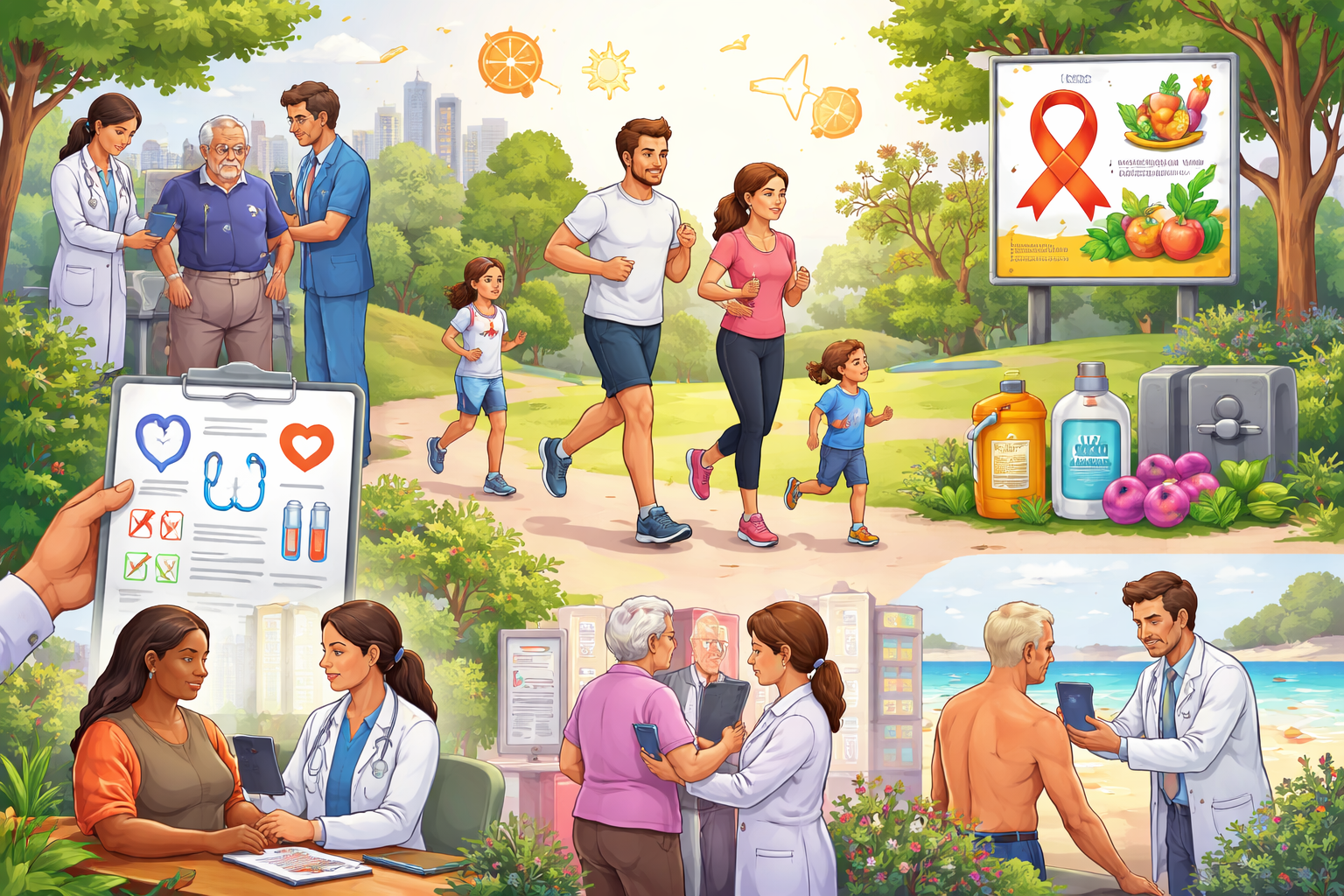
One of the biggest strengths of the Australian system is the role of primary healthcare in prevention. General practitioners, nurses, allied health professionals, and Aboriginal health workers all contribute to early intervention. They provide health checks, advice on diet and physical activity, smoking cessation assistance, and ongoing monitoring for people at higher risk. Regular visits to a primary care provider can lead to earlier diagnosis and better disease management, which reduces complications and improves outcomes.
Vaccination remains one of the most visible and effective preventive measures in Australia. Through public immunisation programs, people across different age groups can access protection against a range of infectious diseases. Vaccines reduce illness, prevent outbreaks, and lower the need for hospital care. They also protect communities collectively, especially those who are medically vulnerable. High immunisation uptake is a strong example of how public health prevention can reduce disease burden at a national scale.
Screening is another essential strategy. Australia’s national screening efforts for breast, bowel, and cervical cancer are designed to identify abnormalities before symptoms appear. Early detection often means treatment is less invasive, more successful, and less expensive. Preventive screening is not limited to cancer. Blood pressure measurement, cholesterol checks, diabetes screening, and mental health assessments all play an important role in finding issues early and avoiding more serious consequences later.
Health promotion campaigns have also contributed to major public health gains. Australia’s long-running anti-smoking policies show how prevention can reshape behaviour and improve health over generations. Public messaging around sun protection has also been crucial because skin cancer remains highly relevant in the Australian climate. More recently, there has been greater attention on healthy eating, reducing sedentary behaviour, and supporting mental wellbeing, particularly in schools and workplaces.
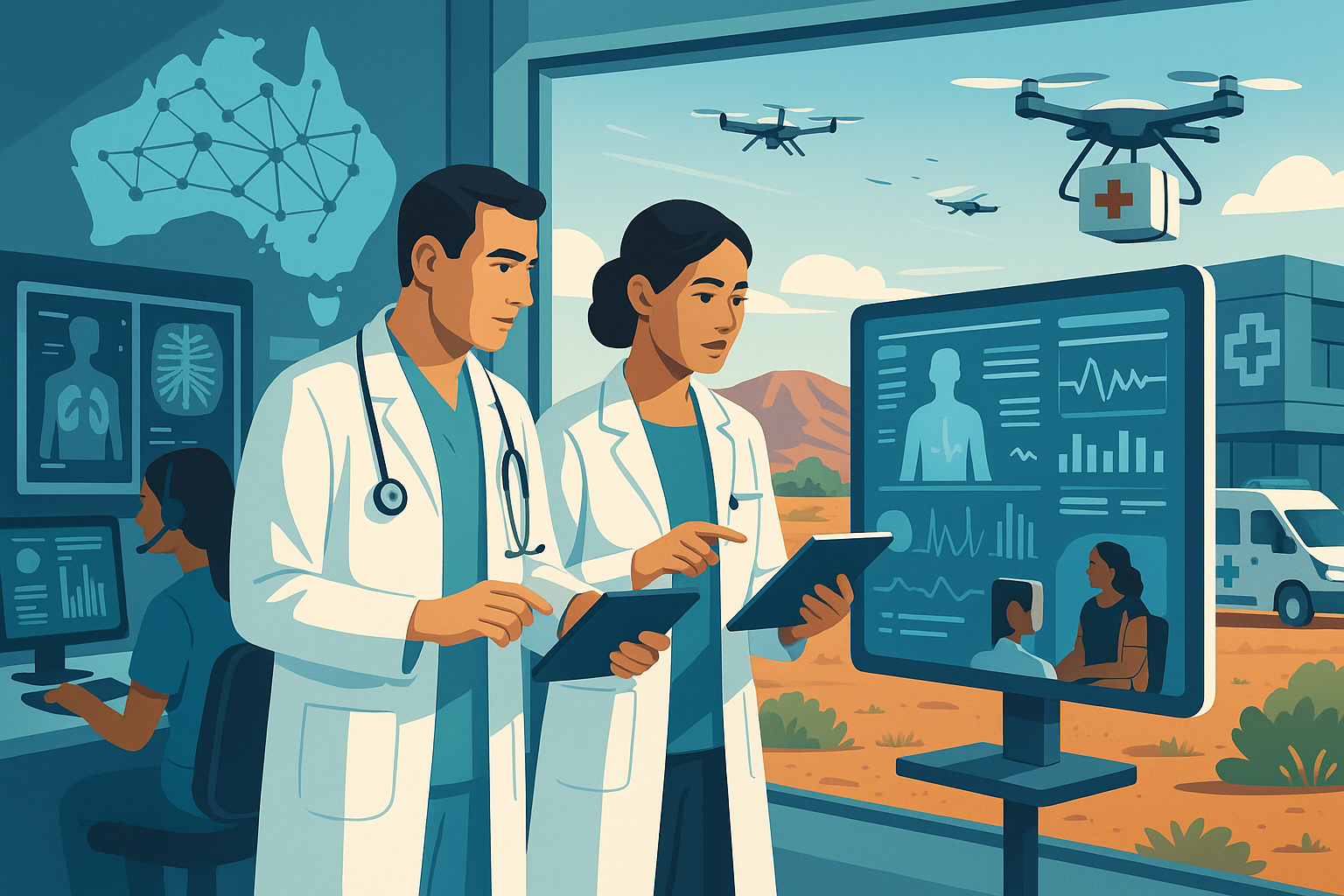
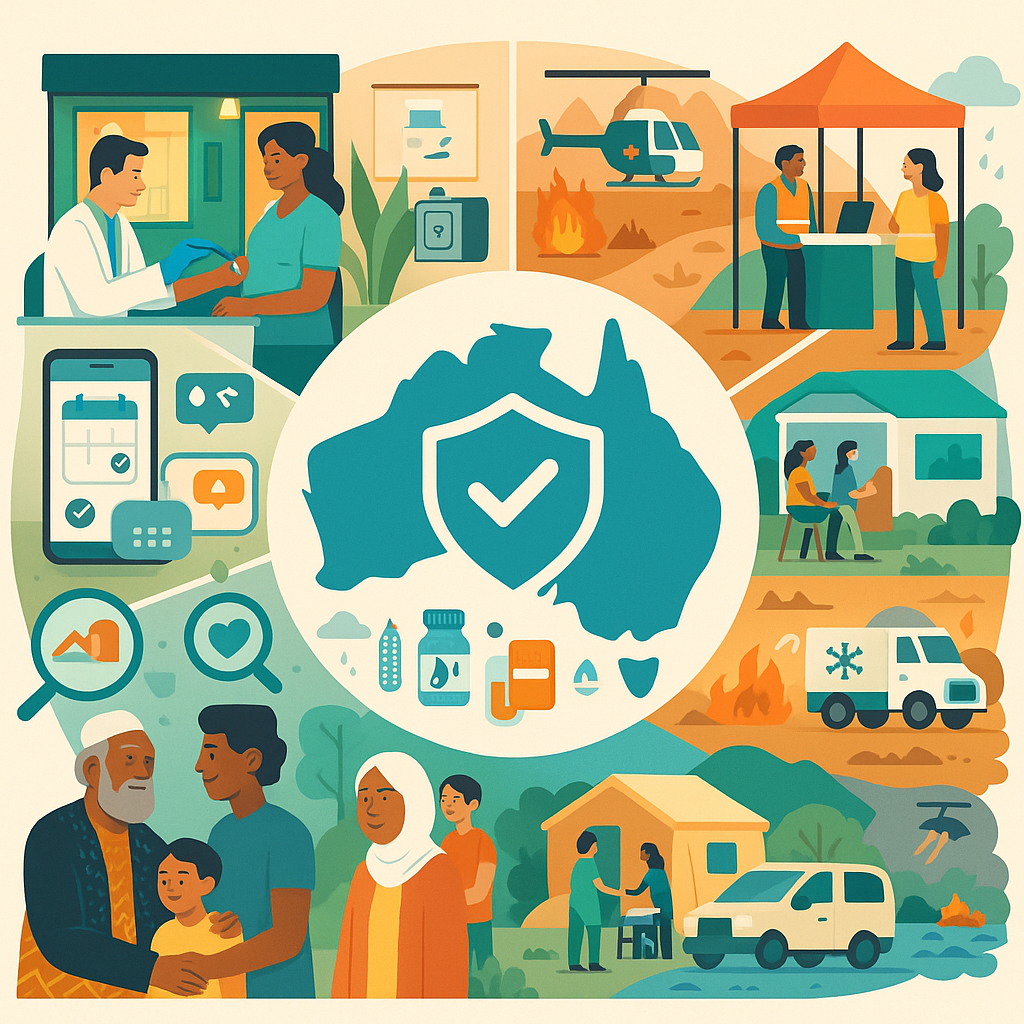
However, the benefits of preventive healthcare are not distributed evenly. People living in rural and remote regions often face workforce shortages and limited service availability. Aboriginal and Torres Strait Islander peoples continue to experience disproportionate health challenges due to historical disadvantage, systemic inequality, and barriers to culturally responsive care. Lower-income populations may also find it harder to access healthy food, transport, regular check-ups, or stable housing. These realities mean prevention must be tailored, inclusive, and supported by broader social policy.
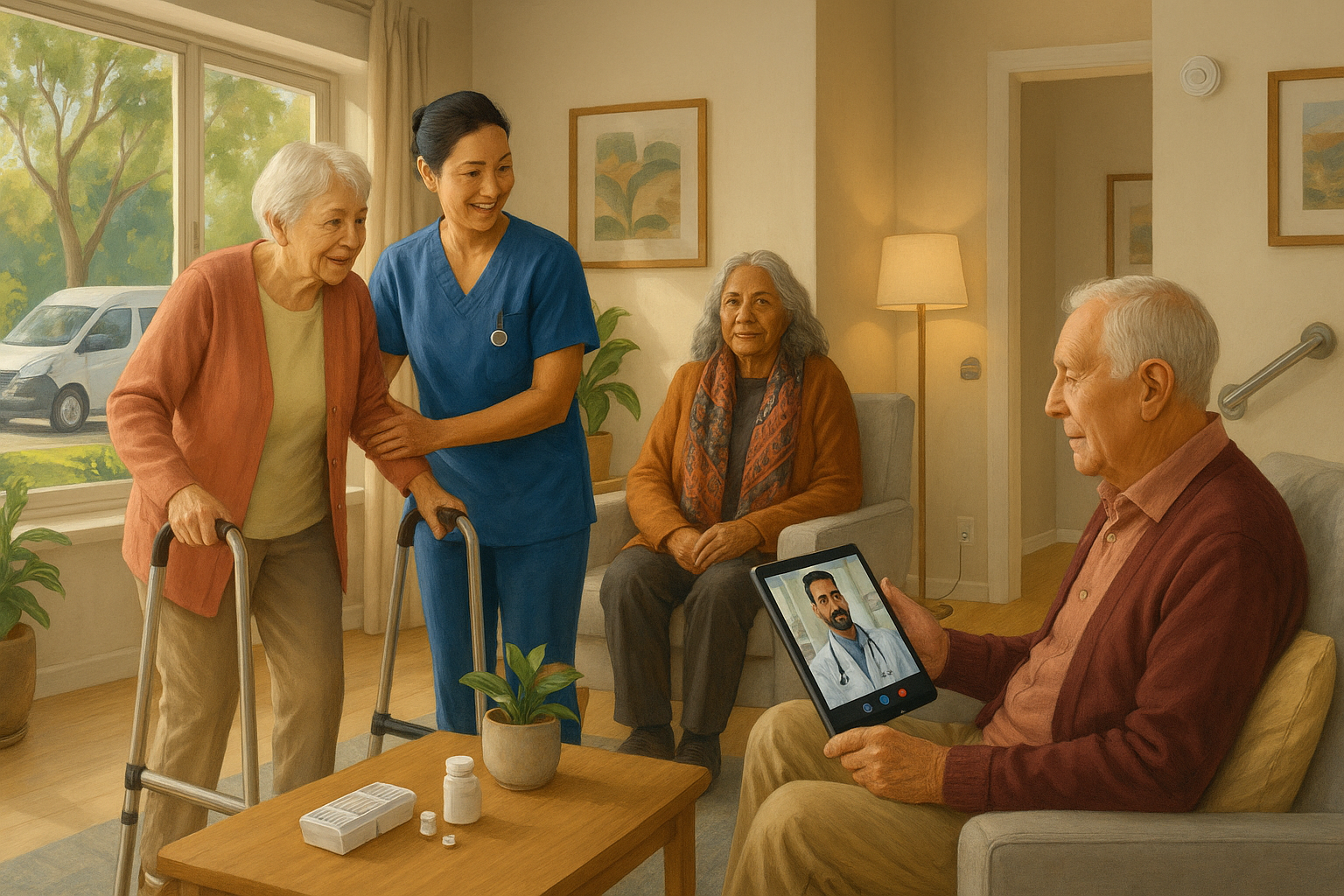
Stronger investment in preventive healthcare can reduce future pressure on Australia’s hospitals and specialist services. It can also improve productivity, increase life expectancy, and support healthier ageing. Prevention is not simply a public health ideal; it is a practical pathway to reducing avoidable disease and building a more sustainable healthcare system for the future.