Streetwear in Australia isn’t a trend; it’s a system of signals powered by cities and pop culture. You can read it like a map: coastal suburbs lean into airy cuts and nostalgic surf graphics; inner‑north precincts mix art‑school minimalism with thrifted workwear; outer‑west boroughs embrace athletic silhouettes and bold branding tied to hip‑hop communities. Every district contributes a dialect.
Music is the loudest speaker. Western Sydney drill, Brisbane hip‑hop, and Melbourne’s electronic collectives shape the way fits come together: heavyweight hoodies under tech shells, track pants with crisp sneakers, oversized tees paired with sharp accessories. Merch is no longer an afterthought; it is wardrobe infrastructure. Limited‑run tees and hoodies funnel community identity into wearable form, often produced with higher‑quality blanks and screen‑printing that honors local typography and color stories.
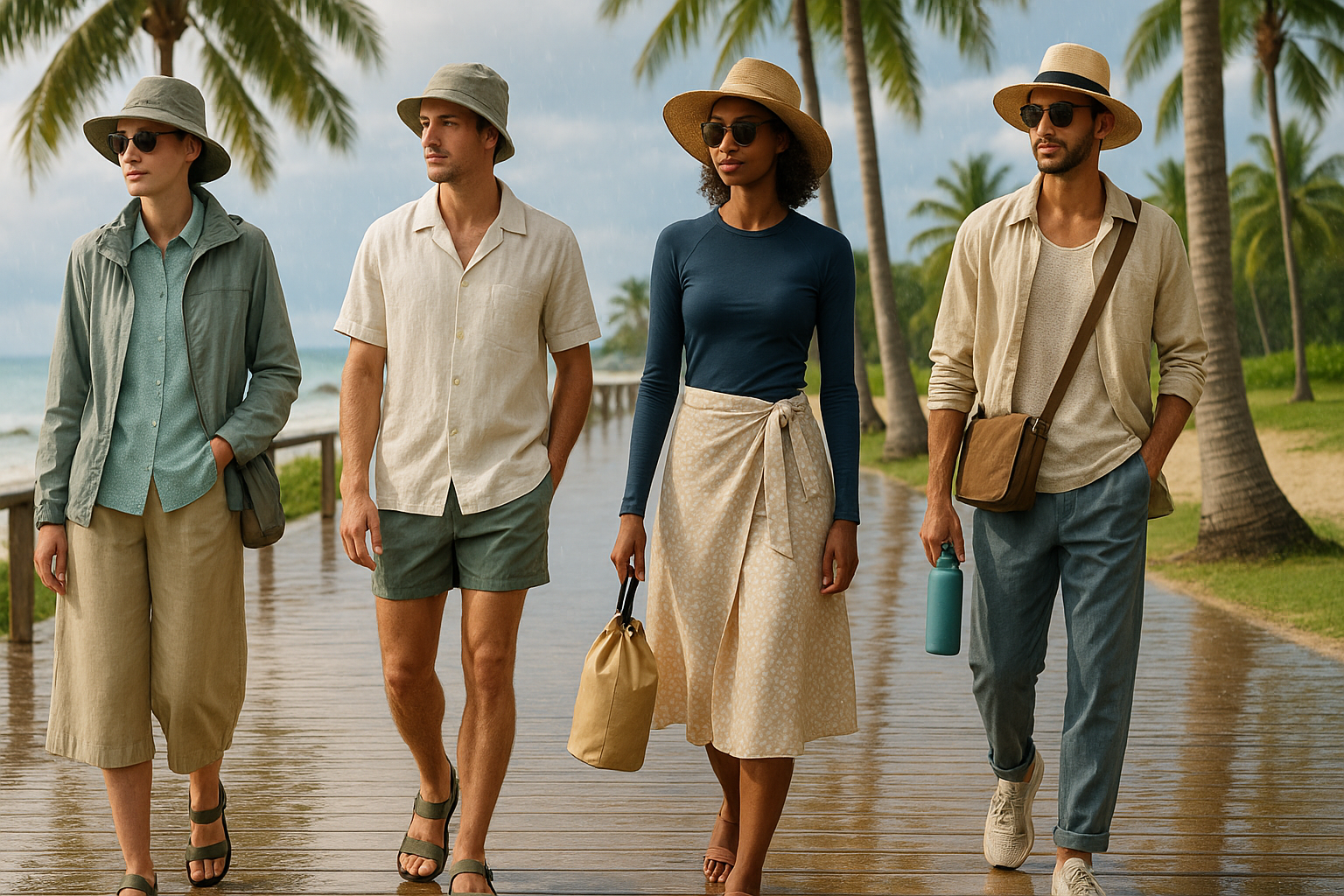
Social media accelerates this circulation. Instagram carousels, TikTok fit checks, and Discord drop alerts mean that global inspirations—K‑hip‑hop layering, UK roadman pragmatism, Japanese fabric finesse—can be localized overnight. Australian creators adapt for climate and pace of life: breathable knits, wide shorts, and sun‑friendly hats; or, in cooler cities, fleece vests and rugged boots. This is where pop culture meets meteorology.
Sneaker culture gives structure. Rotations feature iconic Air Jordan lines, retro runners, and collaborative pairs with regional connections. Consignment spaces serve as cultural hubs offering raffles, customization workshops, and restoration services. Knowledge around silhouettes, cushioning tech, and leather grades bonds communities that might never meet otherwise.
Local brands carry heavy influence. Some elevate garment construction—chain‑stitched denim, custom dyes, recycled nylon cargoes—while others lead visually with graphics referencing Australian streetscapes, public transit, and slang. Sustainability is more than a buzzword: recycled fibers, deadstock reworks, and transparent supply chains appeal to a generation raised on climate realities. Function is not sacrificed; cargo pockets, zip‑off panels, and packable outerwear match a lifestyle built around bikes, trains, and long days.
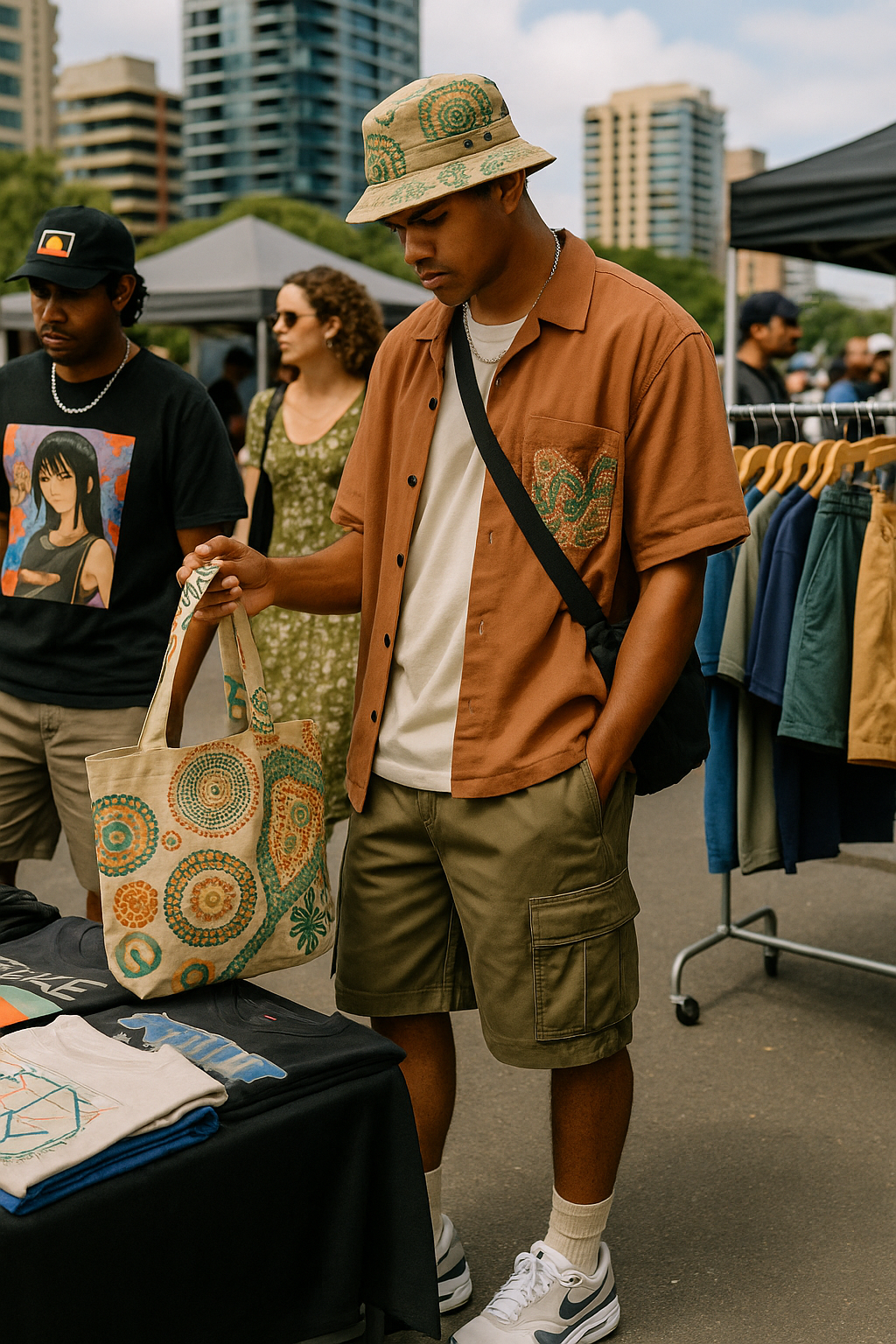
Australian streetwear also reflects cultural plurality. First Nations artists collaborate on prints and patterns that tell specific stories, widening the aesthetic vocabulary while centering consent and credit. Communities from the Pacific, South and Southeast Asia, the Middle East, and Europe inject color choices, drapes, and jewelry traditions that complicate the single‑origin myth of style.
Retail and events keep momentum. Pop‑up markets, listening parties paired with capsule drops, and gallery shows double as social calendars. Even cafés function as mini‑showrooms, stocking zines and limited tees. The point isn’t exclusivity but connection—streetwear as a tool to recognize your people from across the platform.
Read this system closely and you’ll see an ethos: durable pieces, clever layering, and a preference for silhouettes that move with the body. It’s pop culture made wearable—edited through Australian weather, tempo, and humor—resulting in a look that feels at once familiar and distinctly local.