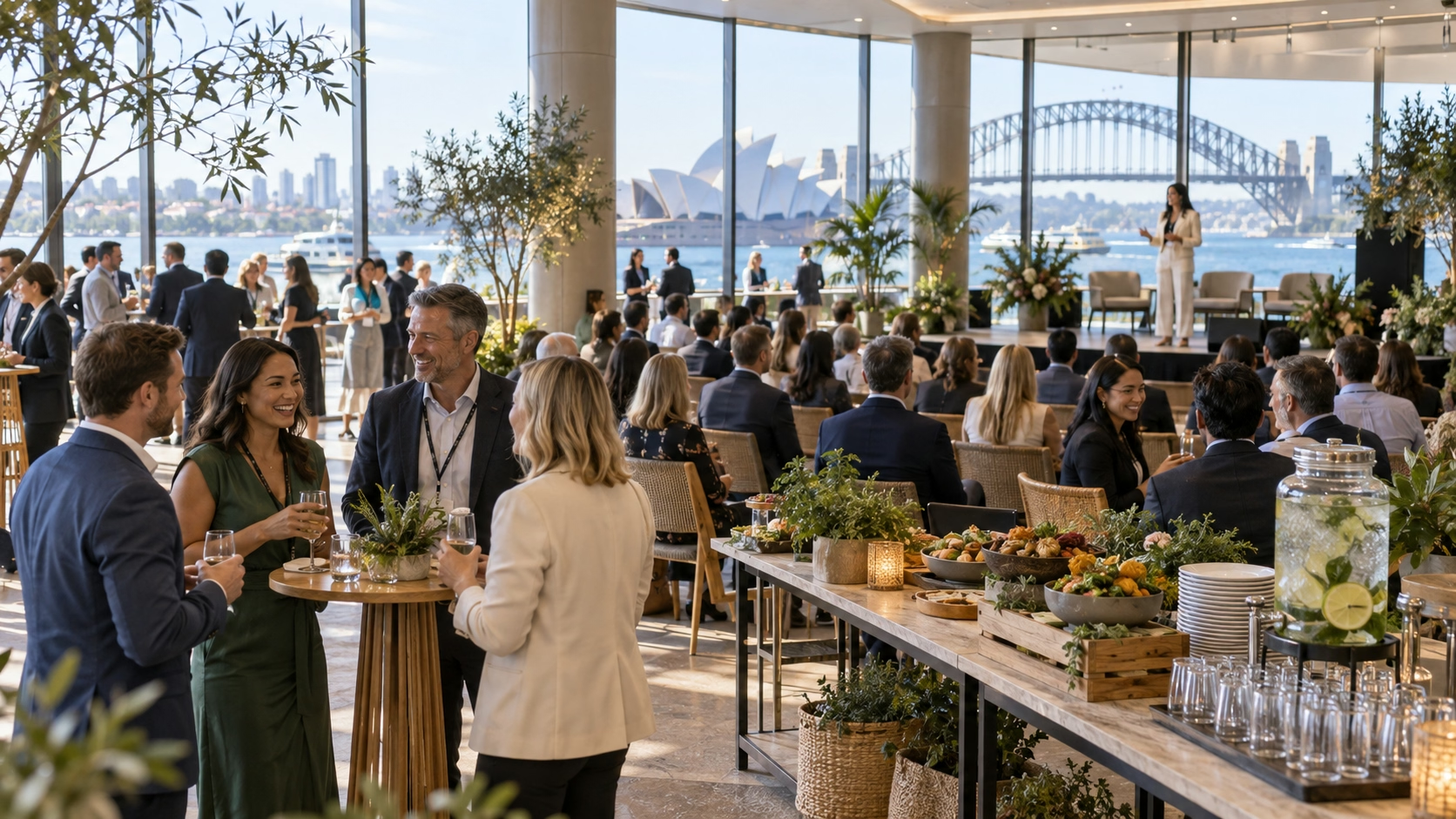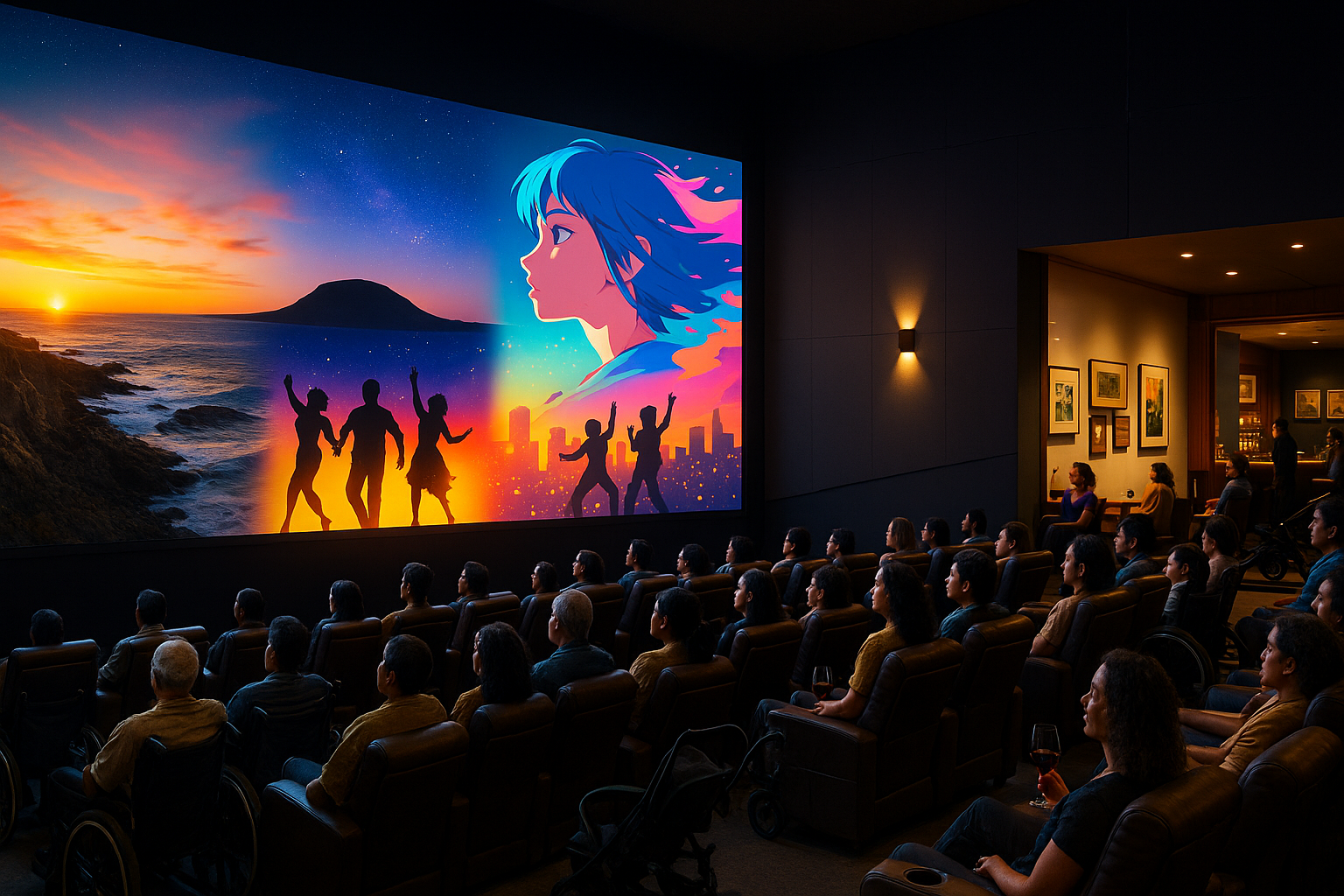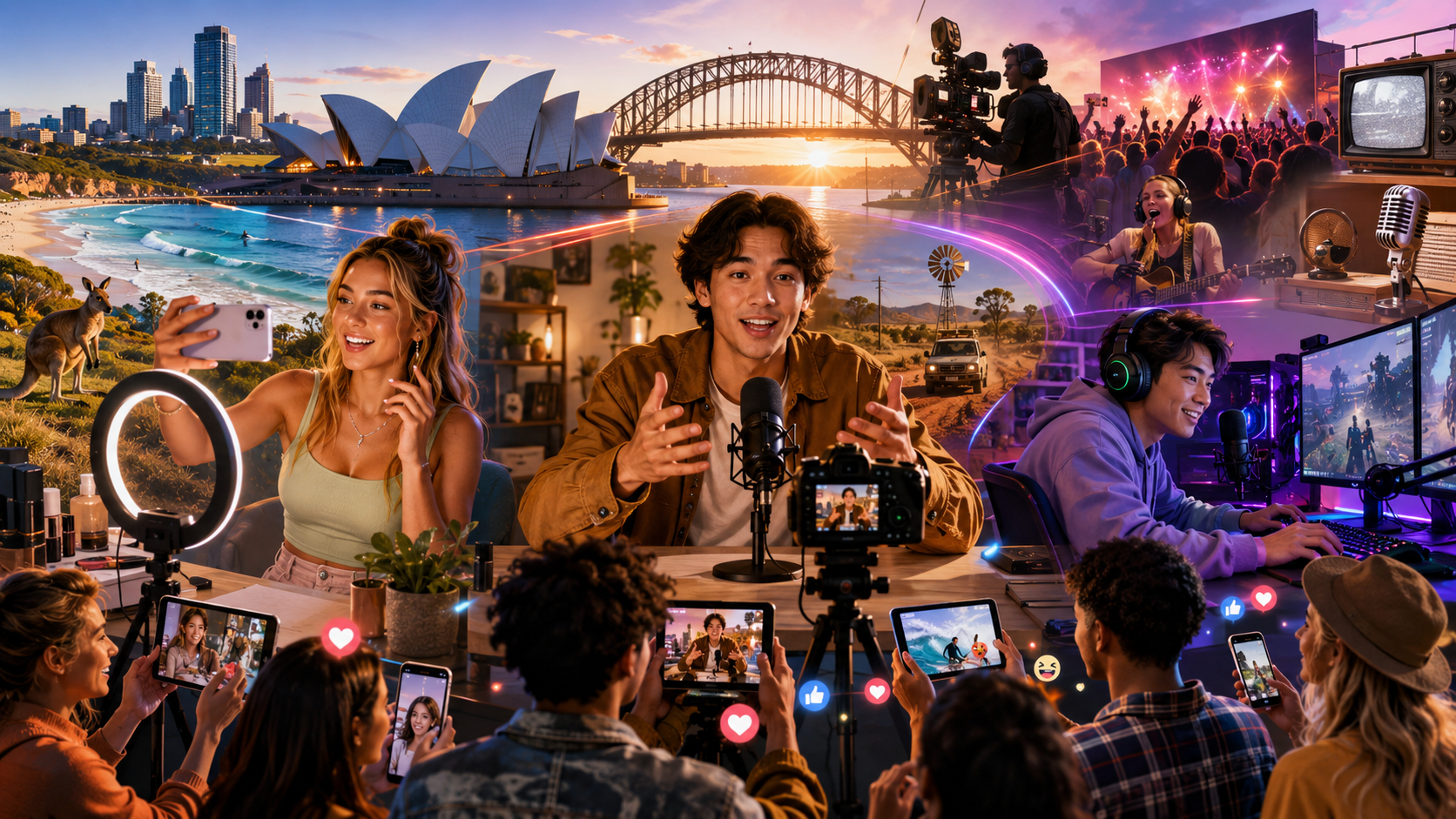
The rise of influencers and YouTubers has changed the way entertainment works in Australia. Instead of depending only on television, cinema, radio, and celebrity news, many Australians now turn to online creators for humour, lifestyle inspiration, reviews, music discovery, gaming content, and cultural commentary. These creators have become central figures in the digital entertainment environment because they communicate directly with audiences and produce content that feels personal, fast, and relevant.
A key reason influencers are so effective is their connection with followers. Traditional celebrities are often seen from a distance, but influencers usually build their popularity through regular interaction. They reply to comments, share personal updates, ask for audience opinions, and create content based on what viewers request. This relationship creates a sense of community. For Australian audiences, especially younger viewers, following an influencer can feel less like watching a star and more like keeping up with a familiar personality.
YouTubers contribute strongly to this environment through video storytelling. YouTube allows creators to build entertainment formats that do not always fit mainstream media. Australian YouTubers may produce comedy videos, travel diaries, reaction content, fitness challenges, food reviews, interviews, or educational entertainment. Because the platform supports both short and long videos, creators can experiment with different styles. Some build polished productions, while others rely on casual filming and natural conversation. Both approaches can attract loyal viewers.
Influencers also act as cultural filters. With so much entertainment available, audiences often need guidance on what to watch, buy, listen to, visit, or experience. A trusted creator can introduce followers to a new Australian musician, recommend a streaming series, review a festival, or showcase a local café or tourist destination. In this way, influencers help decide which products, events, and cultural moments receive public attention.
The business side of entertainment has also changed. Australian brands and media companies increasingly work with digital creators because influencers can reach specific audiences more precisely than broad advertising. A company promoting a new film might partner with entertainment reviewers. A tourism board might work with travel vloggers. A fashion label might collaborate with lifestyle creators. These partnerships are valuable because influencers understand their audience’s language, humour, and expectations.
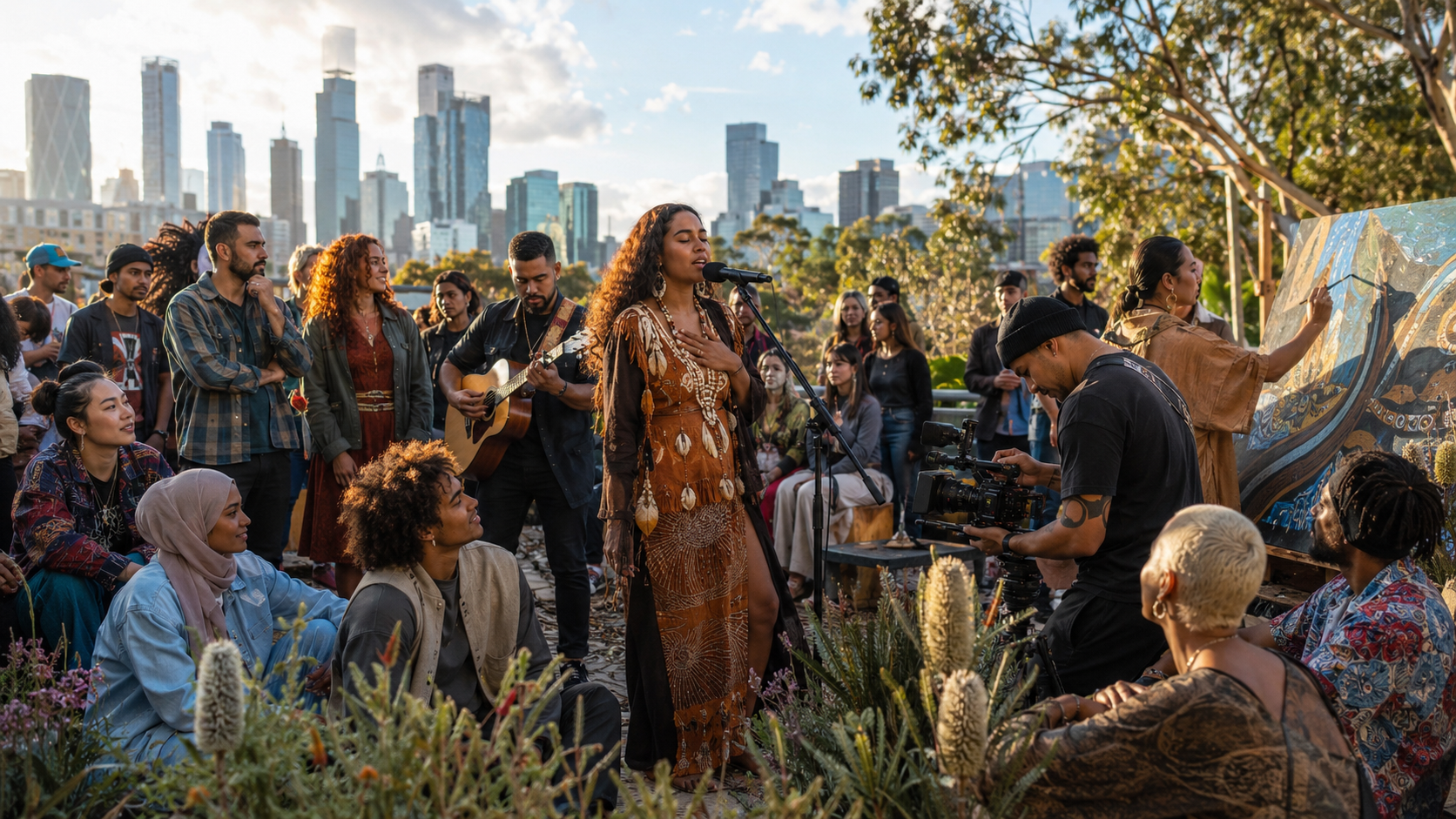
Another important impact is representation. Online platforms have made it easier for Australians from different backgrounds to share their stories. Creators from migrant communities, regional towns, Indigenous communities, disability communities, and diverse gender and sexuality groups can reach viewers without needing permission from traditional gatekeepers. This has expanded the meaning of Australian entertainment and allowed more people to see themselves reflected online.
At the same time, the influence of creators must be handled carefully. Audiences can be affected by unrealistic beauty standards, luxury lifestyles, and constant comparison. There is also a risk when sponsored posts are not clearly identified. Responsible influencers need to be open about paid partnerships and aware of the power they hold over viewers, especially younger audiences.
Influencers and YouTubers are now part of the mainstream entertainment system in Australia. They promote trends, support businesses, create communities, and give audiences new forms of digital storytelling. Their success shows that entertainment is no longer only about professional studios and famous celebrities. It is also about relatable voices, online creativity, and the ability to connect with people in real time.