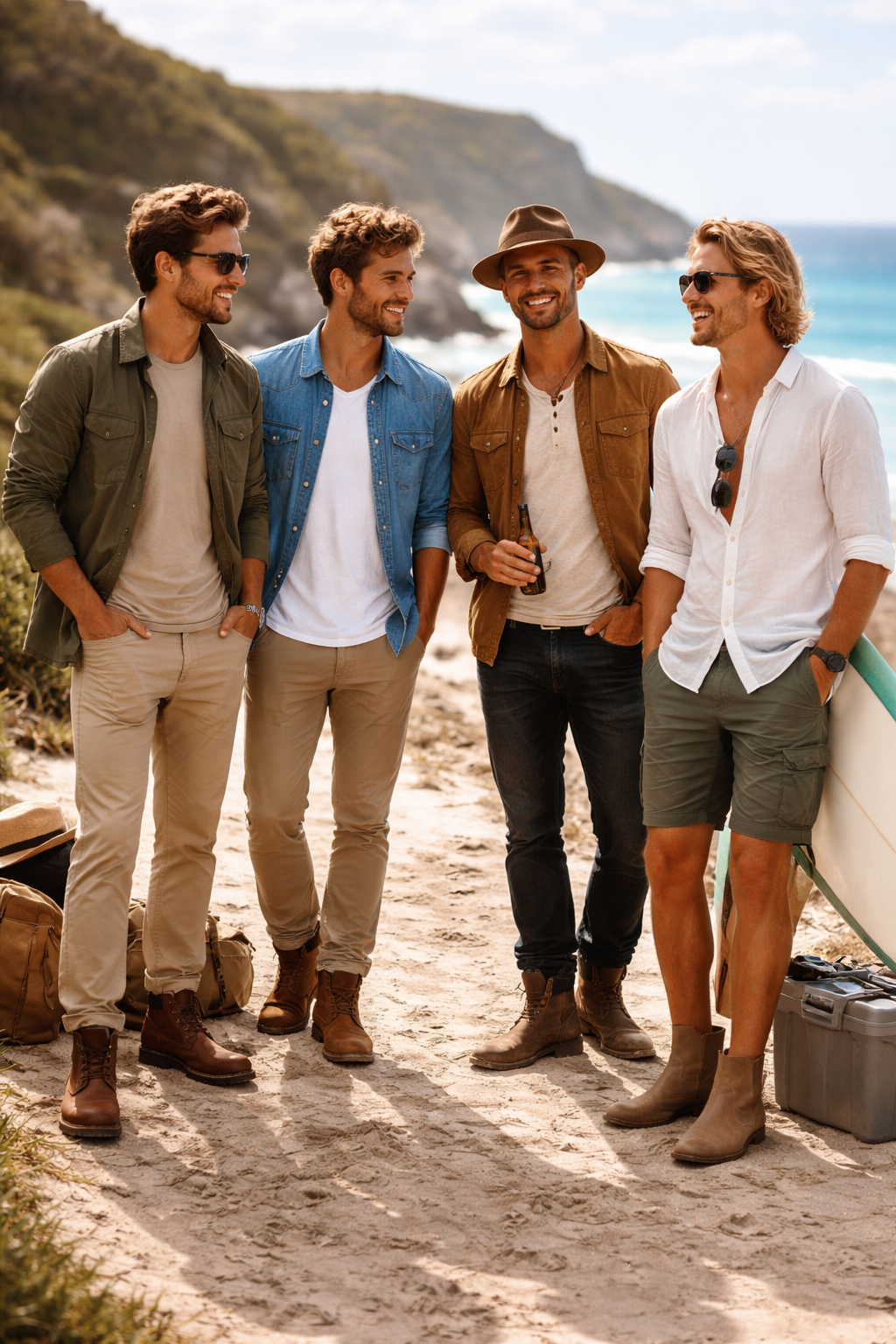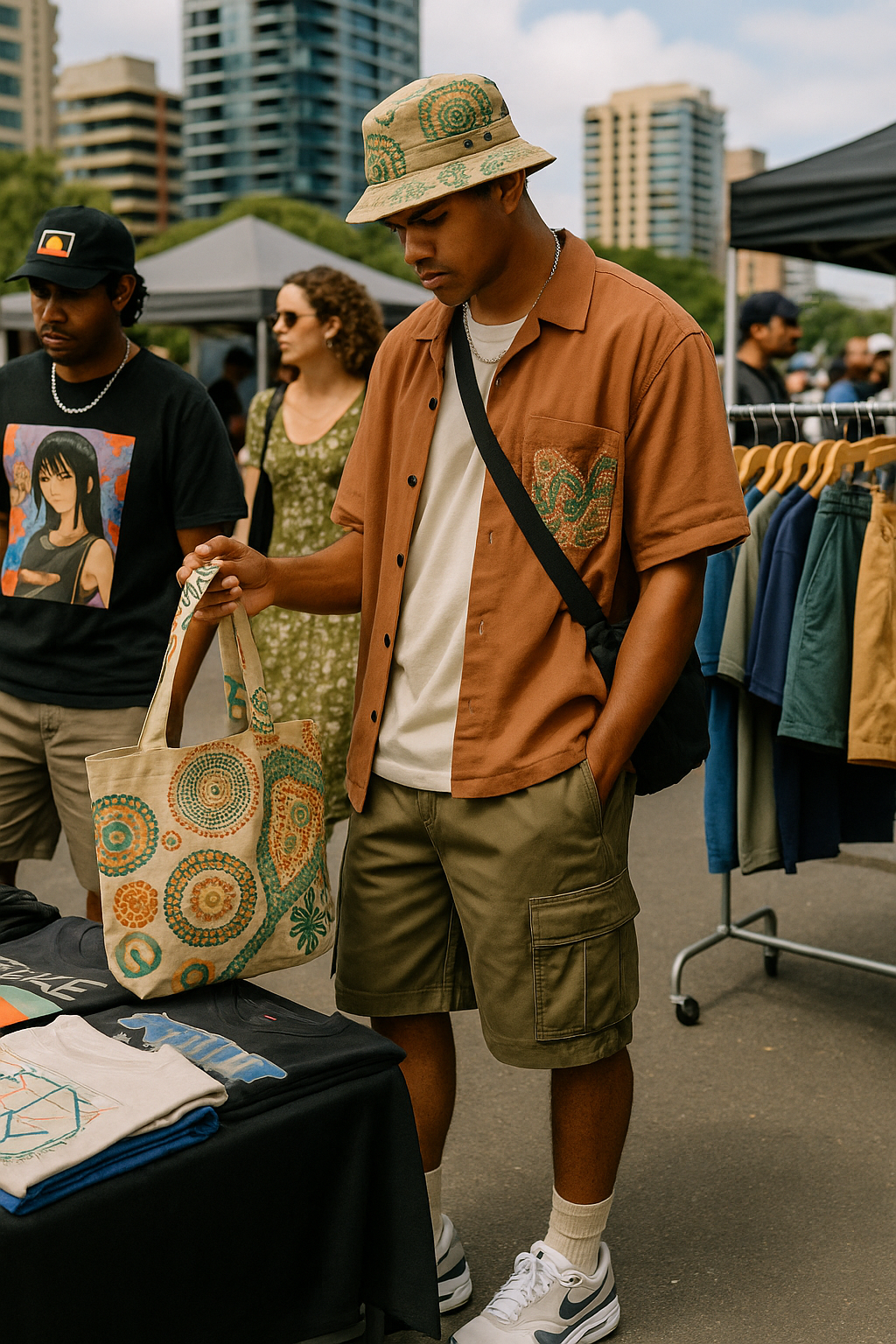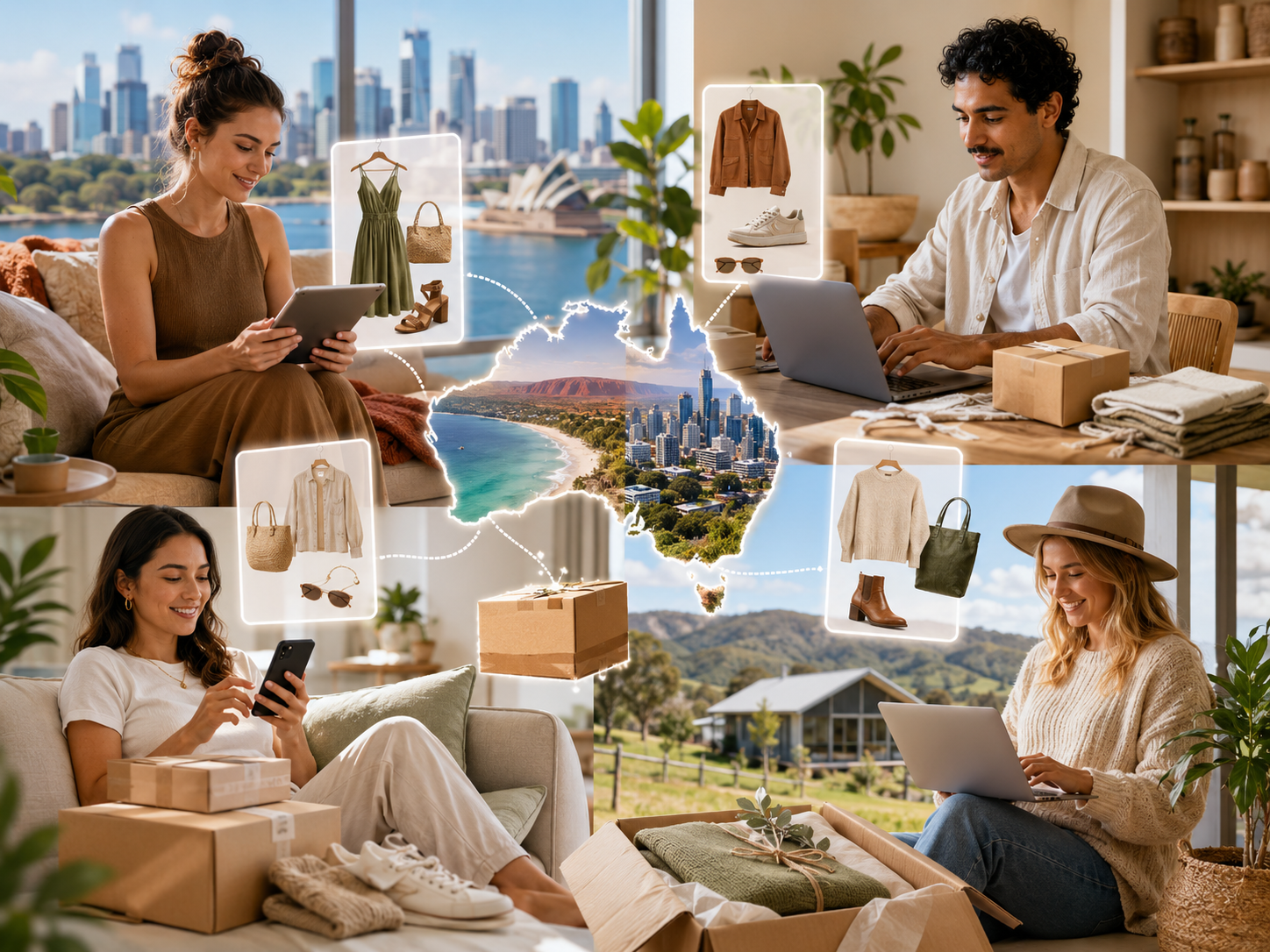
The fashion industry in Australia has experienced a major shift due to the rapid growth of e-commerce. Online shopping is no longer just an alternative to visiting physical stores; it has become a central part of how Australians discover, compare, and purchase fashion products. From everyday basics to designer pieces, e-commerce allows consumers to shop with greater comfort, speed, and variety.
Australia’s geography makes e-commerce especially valuable. Many people live far from large shopping centres or premium retail districts, and travelling to stores can take time and effort. Online fashion platforms remove this barrier by bringing products directly to customers, regardless of location. Someone living in a regional town can access similar fashion options to someone shopping in the centre of Melbourne or Sydney.
The convenience of digital shopping is one of its strongest benefits. Consumers can explore clothing collections, check prices, read product descriptions, and place orders without leaving home. This is particularly helpful for busy professionals, parents, students, and anyone who wants a faster shopping experience. With delivery services becoming more efficient, customers can receive fashion items at their doorstep, often within a short period.
E-commerce also improves price transparency. In physical stores, comparing prices across different brands can be time-consuming. Online, shoppers can quickly open multiple websites, check discounts, compare product quality, and read reviews from other buyers. This gives consumers more control over their spending and encourages retailers to offer better value.
Australian fashion brands have also benefited from the digital marketplace. Instead of depending only on store traffic, brands can build online communities through websites, email newsletters, search engines, and social media. Digital platforms allow fashion companies to present their identity more clearly through styling guides, lookbooks, videos, blog content, and customer stories. This helps brands create stronger emotional connections with shoppers.
Social media has become a powerful bridge between fashion and e-commerce. Many Australians discover new outfits through influencers, brand campaigns, and user-generated content. A customer may see a dress styled on Instagram, watch a TikTok review, then visit the retailer’s online store to buy it. This journey shows how fashion shopping has become more visual, immediate, and interactive.
Another important impact of e-commerce is the expansion of niche fashion markets. Online platforms make it easier for consumers to find plus-size fashion, modest clothing, gender-neutral designs, sustainable apparel, handmade accessories, and locally produced garments. Physical stores may not always carry these specialised categories, but online businesses can serve smaller customer groups more effectively.
Despite these advantages, online fashion retailers must address customer concerns. Fit, fabric feel, colour accuracy, and product quality can be difficult to judge through a screen. Successful businesses reduce this uncertainty by providing high-quality images, videos, detailed measurements, return options, and honest customer feedback. Trust is one of the most important elements of online fashion shopping.
The digital fashion environment is also encouraging more sustainable choices. Many Australian consumers are interested in ethical labels, resale platforms, and slow fashion. E-commerce helps these options become more visible and accessible.
The growth of e-commerce has made fashion shopping in Australia more flexible, inclusive, and efficient. It has changed consumer expectations and pushed brands to become more innovative, transparent, and responsive.