Gaming Is No Longer a Separate Entertainment Category
Australia’s video game industry in 2026 cannot be understood simply by counting game sales.
Gaming now overlaps with streaming, social media, music, live events and online communities. A person may play a title, watch another player broadcast it, discuss it on social platforms and purchase related merchandise.
This creates a new entertainment model in which audiences are both consumers and participants.
The scale of the cultural shift was already visible in the Australia Plays 2023 research conducted by the Interactive Games & Entertainment Association and Bond University. The study reported that 81 percent of Australians played video games.
Study details are available at:
The figure is important because it shows that gaming had become mainstream well before 2026. Its influence now extends across age groups and household types.
Players Are Also Viewers and Creators
One Game Can Support Several Forms of Entertainment
Traditional media has usually separated production from consumption. A studio creates a film, and an audience watches it.
Games operate differently.
Players create videos, guides, livestreams, speedruns, fan art and online discussions. A title may attract viewers who rarely play it themselves but enjoy the personalities and communities built around it.
This expands the commercial ecosystem. Streamers and video creators can help a relatively small project reach audiences that conventional advertising might not deliver.
For Australian developers, this has strategic importance. A game with a strong visual identity or surprising mechanics can generate social content far beyond the studio’s own marketing campaign.
Local Successes Demonstrate the Power of Shareable Ideas
Australian games such as Cult of the Lamb and Unpacking offer two different examples.
Cult of the Lamb has a striking visual concept that works well in clips, fan art and merchandise. Unpacking turns ordinary household objects into a story, encouraging players to discuss the personal meaning of each room and item.
Neither game depends on the production scale of the world’s biggest franchises.
Their success highlights a major change in entertainment: cultural visibility can come from a strong concept and an engaged community, not only from a huge advertising budget.
Games Compete for Time, Not Just Money
The most significant effect on other entertainment industries is competition for attention.
A streaming series may require several hours to complete. A game can remain part of a person’s routine for weeks, months or years.
This forces film, television and digital media companies to think more carefully about engagement.
Interactive entertainment gives audiences agency. Players make choices, explore environments and sometimes create their own stories.
That level of participation has raised expectations across the entertainment market.
Opportunities Extend Beyond the Screen
Gaming culture also creates demand for physical experiences.
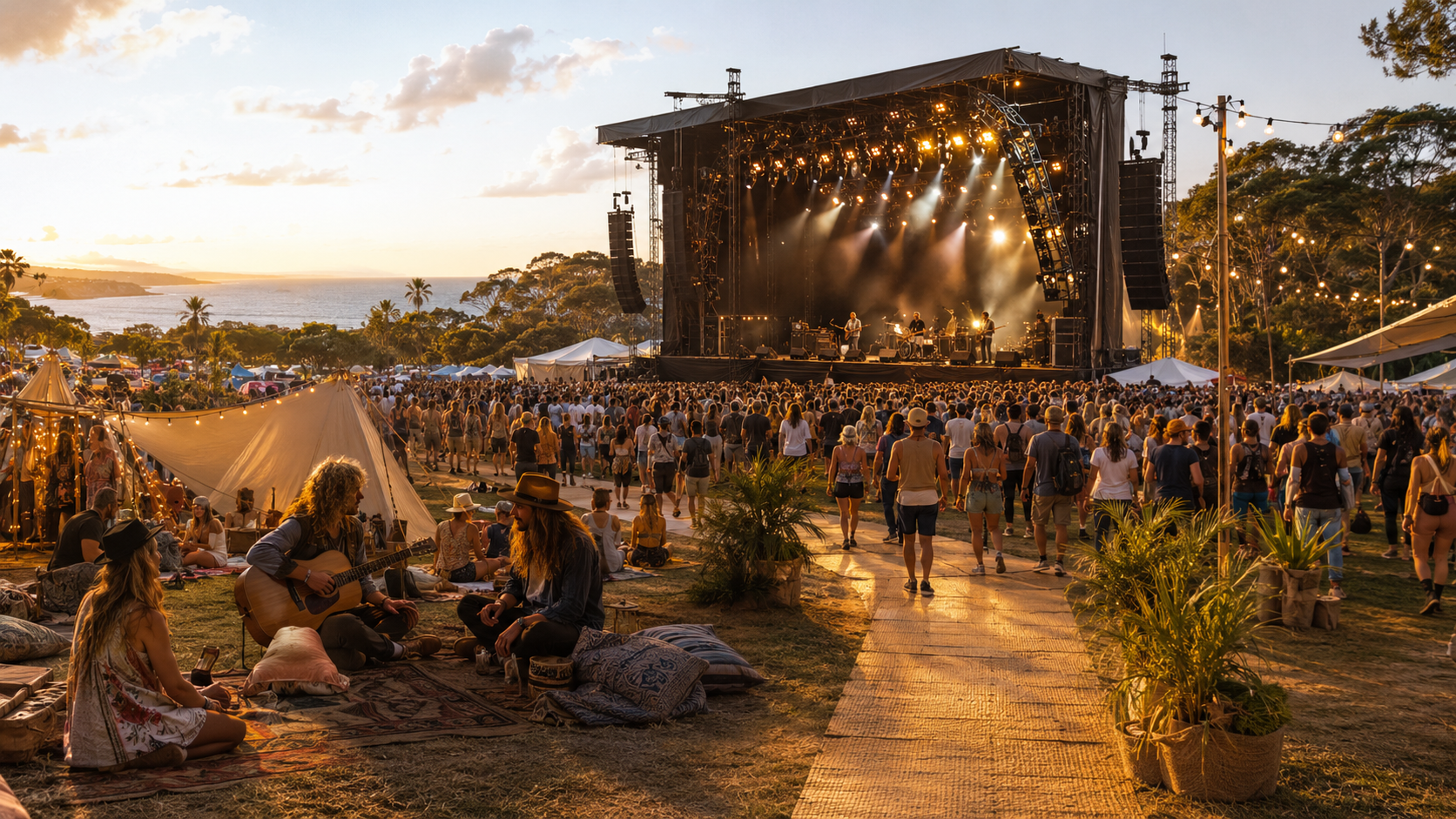
Esports competitions, conventions, developer showcases and community events bring digital audiences into real-world venues. These events can support tourism, hospitality, sponsorship and local creative businesses.
The strongest entertainment strategies increasingly connect online and offline participation.
Australia’s Advantage Is a Connected Audience
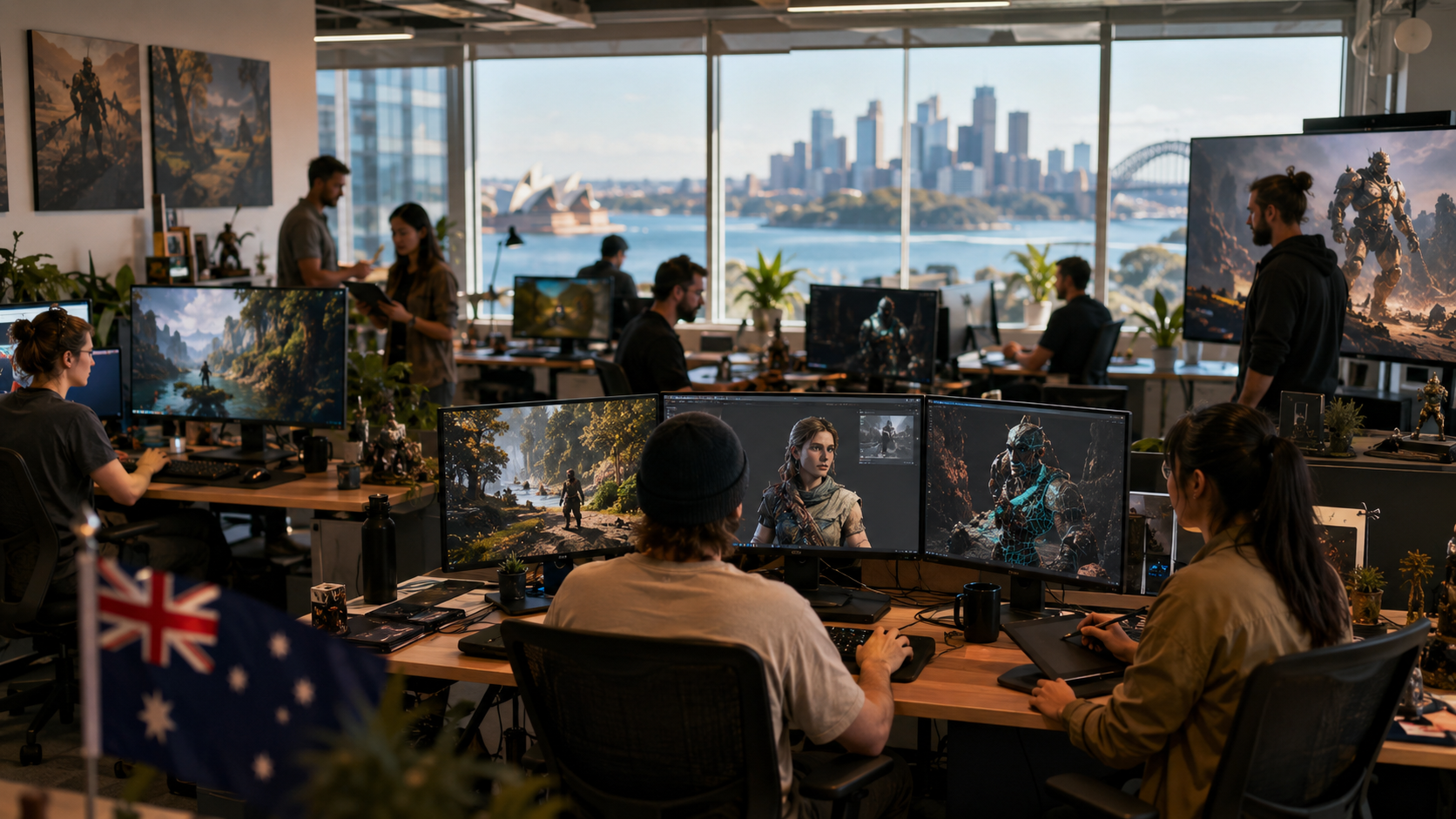
Australia has a large gaming audience, internationally recognised developers and a growing policy framework for game production.
The challenge in 2026 is converting those strengths into sustainable cultural and commercial value.
Studios must build communities without becoming completely dependent on social media algorithms. Creators must manage changing platforms. Entertainment companies must also understand that gaming audiences are diverse rather than a single demographic group.
The wider message is clear: video games are no longer competing from the edge of Australian entertainment.
They are helping define its future.
The companies that understand this shift will treat players not only as customers but as viewers, creators, community members and active participants in the entertainment experience.