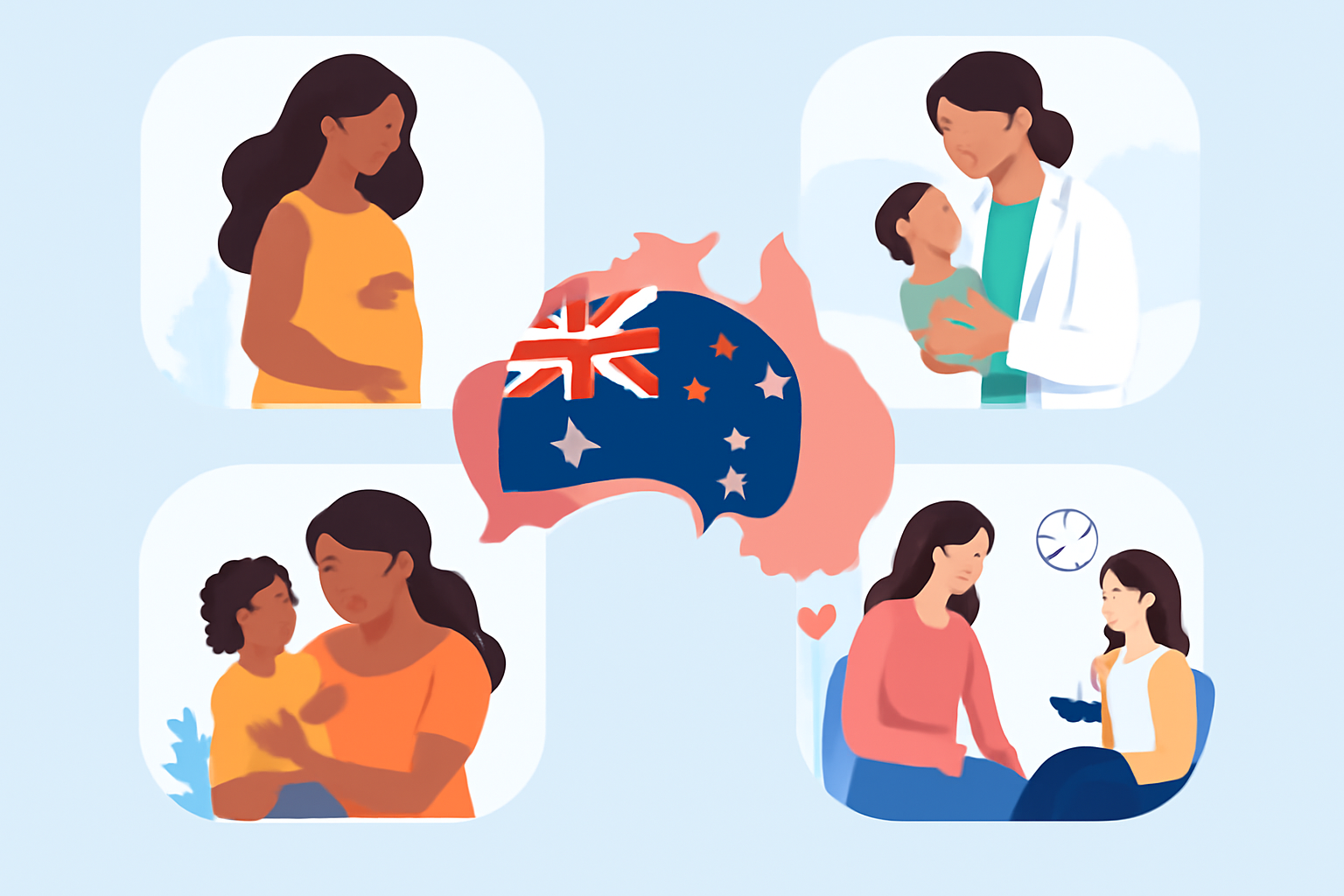
The Australian government is deeply invested in improving the health of mothers and children across the nation. A combination of healthcare policies, community services, and targeted programs seeks to address the unique needs of women and children, ensuring better health outcomes and reducing preventable illnesses. Over the years, several innovative programs have been developed to provide healthcare services to all Australians, with particular focus on maternal health, child development, and early intervention.
A cornerstone of these efforts is the Maternity Services in Australia framework, which aims to improve access to care during pregnancy, childbirth, and postnatal periods. This initiative involves a variety of approaches, including community health programs, clinical support, and partnerships between primary healthcare providers, midwives, and obstetricians. By encouraging a team-based model of care, the framework ensures that mothers receive comprehensive support that considers both their physical and mental health needs.
Furthermore, the National Pregnancy Care Program is an initiative designed to provide evidence-based, high-quality care for women throughout their pregnancies. It provides guidelines to healthcare providers, ensuring they deliver safe and effective care at every stage of pregnancy. This program also focuses on antenatal care education, encouraging early visits to healthcare professionals and providing information about diet, lifestyle, and prenatal screening to avoid complications later on.
To help ensure the health of children, the Early Childhood Health Program offers routine check-ups, developmental assessments, and screenings during the first years of life. This program ensures that children meet developmental milestones, receive necessary vaccinations, and are supported with the right nutrition. It is a vital tool for identifying and addressing any health or developmental issues as early as possible, ensuring that children can thrive.
Another critical program is the First 1000 Days of Life Initiative, which emphasizes the importance of maternal and child health during the first two years of a child’s life. Recognizing that this early period has lasting impacts on a child’s health and development, the initiative provides mothers with the resources they need to ensure proper nutrition and health during pregnancy and the early years of their child’s life. It includes education on breastfeeding, infant care, and early childhood nutrition, as well as regular health check-ups.
Moreover, the Indigenous Maternal and Child Health Program addresses the healthcare needs of Aboriginal and Torres Strait Islander women and children. The program focuses on reducing health disparities by providing culturally safe healthcare, improving access to services in remote areas, and offering support in a way that respects cultural values and practices. This program has been essential in improving maternal and child health outcomes in these communities, where healthcare access has traditionally been limited.
In addition, Australia has focused on mental health support for mothers. Programs like the Perinatal Mental Health Initiative have been developed to screen for and address mental health issues during pregnancy and after childbirth. Maternal mental health is a critical factor for both the mother and child’s well-being, and this initiative aims to reduce the stigma surrounding mental health issues, offering support to women struggling with anxiety, depression, or other mental health concerns during the perinatal period.
Beyond specific health programs, the Australian government supports a range of public health campaigns aimed at raising awareness about maternal and child health. These campaigns educate the public on important topics such as smoking cessation during pregnancy, the importance of vaccinations, and the benefits of breastfeeding.
Through these multifaceted programs, the Australian government seeks to ensure that every mother and child has the support and care they need for optimal health. From prenatal care to postnatal support, these programs aim to create a healthcare environment that addresses the diverse needs of the population, ensuring better health outcomes for future generations.