Australia’s fashion festivals play a pivotal role in shaping the national style identity, but their most valuable impact may be how they cultivate emerging designers. These events create a bridge between creative experimentation and commercial opportunity, giving young labels a rare chance to present professional collections, meet industry decision-makers, and test how their design language resonates with an audience.
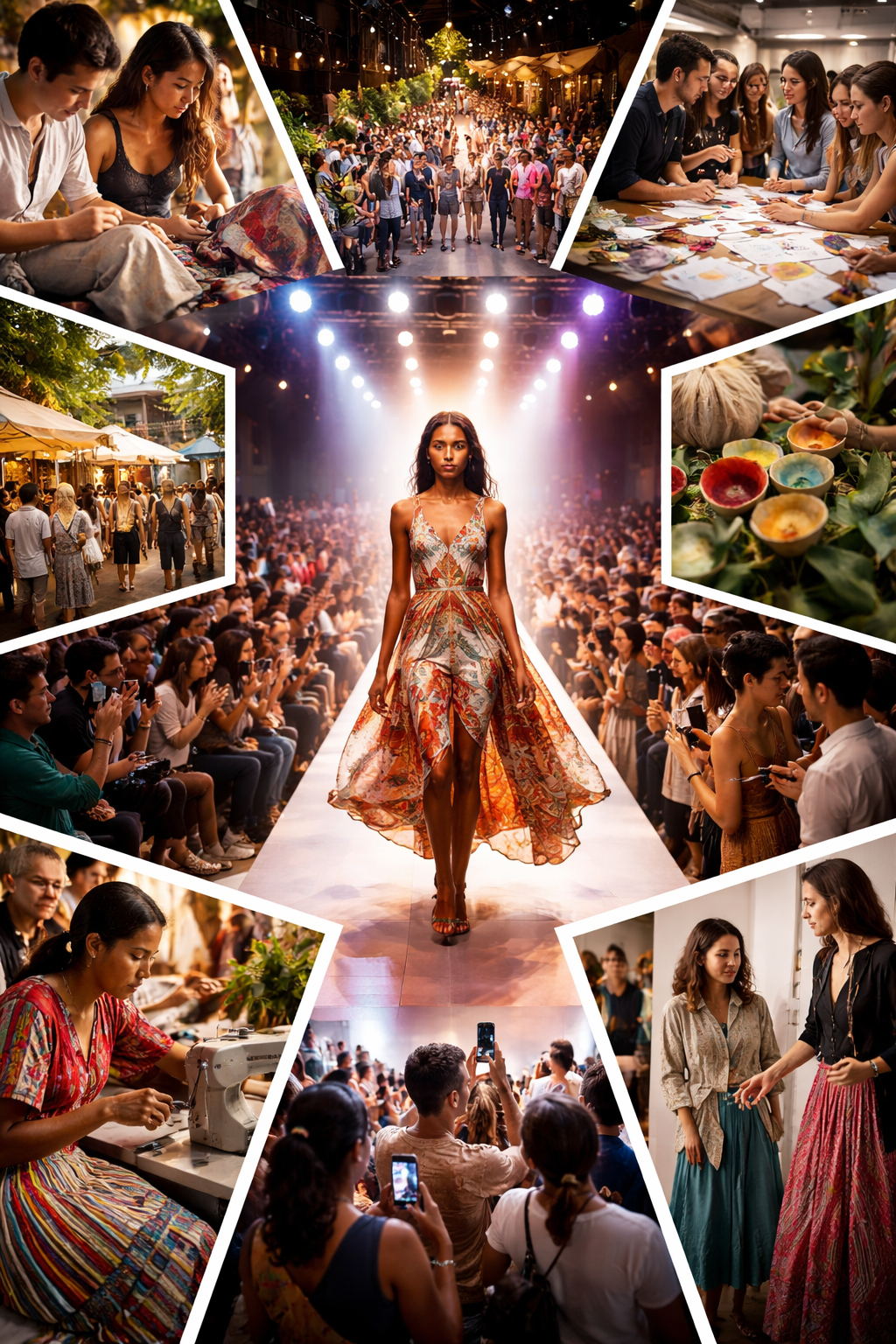
A major draw for new designers is the exposure generated by large-scale events such as Sydney’s fashion week programming. In a concentrated timeframe, photographers, editors, buyers, and brand partners gather to scout what’s next. For an early-career designer, even a single runway appearance can generate press coverage, social media traction, and retail interest. Many festivals intentionally include debut-focused segments—sometimes as group runways or curated “new talent” lineups—because the industry benefits when fresh perspectives enter the mainstream conversation.
Meanwhile, Melbourne’s fashion festival scene often emphasizes public engagement. Instead of being purely trade-oriented, it tends to offer panels, workshops, fashion films, and shopping experiences that pull fashion out of closed rooms and into city culture. This can be especially helpful for young designers who need customers, not just critics. A label that connects with local audiences through pop-ups and markets can build a loyal base that supports future collections.
One reason Australian fashion festivals matter is their ability to highlight the diversity of Australian design. New designers frequently blend global influences with the realities of Australian life: climate-aware wardrobes, beach-to-city versatility, and a preference for relaxed silhouettes that still feel refined. At the same time, many emerging labels challenge these assumptions with experimental tailoring, avant-garde shapes, or subcultural references drawn from music, nightlife, and streetwear communities.
Sustainability is another arena where younger designers are pushing the field forward. Many new Australian brands begin with limited runs, ethical manufacturing choices, and transparent sourcing—partly from values, and partly because small-batch production fits early-stage budgets. Festivals increasingly support this shift by elevating labels that use deadstock materials, recycled fibers, or upcycling techniques. Talks and industry sessions can also educate audiences about why “slow fashion” costs more and why craftsmanship and fair labor matter.
Crucially, festivals have become important stages for First Nations fashion and Indigenous-led creativity. When these platforms are well-designed, they do more than showcase garments: they amplify stories, protect cultural integrity, and increase understanding of Indigenous art and design frameworks. Some festival programs feature dedicated runways or collaborations with cultural institutions, creating opportunities for designers to share their work in ways that respect community protocols.
Fashion festivals also function as networking engines. Young designers meet stylists who can place garments in editorials, photographers who can build a compelling lookbook, and mentors who can advise on production, pricing, and brand growth. These relationships can be as valuable as the runway itself. Many designers cite backstage introductions and showroom conversations as the turning points that help them secure stockists or partnerships.
As digital storytelling becomes central to fashion, festivals now extend far beyond venue walls. Livestreams, short-form videos, and behind-the-scenes content allow emerging designers to build global audiences quickly. In this way, Australia’s fashion festivals operate as incubators: they validate new ideas, connect designers to the industry, and help turn creative identity into a sustainable career.