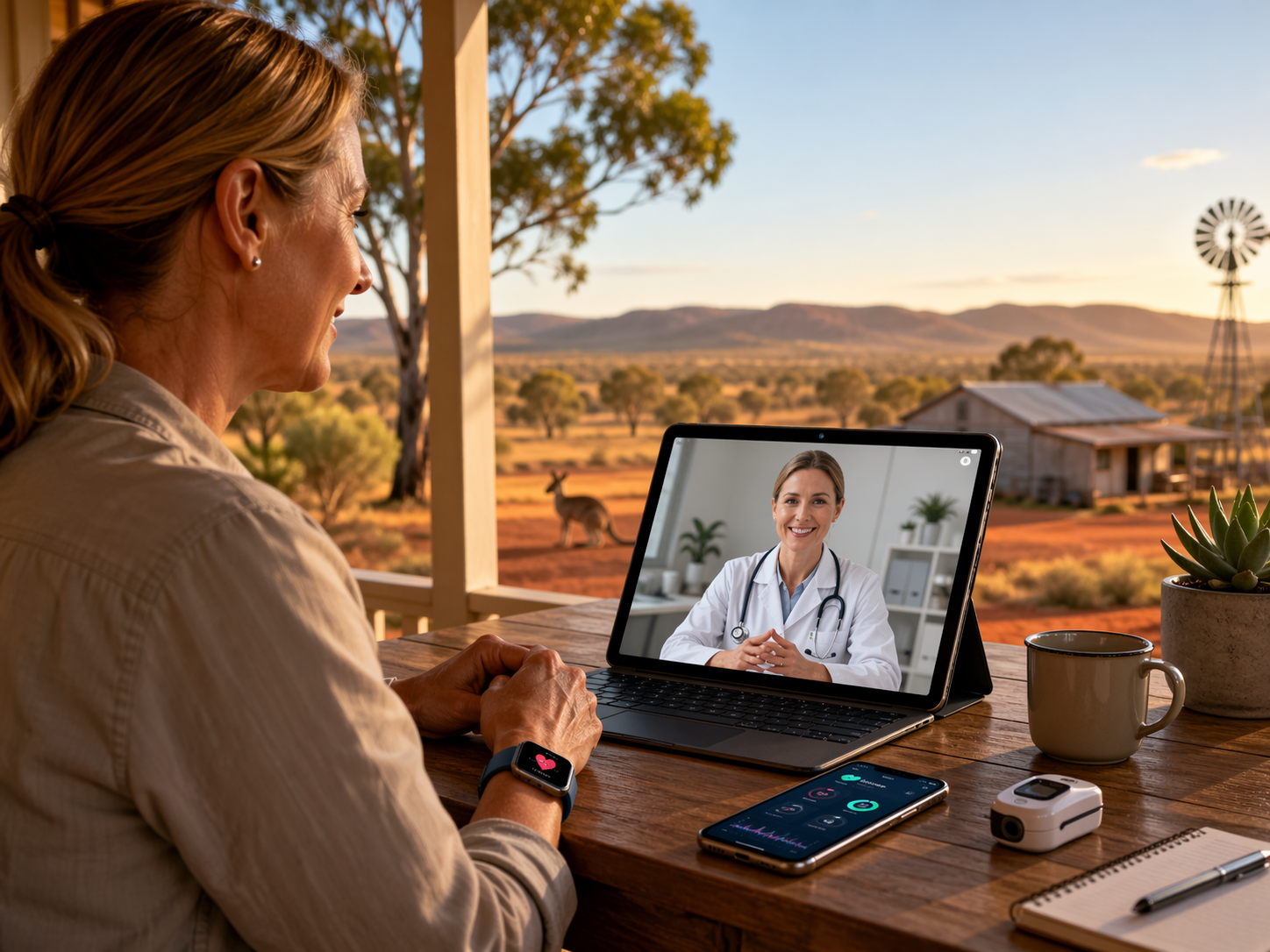
In recent years, Australia has made significant strides in integrating digital health technologies into its healthcare system. Among the most transformative innovations is telemedicine, a form of remote healthcare that leverages digital technologies to provide medical consultations, diagnosis, and treatment from a distance. The widespread adoption of telemedicine has made healthcare more accessible, particularly for Australians residing in rural or remote areas where medical facilities are scarce.
Telemedicine has become an essential tool in bridging the gap between patients and healthcare providers. It allows individuals to consult with medical professionals via video calls, phone conversations, or even online messaging platforms. This convenience is especially important in rural Australia, where people often face long travel times and high costs when seeking medical attention. Telemedicine offers an efficient solution, ensuring that no matter the location, patients can access quality care from the comfort of their homes.
During the COVID-19 pandemic, telemedicine became even more critical as it provided a safe and effective way for people to seek medical help while minimizing the risk of exposure to the virus. The Australian government responded quickly, making telehealth services more widely available and increasing the number of services eligible for Medicare rebates. This move allowed people to continue accessing essential healthcare services without leaving their homes, which was particularly beneficial for individuals with chronic illnesses or mental health conditions that required ongoing management.
Telemedicine also alleviates the pressure on Australia’s public healthcare system. By reducing the need for in-person visits, telemedicine allows hospitals and clinics to focus on more urgent cases while ensuring that patients with non-urgent conditions still receive proper care. For instance, patients with minor illnesses or those in need of follow-up consultations can connect with healthcare providers remotely, reducing wait times and ensuring timely treatment.
The government’s investment in telemedicine has also been crucial in increasing the availability of these services. Under initiatives like the MBS Telehealth items, patients can access telemedicine services and claim Medicare rebates, making remote healthcare more affordable. This policy has been vital in promoting telehealth adoption, especially for vulnerable groups such as the elderly, low-income individuals, and those living with disabilities.
Moreover, digital health technologies such as remote monitoring devices and health apps complement telemedicine services. These tools allow healthcare providers to track a patient’s condition in real-time and make necessary adjustments to treatment plans. For example, remote monitoring devices for chronic diseases like hypertension or asthma enable healthcare providers to receive instant updates on their patients’ conditions, leading to more proactive and personalized care.
While telemedicine has proven to be highly effective, there are still some challenges to overcome. Not all Australians have access to the necessary technology or reliable internet connections to fully benefit from telehealth services. Rural and remote communities, in particular, face significant barriers to digital health, such as poor internet connectivity or a lack of digital literacy. Ensuring that all Australians can access telemedicine will require addressing these infrastructure challenges and providing support for those who are less familiar with digital tools.
Looking ahead, the future of telemedicine in Australia holds great promise. With the continued advancement of digital technologies, telemedicine has the potential to expand further, incorporating new innovations like artificial intelligence and machine learning to enhance the accuracy and efficiency of healthcare delivery. By continuing to invest in telehealth and remote access, Australia can create a more inclusive and sustainable healthcare system for all.