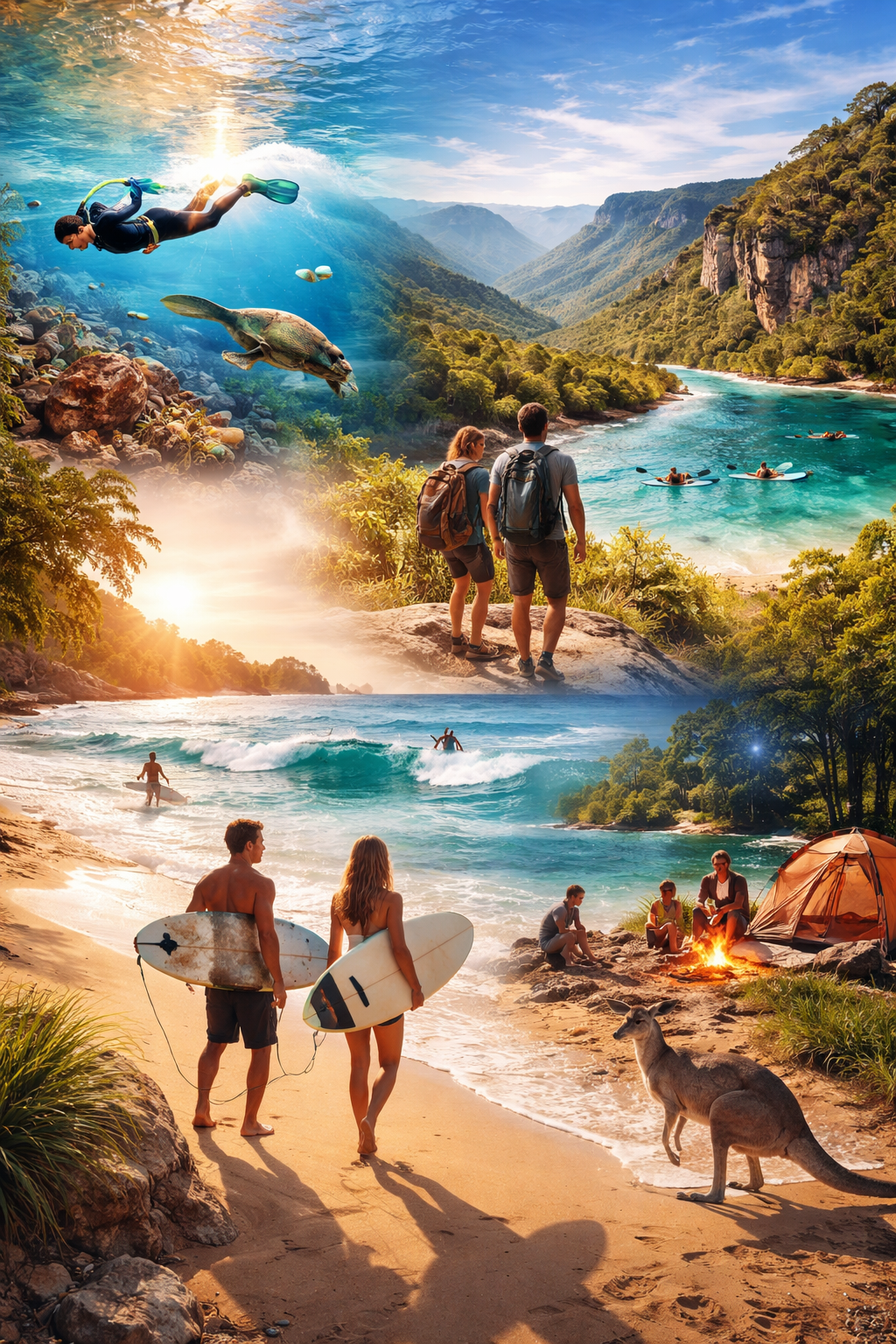
Australia has built a global reputation as a paradise for outdoor adventure, and that image is well deserved. The country’s natural geography creates a rare combination of opportunities: world-famous beaches, enormous national parks, coral reefs, mountain landscapes, and remote wilderness areas that feel untouched by time. Because of this, outdoor activity in Australia is not limited to one style of travel. It can be energetic and athletic, slow and scenic, or educational and immersive. From surfing along the Pacific coast to hiking through alpine and desert environments, Australia offers a rich outdoor experience for almost every kind of explorer.
Surfing sits at the heart of that experience. The sport is closely tied to Australian beach culture, where mornings often begin with a board under one arm and a check of the tide. Popular surfing destinations stretch across the country. Queensland is known for warm water and beginner-friendly beaches, while New South Wales combines accessible city surf spots with more relaxed coastal towns. Victoria attracts serious surfers with powerful swells around Bells Beach, and Western Australia offers dramatic settings and consistent waves near Margaret River. For newcomers, surf schools provide structured lessons on paddling, wave timing, and safety. Learning proper etiquette is also important. Surfers are expected to respect the lineup, avoid dropping in on another rider’s wave, and stay aware of changing conditions. These details help maintain both safety and harmony in busy surf areas.
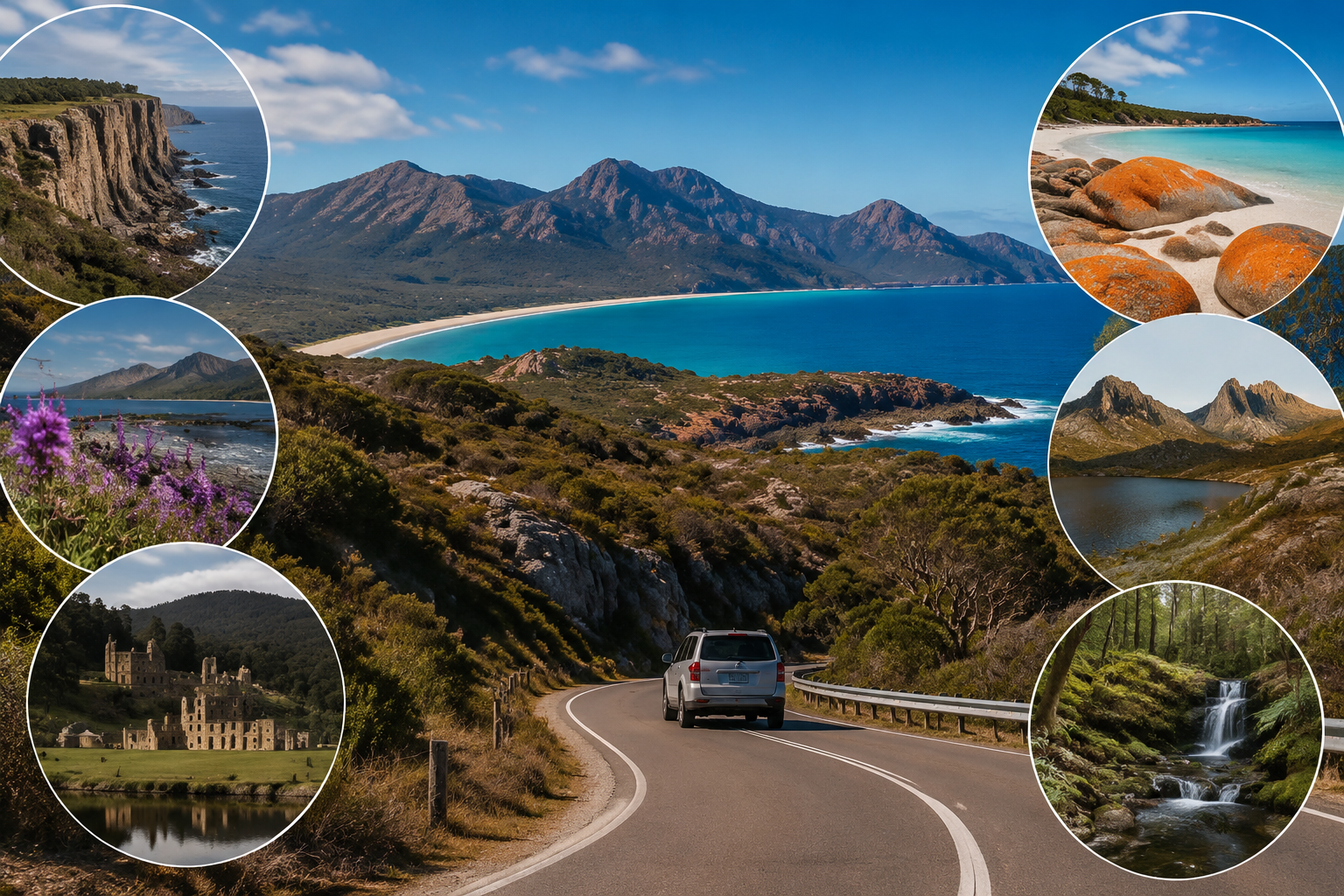
Hiking reveals another side of Australia, one defined by silence, scale, and ecological variety. In a single country, walkers can move through rainforest, sandstone plateaus, alpine meadows, coastal cliffs, and the red heart of the outback. The Blue Mountains near Sydney are a common starting point, offering trails with scenic lookouts, steep stairways, and dense bushland. Tasmania provides a cooler, more rugged environment, especially on well-known routes such as the Overland Track. In South Australia and the Northern Territory, hikers find landscapes that are drier and more open, where geological formations and ancient earth tones dominate the view. Even shorter walks can be rewarding because many trails pass through habitats rich in birdlife and native plants.
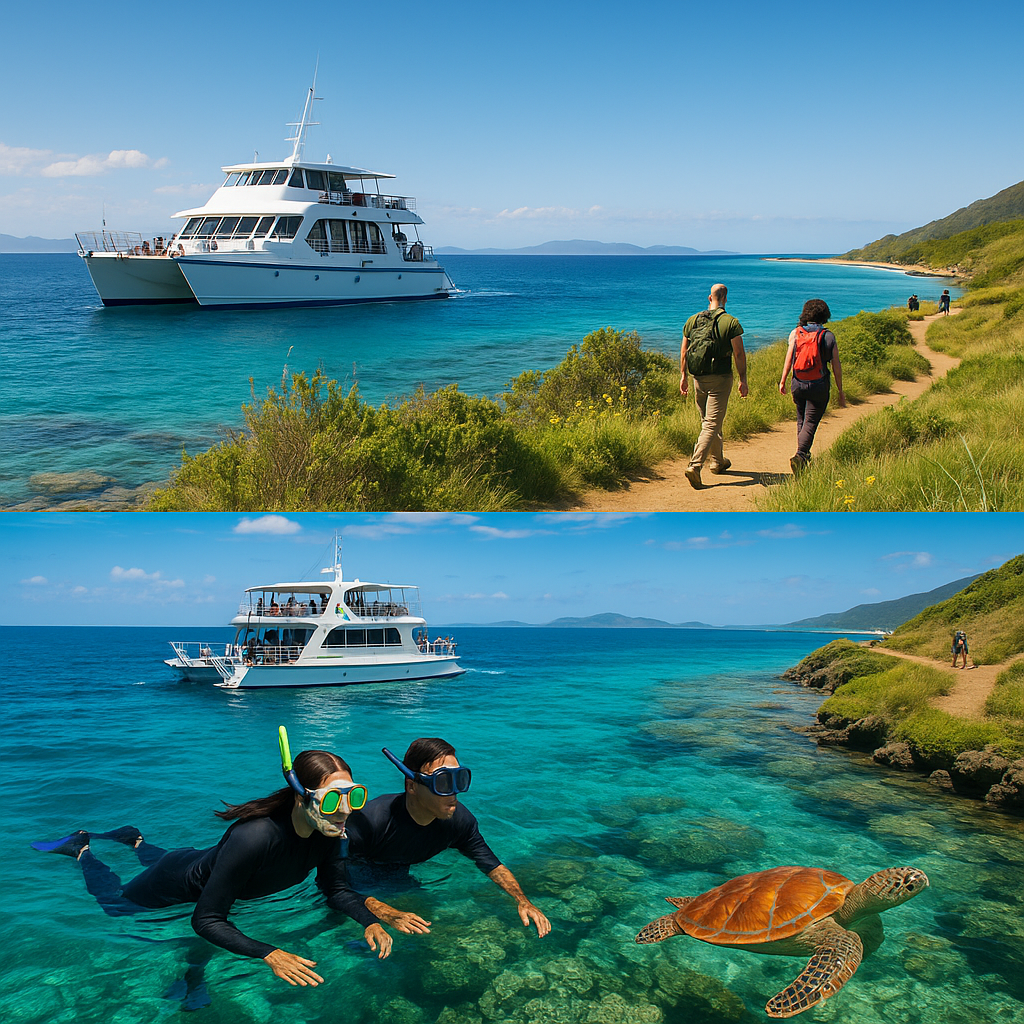
Australia’s outdoor appeal grows even stronger when travelers combine activities. A coastal road trip may include surfing at sunrise, snorkeling in the afternoon, and a cliff walk before sunset. Areas near the Great Barrier Reef and Ningaloo Reef are especially attractive for marine recreation, including diving, glass-bottom boat tours, and wildlife observation. In other regions, visitors can try mountain biking through forest trails, kayaking in calm bays, or rock climbing on sandstone cliffs. Camping is another major part of the outdoor lifestyle, giving people the chance to stay close to nature and experience Australia’s landscapes after dark, when the stars often appear exceptionally bright.
Preparation plays a major role in making these experiences enjoyable. Australia’s environment is beautiful, but it can also be demanding. Heat, dehydration, sudden weather changes, strong surf, and remote distances require sensible planning. Carrying enough water, checking local forecasts, following national park advice, and wearing sun protection are basic but essential habits. It is also important to respect wildlife and remain on marked trails, especially in fragile ecosystems. Many outdoor areas are culturally significant to Aboriginal and Torres Strait Islander peoples, so learning about local heritage adds another layer of understanding to the journey.
The real strength of Australia’s outdoor life lies in its range. A traveler can chase excitement on the coast, slow down on a walking trail, or discover remote landscapes that feel completely different from the country’s famous beaches. This blend of recreation, nature, and cultural depth makes outdoor adventure in Australia far more than a vacation activity. It becomes a meaningful way to experience the country itself.