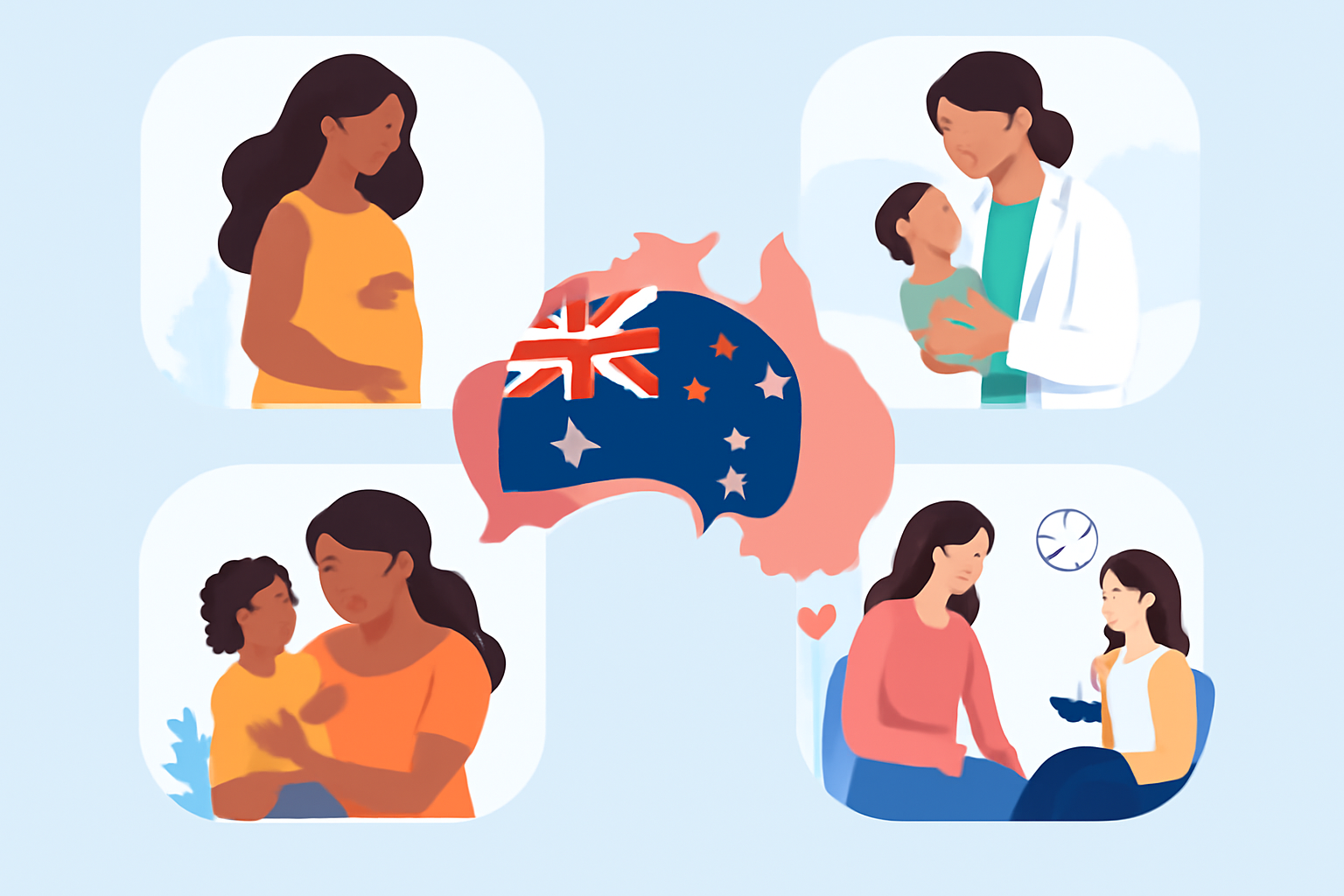
Reproductive health services in Australia are considered an essential part of the nation’s healthcare system. With a well-established public health infrastructure, access to these services has generally been good. Nevertheless, various groups continue to face barriers, whether due to geographic location, economic status, or other social factors. This article examines the current state of reproductive health in Australia, emphasizing the need for greater inclusivity and broader access to care.
Australia’s universal healthcare system, Medicare, ensures that basic reproductive health services are free or low-cost for Australian residents. This includes services like contraception, STI screenings, and maternal care. Despite this, rural and remote areas often lack sufficient healthcare professionals, making access to reproductive health services more difficult for those living outside major cities. The vast distances and limited resources available in these areas create a situation where many Australians must travel far to access necessary care.
Another notable issue is the difficulty Indigenous populations face when trying to access reproductive health services. The intersection of cultural, financial, and geographical barriers makes it challenging for Aboriginal and Torres Strait Islander communities to receive adequate care. Many Indigenous women report feeling disconnected from mainstream healthcare services, due to both a lack of culturally sensitive care and historical experiences of discrimination. To address these issues, several programs, including the National Aboriginal Community Controlled Health Organisation (NACCHO), are providing culturally relevant reproductive health services, working towards building trust and increasing access.
Additionally, Australia’s LGBTQIA+ community encounters significant barriers to reproductive health, particularly transgender individuals. Transgender people often face healthcare discrimination, and in some cases, have trouble finding providers who are knowledgeable about their specific needs, including hormone replacement therapy (HRT) and fertility services. Progressive steps, like introducing transgender-inclusive healthcare guidelines, have been made, but much work remains to make healthcare truly accessible and inclusive for everyone.
Government initiatives are actively working to close the gap in reproductive health access. For example, the Rural Health Outreach Fund, which supports outreach services to rural communities, aims to bring reproductive health services to remote areas. Telehealth services are also becoming a more significant part of healthcare delivery in Australia, enabling individuals in isolated regions to consult healthcare professionals from the comfort of their homes.
The future of reproductive health in Australia will require a continued focus on inclusivity and equity. More tailored programs to address the needs of marginalized groups, better education for healthcare providers on cultural competence, and sustained funding for remote health services are essential for ensuring all Australians have equal access to the reproductive healthcare they deserve.