As global awareness of the climate crisis grows, the term “eco-friendly” often becomes a vague marketing buzzword. In Australia, however, the definition carries strict and measurable standards. For the smart traveler, understanding the difference between greenwashing and authentic conservation efforts is key to planning a meaningful journey in 2026.
Understanding Eco Tourism Certification Standards
When searching for accommodation or tours, consumer eyes are often bombarded with green stickers. To ensure authenticity, travelers should look for official certifications such as Ecotourism Australia’s ECO Certification. This certification is not given lightly; operators must pass rigorous audits on waste management, energy efficiency, and contribution to local habitat conservation. By 2026, the Australian government has further tightened these regulations, ensuring only businesses that are truly dedicated can claim to be green destinations.
Deep Engagement with Aboriginal Knowledge
No discussion of sustainable tourism in Australia is complete without highlighting the vital role of Aboriginal and Torres Strait Islander peoples. Their philosophy, “Caring for Country,” is the oldest manifestation of sustainability. Today, more travel experiences are led directly by local guides from First Nations communities.
In the Kimberley region of Western Australia, travelers can join boat tours guided by Indigenous hosts to explore the Horizontal Falls. Beyond simply witnessing the natural phenomenon, visitors are taught how the landscape was formed in Dreamtime stories and why its protection is critical. This approach not only provides employment for remote communities but also ensures traditional knowledge is passed down and economically valued.
Green Architecture and Sustainable Luxury
Many assume eco-friendly travel means cold showers and sleeping in basic tents. This perception has been completely shattered by the Australian hospitality industry. Destinations like Southern Ocean Lodge on Kangaroo Island (rebuilt to the highest environmental standards after the 2020 bushfires) prove that luxury and sustainability can go hand in hand.
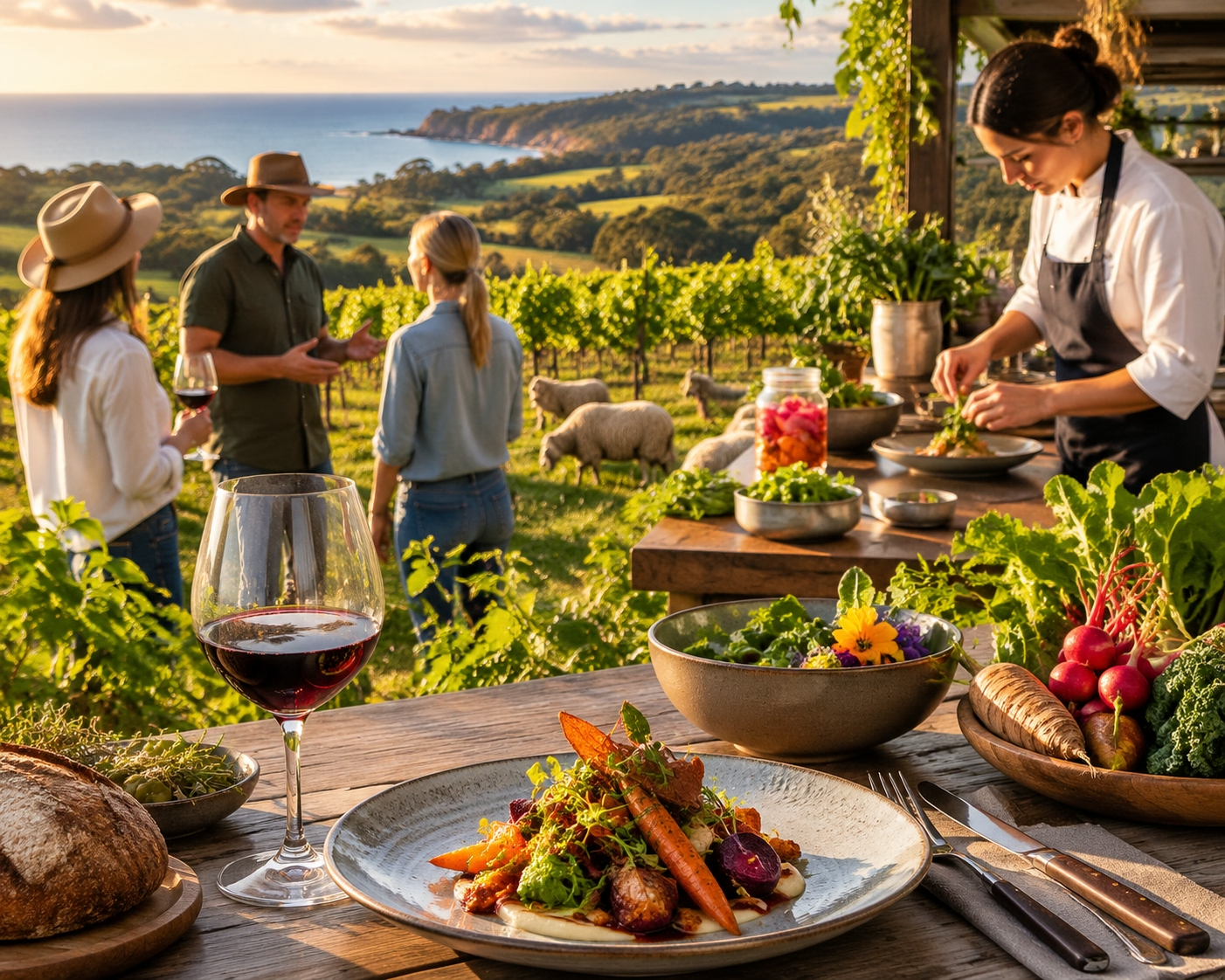
By 2026, the latest trend is “High-End Eco-Lodges” that use smart technology to minimize ecological footprint without sacrificing comfort. From automatic lighting systems that adjust to guest movement to kitchens implementing zero-waste principles by utilizing produce from local gardens, staying at these properties educates and indulges at the same time.
Choosing responsible travel in Australia means doing thorough research. Look for operators that transparently publish their environmental impact reports. That way, every dollar you spend becomes a tool to protect the unique biodiversity that only Australia possesses.