Australian fashion has a distinct visual language that speaks of salt air, relaxed tailoring, and a certain sun-bleached confidence. In recent years, this aesthetic has transitioned from a regional identifier to a global obsession, largely propelled by the unprecedented reach of the country’s entertainment exports. The cultural zeitgeist of Australia is now the primary mood board for international design houses.
Defining the “Aussie Aesthetic” in Entertainment
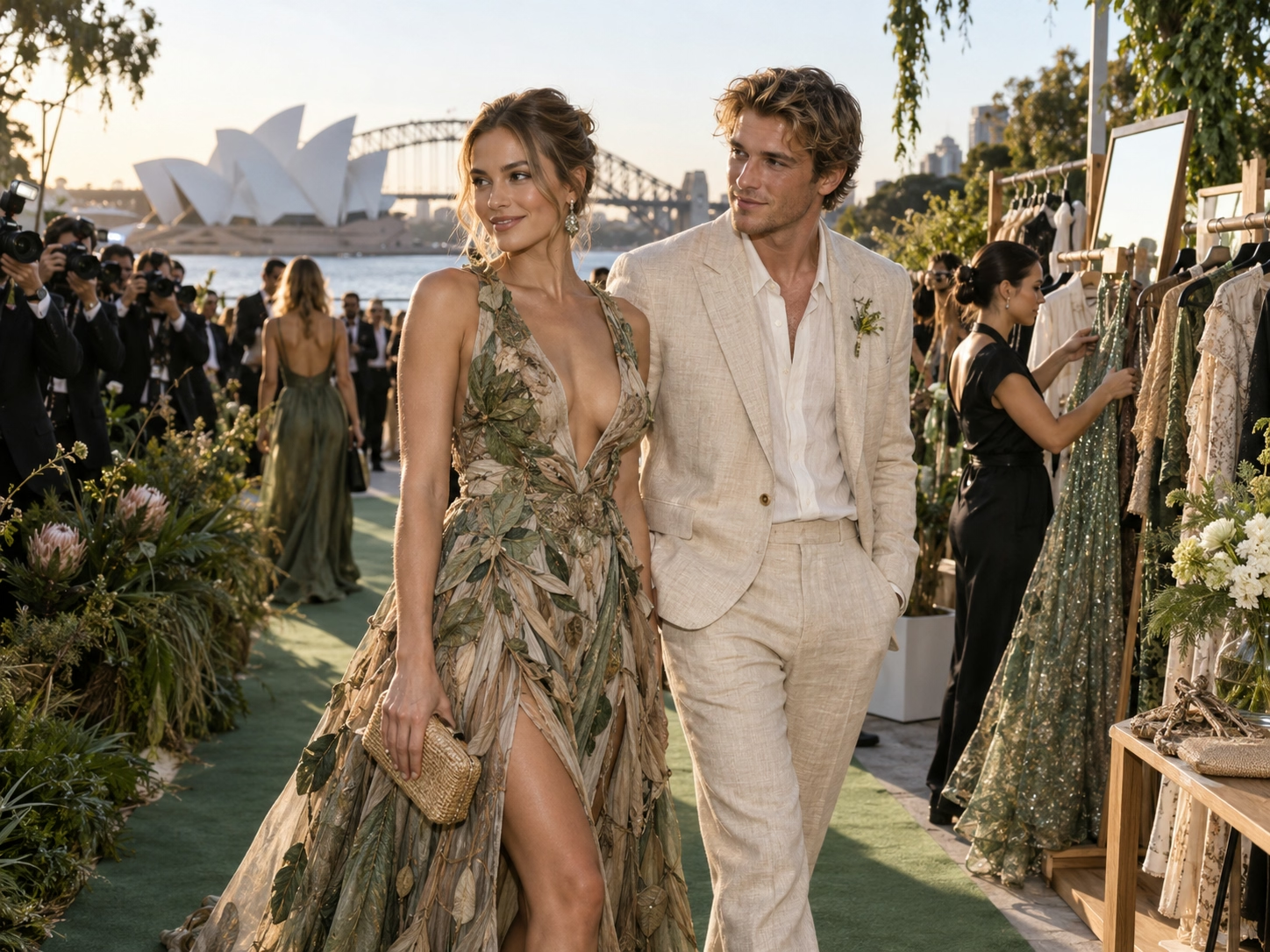
The visual identity of Australian pop culture is deeply tied to its environment. Unlike the dense, dark wardrobes of European cinema, Australian film and television often emphasize natural light, expansive landscapes, and a wardrobe that complements an active, outdoor lifestyle. Shows set in coastal towns or outback stations have inadvertently become global advertisements for a specific type of romanticized living.
This “escapism” factor is vital. In an era of global uncertainty, audiences are drawn to the perceived simplicity and authenticity of Australian life portrayed in entertainment. This has led to a surge in demand for flowy linen dresses, structured yet relaxed tailoring, and bold, nature-inspired color palettes. The international success of music festivals like Splendour in the Grass, and the fashion associated with them, has cemented the “festival-to-street” pipeline that dominates youth culture worldwide.
The Music and Film Crossover
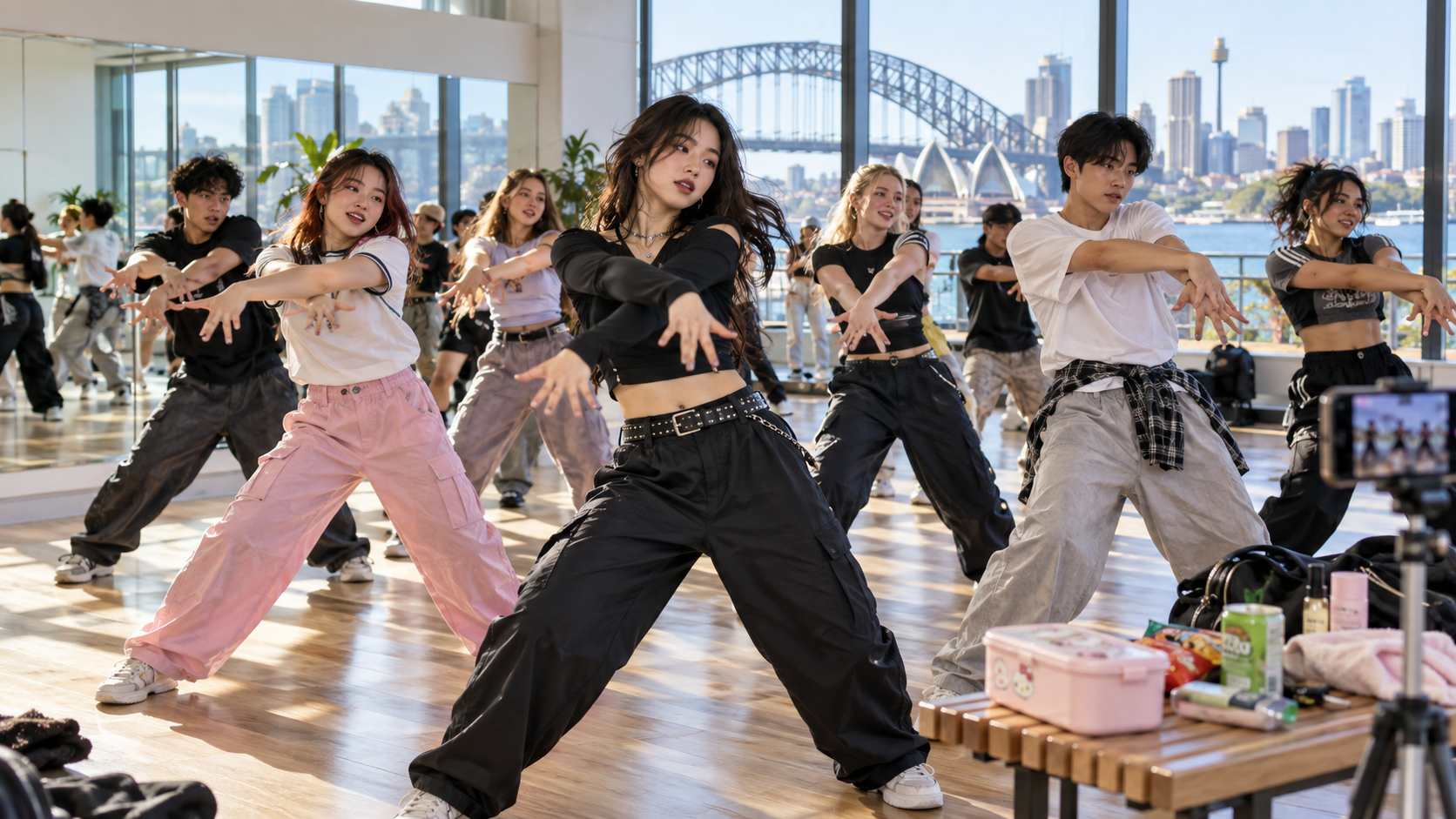
The Australian music industry plays an equally critical role. Artists like Troye Sivan, Tame Impala, and Kylie Minogue are not just musicians; they are fashion arbiters. Their music videos and tour wardrobes set visual trends that trickle down to mass-market retailers globally. When a prominent Australian artist collaborates with a local designer for a world tour, it validates the designer’s cultural relevance on a global stage.
The film industry operates similarly. The costume design choices in major Australian-produced blockbusters influence global retail buying cycles. For instance, when a character in a hit series wears a specific pair of boots or a knit sweater, global search queries spike instantly. Data from Google Trends in early 2026 indicates a 40% year-on-year increase in searches for “Australian beach style” and “outback chic” following the release of several high-profile Australian dramas on international streaming services.
Breaking the Colonial Mould
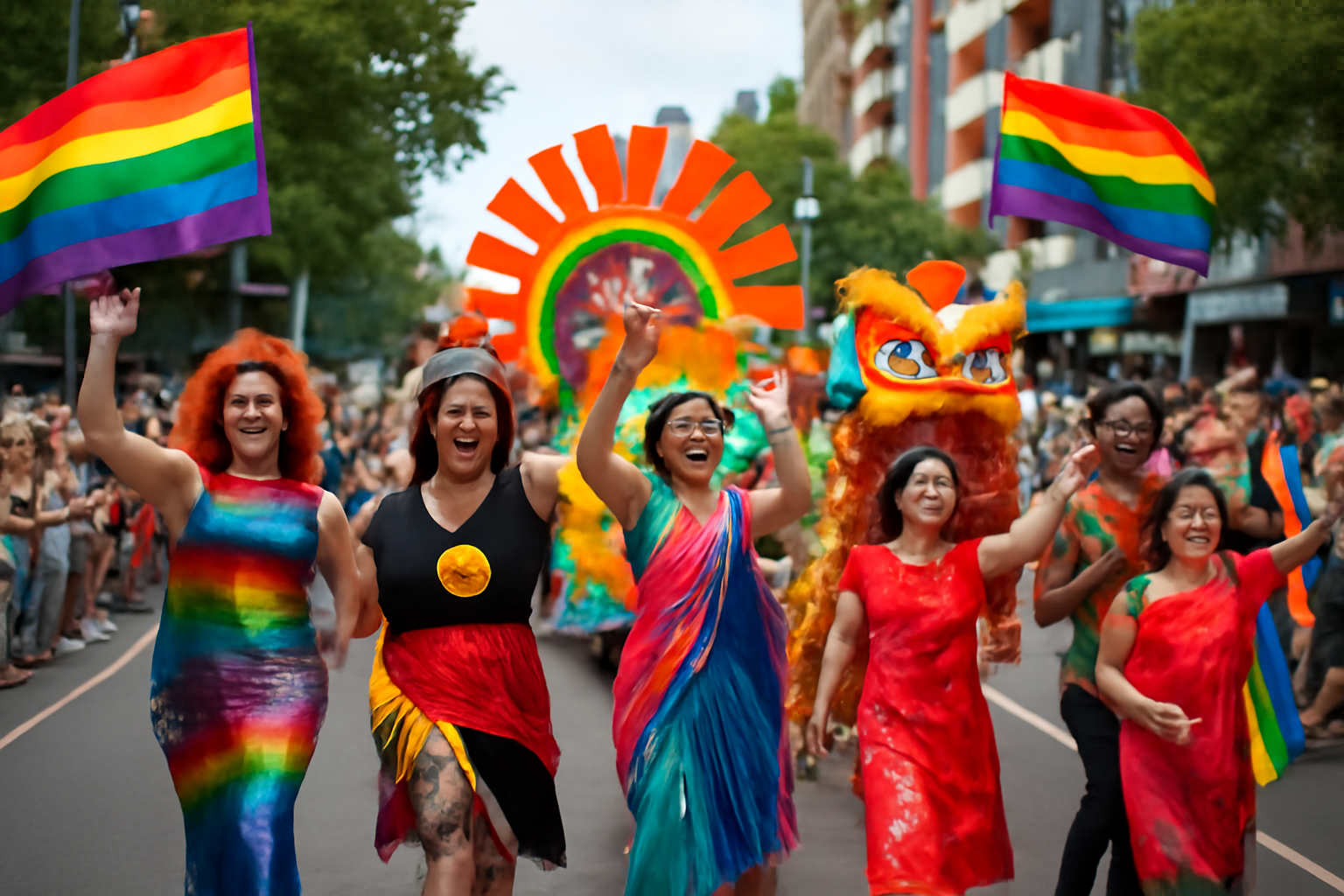
Historically, Australian fashion was viewed as a derivative of European trends—a delayed mimicry of London or Paris. Today, the cultural flow has reversed. Global brands are now looking to Sydney and Melbourne for innovation. The unique blend of Indigenous Australian art influences, combined with a multicultural urban fabric, has created a design language that feels fresh, inclusive, and forward-thinking.
The entertainment industry’s embrace of First Nations designers and storytellers has added a layer of authenticity and depth that cannot be replicated. This cultural grounding gives Australian fashion a narrative weight that resonates with modern consumers who are seeking meaning in their purchases, moving beyond mere aesthetics to embrace cultural storytelling through clothing.