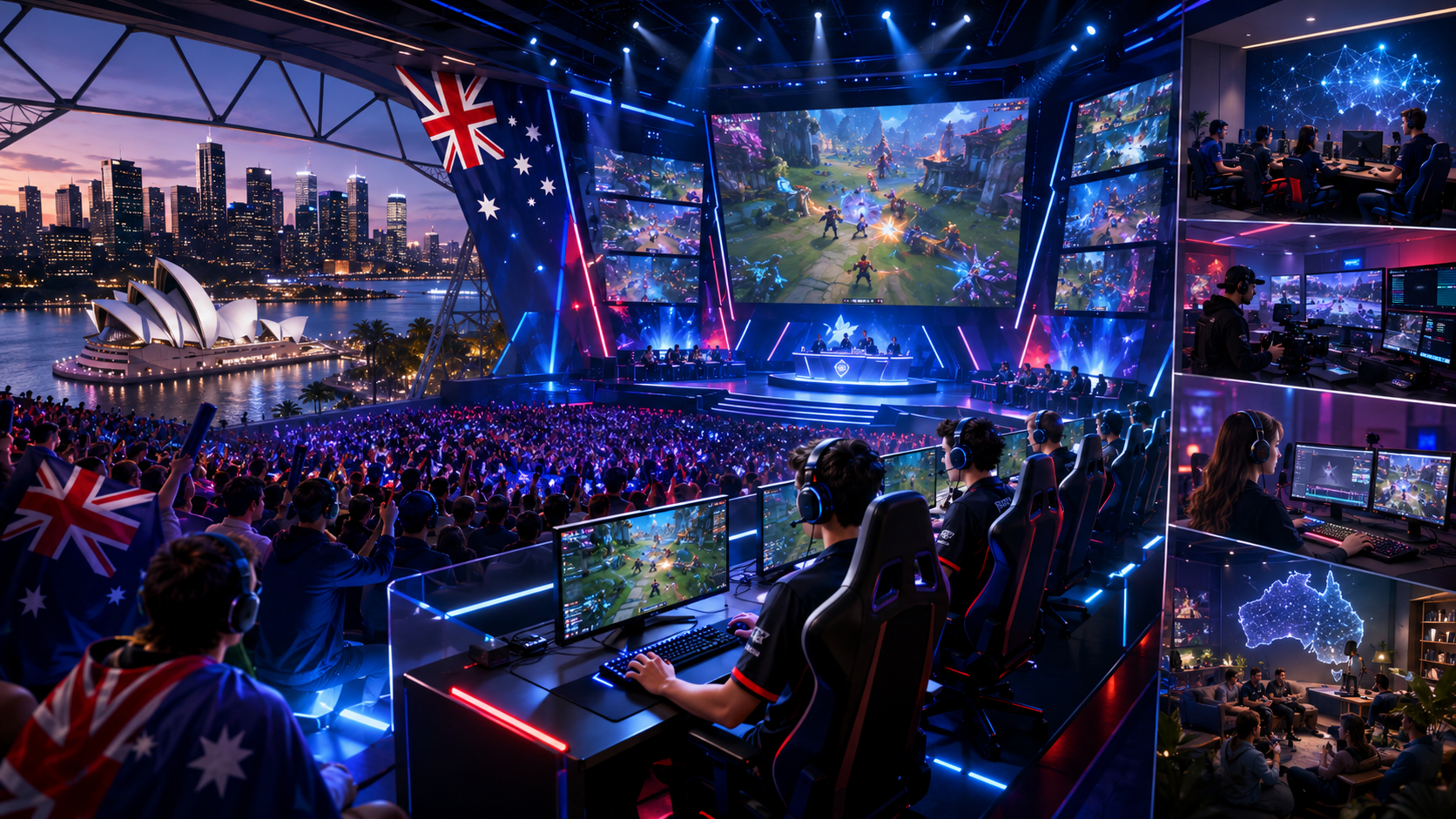
Australia has rapidly established itself as a key player in the global e-sports arena. Over the last decade, the country has witnessed a surge in both professional and amateur gaming communities, transforming e-sports from a niche hobby into a legitimate and thriving industry.
Infrastructure development has been central to this transformation. Australian cities now host modern gaming arenas, equipped with high-speed internet and professional-grade equipment. These facilities not only allow teams to practice and compete at an international standard but also serve as venues for public events, drawing thousands of fans to tournaments. Private investors and government programs have recognized the economic potential of e-sports, offering funding opportunities, startup grants, and educational initiatives to nurture talent and industry growth.
Australian players have increasingly gained recognition on the international stage. Teams competing in Overwatch, Valorant, and Rainbow Six Siege tournaments have showcased skill and strategy, proving that Australia can compete with e-sports powerhouses in Asia, Europe, and North America. Online streaming platforms, such as Twitch, have allowed these players to reach a global audience, building fan bases that cross borders and fostering a sense of national pride within the e-sports community.
Economic impacts extend beyond the digital sphere. Major events like PAX Australia, Intel Extreme Masters, and ESL One not only attract spectators but also generate significant revenue for local economies. Hotels, transportation, and hospitality sectors benefit from the influx of visitors, while media coverage and sponsorship deals promote Australia as a serious contender in the international gaming scene.
Talent development and education are also vital. Universities now offer courses in game development, competitive strategy, and e-sports management, preparing students for careers both on and off the stage. Grassroots programs further enable aspiring players to develop skills and gain exposure, creating a robust pipeline of talent ready for professional competition.
Community engagement has strengthened the industry’s foundation. Local gaming clubs, online forums, and regional tournaments provide aspiring players with opportunities to practice, compete, and network. The collaborative environment between gaming organizations, media companies, and sponsors ensures that the industry is both sustainable and innovative.
With technological support, professional development, and growing international recognition, Australia is well-positioned to become a central hub for global e-sports. The nation’s investment in infrastructure, talent, and community engagement indicates that e-sports will continue to thrive and solidify its role as a culturally and economically significant industry.