Sustainable fashion is frequently criticised for being expensive. A responsibly produced Australian shirt, dress or pair of jeans may cost significantly more than a fast-fashion alternative, creating a genuine barrier for households managing higher living expenses.
Yet the initial price does not show the complete economic picture. In 2026, cost per wear has become one of the most practical ways to evaluate whether a garment provides lasting value.
How Cost Per Wear Works
The calculation is straightforward:
Purchase price ÷ number of times worn = cost per wear
A $240 jacket worn 120 times has a cost per wear of $2. A $70 jacket worn only ten times costs $7 for each use.
This does not mean every expensive garment is a good investment. High price can reflect branding, limited distribution or design positioning rather than superior construction. The calculation works only when the customer chooses an item that fits well, suits daily life and remains wearable.
What Makes a Garment Worth Repeating
Durable wardrobe pieces tend to share several qualities:
- Fabric that maintains its structure
- Strong seams and secure fastenings
- A fit that allows comfortable movement
- Colours that coordinate with existing clothing
- Care instructions that suit the owner’s routine
- Designs that are not dependent on a short-lived trend
These practical factors often matter more than whether a product is promoted as a seasonal “must-have.”
Australian Brands Built Around Repeat Wear
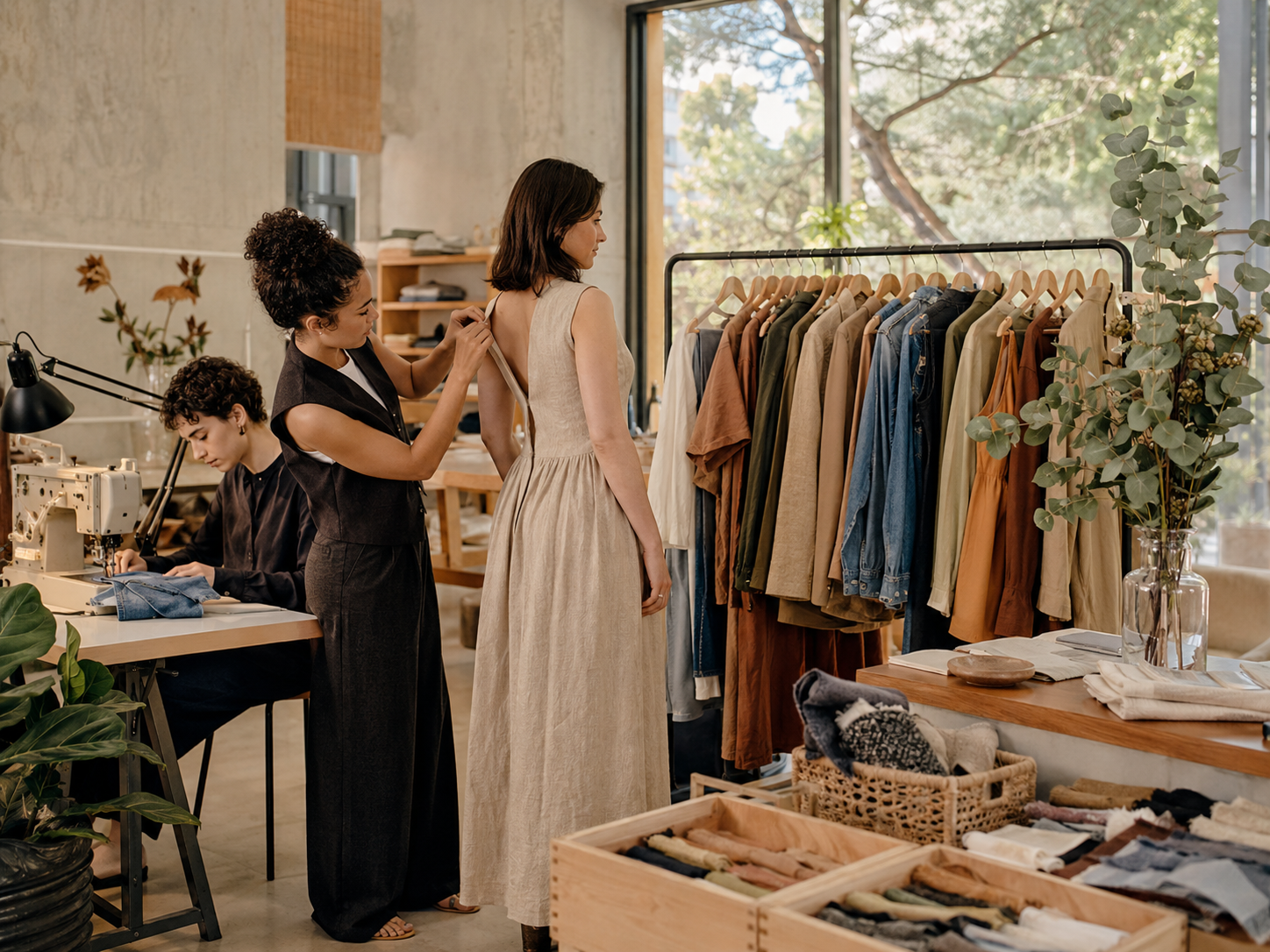
Citizen Wolf’s personalised T-shirt model is relevant because fit can directly influence how often a basic garment is used. A shirt that sits correctly at the shoulders and body is less likely to remain unworn.
ELK’s versatile clothing and accessories often emphasise distinctive yet functional design. For cost-per-wear analysis, the key question is whether a statement piece can be styled across work, travel and casual settings.
Outland Denim operates in a category naturally suited to repeated wear. Well-fitting jeans can become some of the most frequently used items in a wardrobe, making construction quality and comfort especially important.
Etiko’s casual basics and footwear demonstrate how everyday products can accumulate high wear counts. Even modest improvements in comfort and durability can produce meaningful long-term value.
Consumers should verify each brand’s current materials, repair services and manufacturing policies before purchasing.
Certifications Can Support Better Research
Third-party standards do not replace product inspection, but they can help buyers investigate corporate practices. The official B Corp directory allows users to check whether a company currently holds B Corp certification and review available profile information.
Certification should be considered one part of a broader assessment that includes product quality, transparency and suitability.
Building a Better Wardrobe on a Realistic Budget
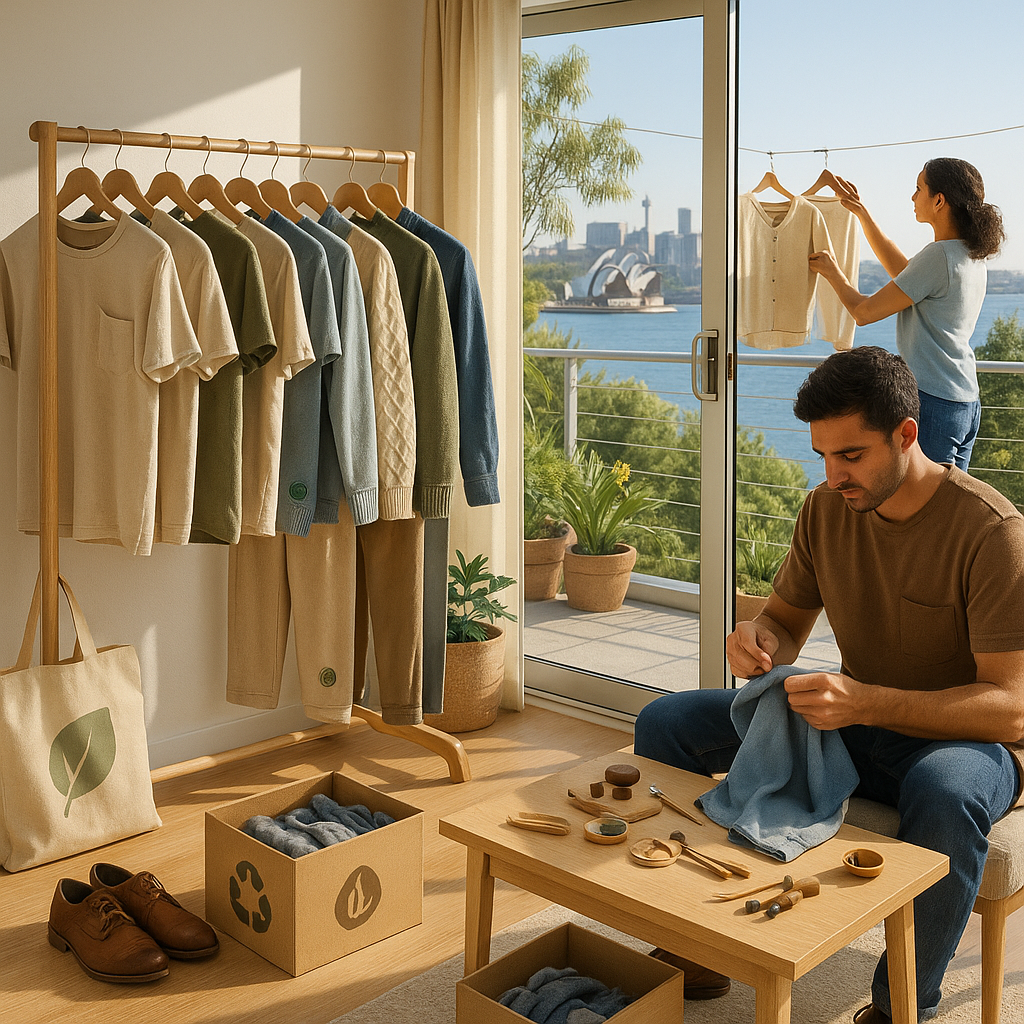
Consumers do not need to replace an entire wardrobe with premium sustainable labels. A more realistic strategy is to wear existing clothing longer, repair useful items and upgrade only when replacement is genuinely necessary.
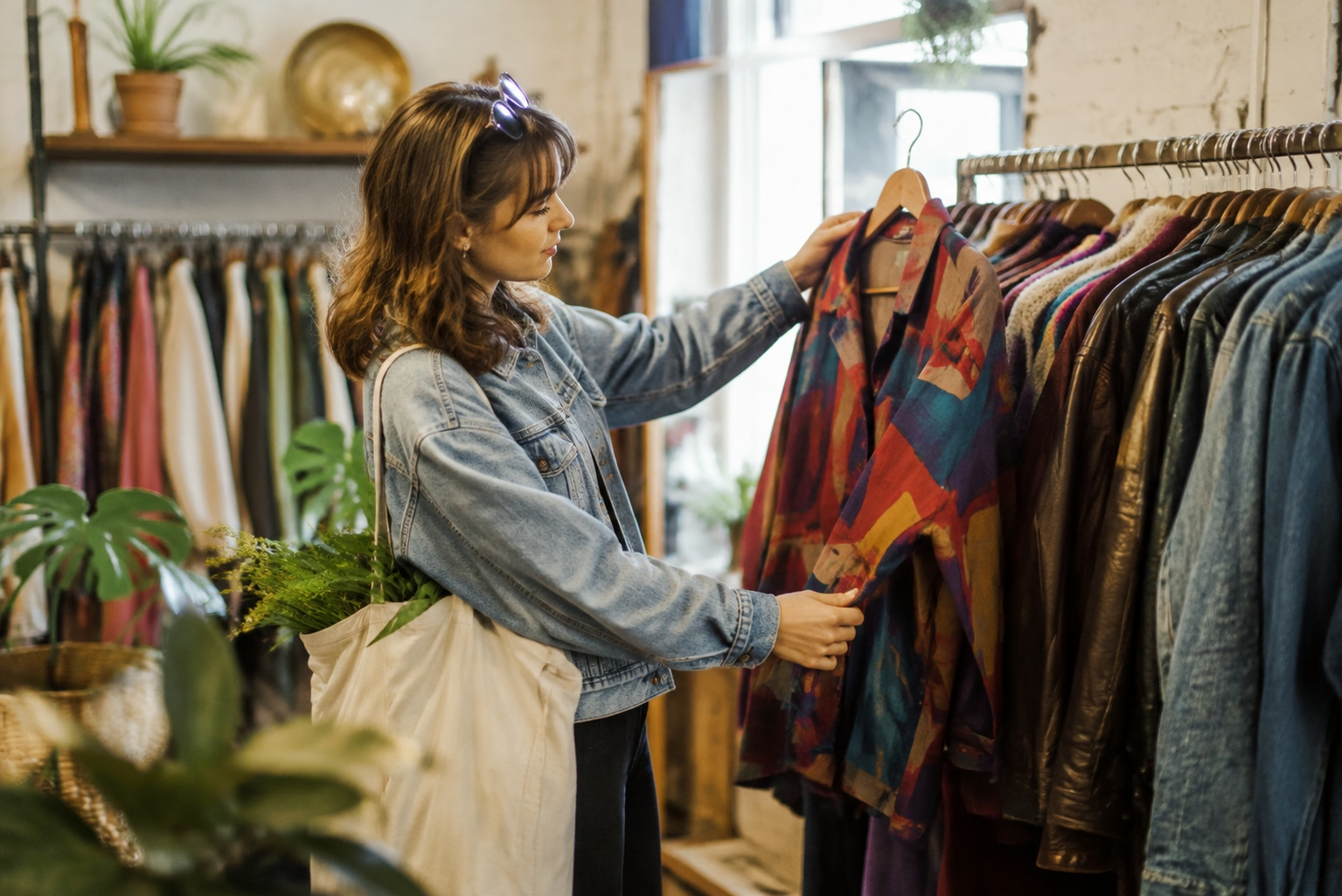
Second-hand shopping can also make high-quality Australian brands more accessible. Because well-made clothing often retains its structure, it may perform successfully for a second or third owner.
The strongest purchase is not always the garment with the lowest price or the most sustainability claims. It is the piece that meets a real need, survives repeated use and continues to feel appropriate after the marketing campaign has ended.