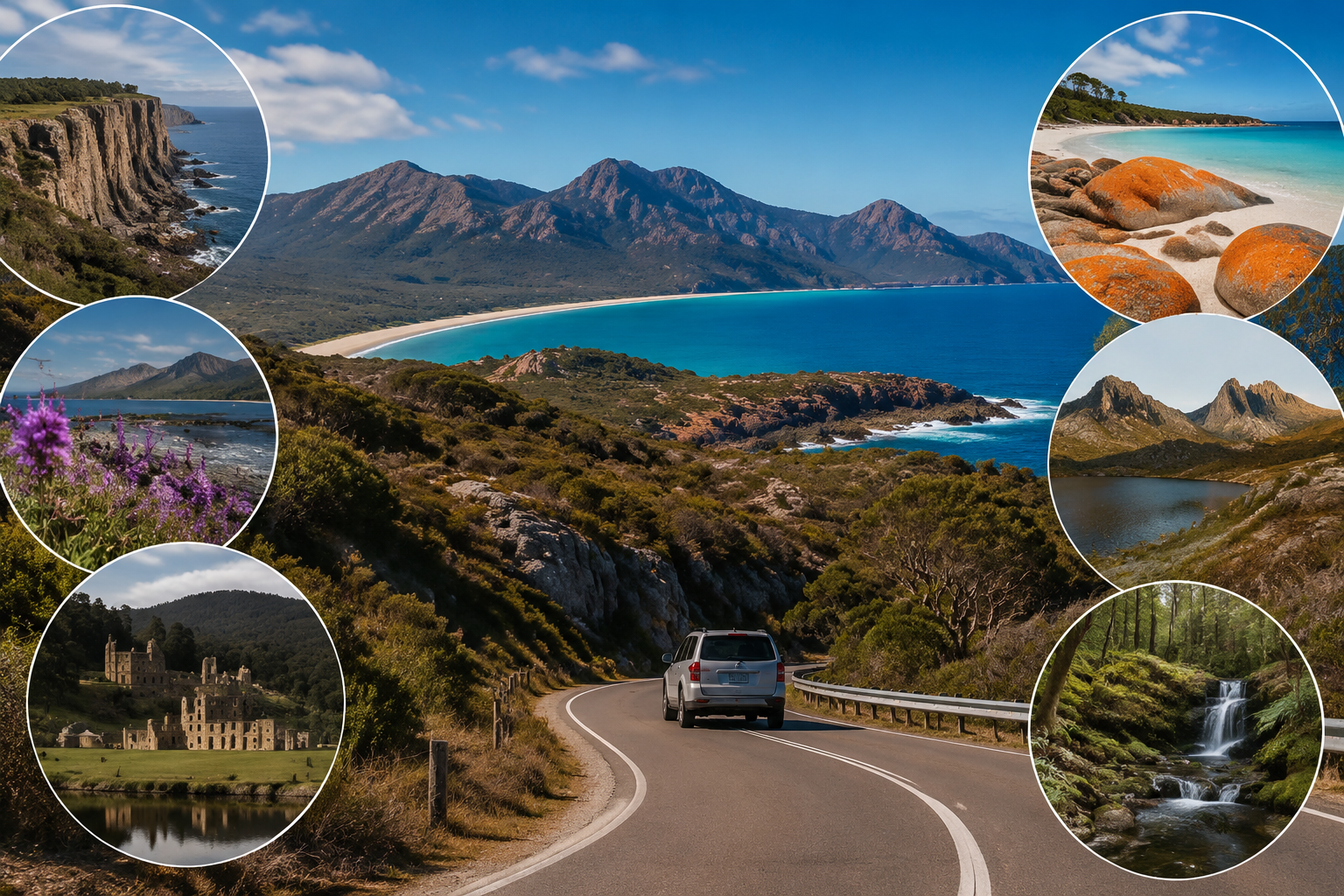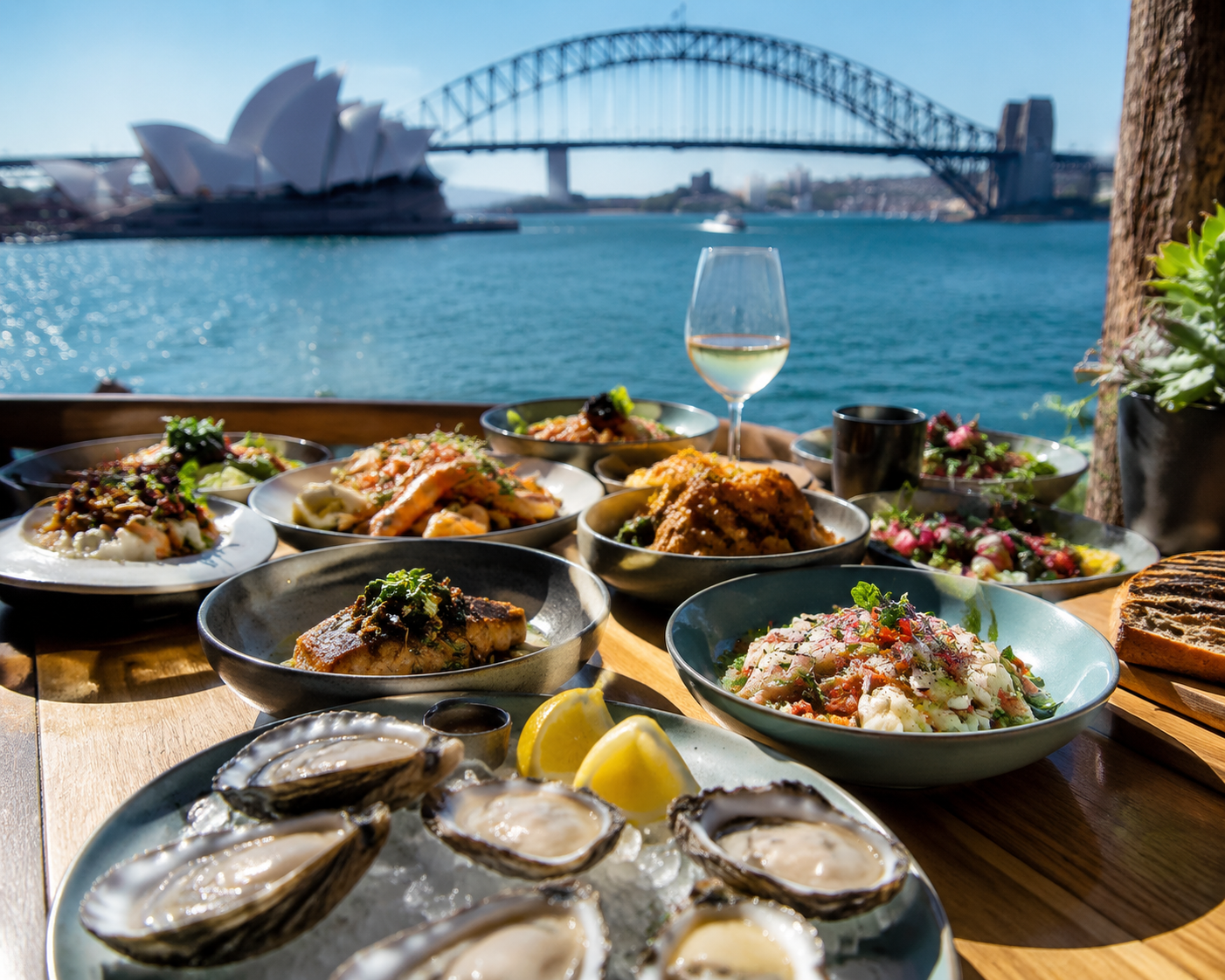
A successful Australian food holiday requires more than collecting restaurant names. Distances are significant, regional seasons vary, and many of the most rewarding experiences are located outside major city centres.
South Australia’s official food and drink guide is particularly useful for researching Adelaide, regional produce, wineries, markets, and dining experiences.
Choose a Culinary Region Before Choosing Restaurants
Travellers with one week should focus on one or two cities. Attempting to combine Sydney, Melbourne, Adelaide, Perth, and Hobart in a short trip can result in more time at airports than at dining tables.
Sydney and Melbourne work well for multicultural city dining. Adelaide is best suited to travellers who want to combine restaurants with wine regions. Perth provides access to Margaret River, while Hobart offers a strong connection to Tasmanian seafood and small producers.
Schedule Markets Early in the Trip
Markets provide a quick introduction to regional ingredients and local eating habits.
Sydney Fish Market is associated with Australian seafood, while Melbourne’s Queen Victoria Market combines produce, delicatessens, takeaway food, and specialty shops. Adelaide Central Market is valuable for South Australian cheese, baked goods, coffee, meat, fruit, and international cuisine.
In Hobart, Salamanca Market can introduce visitors to Tasmanian honey, preserves, bread, seasonal vegetables, and artisan products.
Markets are best visited earlier in the day, when the produce selection is wider and food vendors are fully operational.
Include Both Local and International Cuisine
Australian food culture is inseparable from migration. A serious culinary itinerary should include Vietnamese, Chinese, Greek, Italian, Lebanese, Indian, Sri Lankan, Japanese, and African-influenced dining.
In Sydney, research Lankan Filling Station for Sri Lankan flavours and Saint Peter for seafood. Melbourne options include Maha for Middle Eastern cuisine and Supernormal for contemporary Asian-inspired food.
Adelaide’s Africola offers spice-driven cooking, while Perth’s Lulu La Delizia focuses on regional Italian dishes.
These restaurants demonstrate that “eating Australian” often means understanding how migrant traditions have adapted to Australian produce.
Reserve One Destination Restaurant
A premium tasting menu can provide insight into how leading chefs interpret local ingredients.
Possible restaurants to research include Attica in Melbourne, Bennelong in Sydney, Restaurant Botanic in Adelaide, and Wildflower in Perth. Menus may feature seafood, native herbs, regional meat, fermented ingredients, or produce grown specifically for the restaurant.
Booking policies vary. Some venues require prepayment, while others charge cancellation fees or offer limited menu substitutions.
Add a Wine or Farm Region
From Adelaide, travellers can reach the Barossa Valley, McLaren Vale, and Adelaide Hills. Melbourne can be paired with the Yarra Valley or Mornington Peninsula. Perth connects naturally with Margaret River, while Hobart provides access to the Coal River and Huon valleys.
A regional day should not be limited to wine tasting. Look for bakeries, cheese producers, oyster farms, orchards, distilleries, and restaurants using nearby produce.
Plan for Budget and Logistics
Australian dining can be expensive, particularly when beverages and service charges are added. Balance tasting menus with food courts, bakeries, noodle shops, market meals, and casual neighbourhood restaurants.
Confirm transport after evening reservations. Regional wineries and restaurants may not be accessible through public transport, making guided tours or designated drivers necessary.
A balanced itinerary should combine one premium experience, several community-based meals, one market, and one regional excursion.