Australia’s fashion industry has increasingly embraced sustainability, reflecting the country’s strong connection to its unique ecosystems. From vast deserts to coastal landscapes, nature plays a significant role in shaping how designers approach materials, production, and aesthetics.
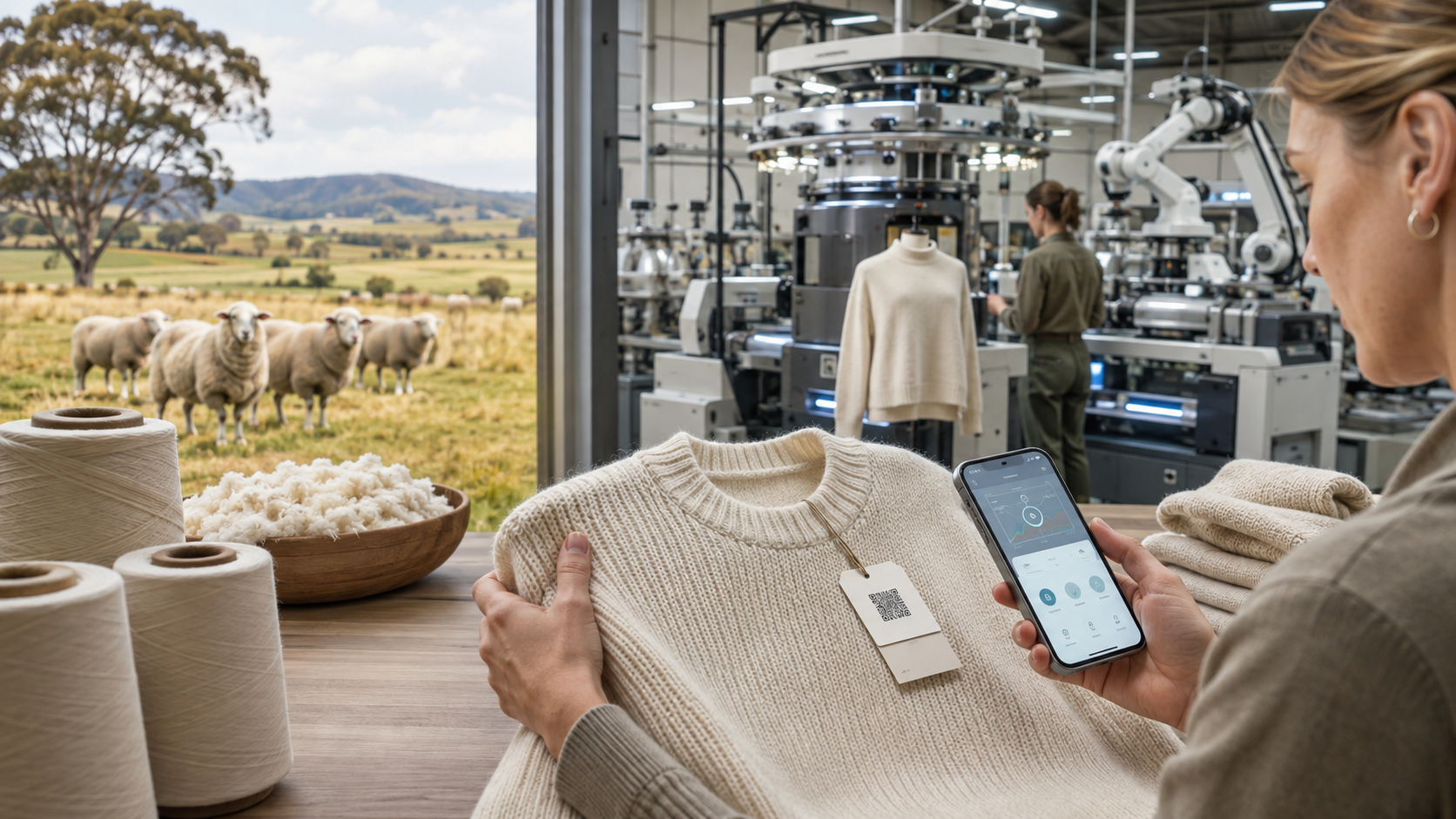
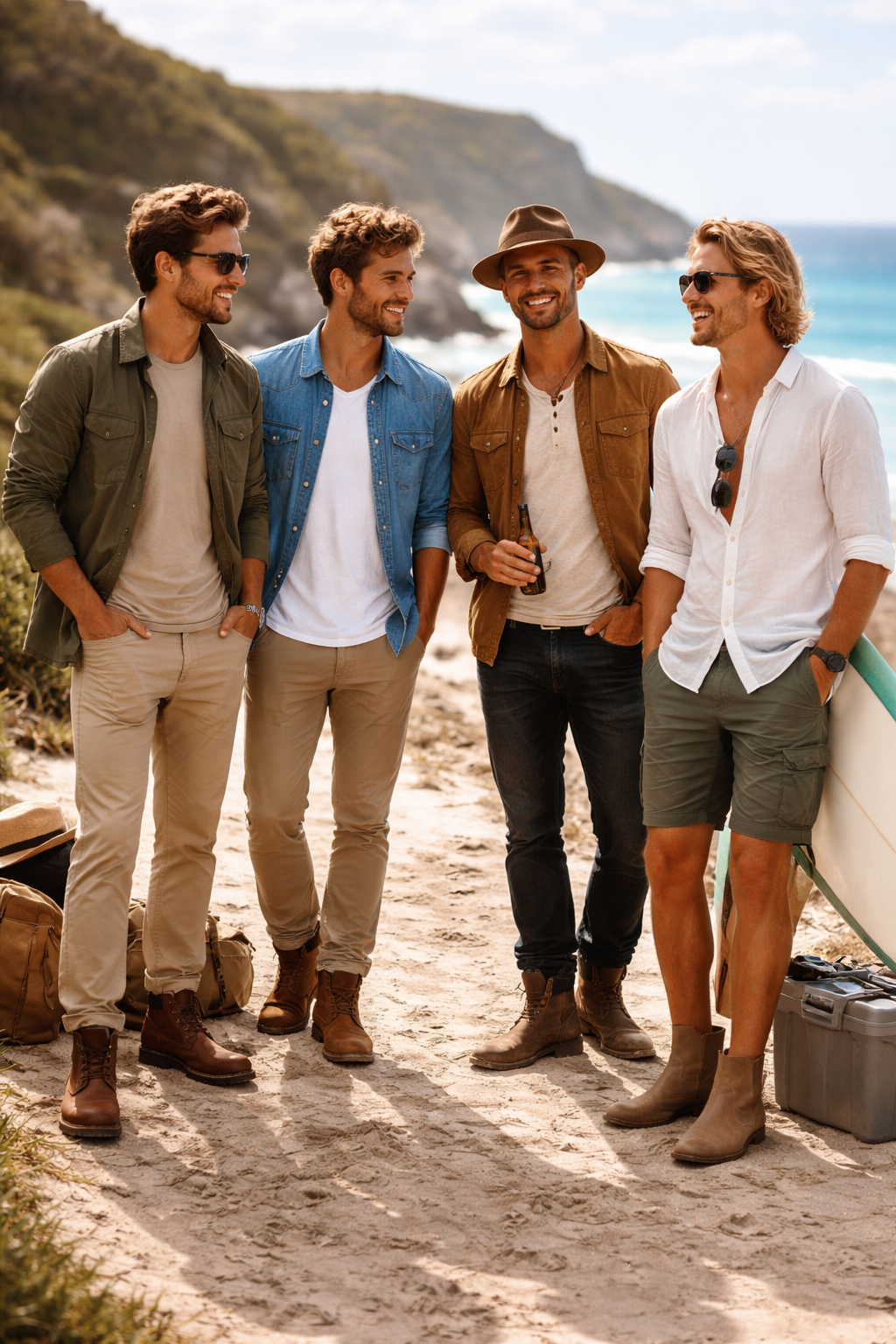
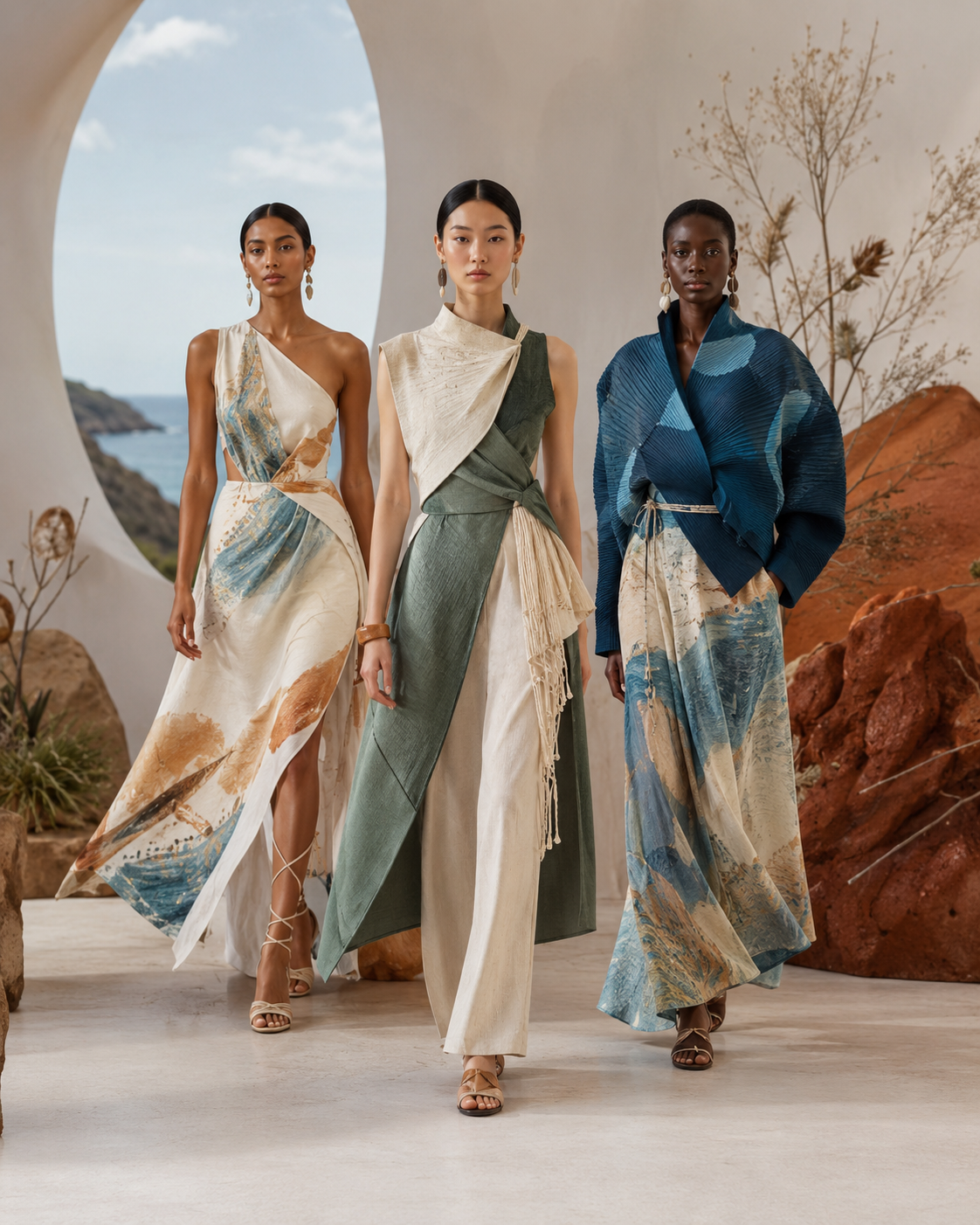
Sustainable fashion in Australia often prioritizes natural fibers such as organic cotton, linen, and ethically sourced wool. These materials are chosen not only for their environmental benefits but also for their ability to adapt to Australia’s varied climate. Lightweight fabrics dominate coastal fashion, while durable, insulating materials are preferred in cooler regions.
Many Australian designers focus on reducing waste through slow fashion principles. Instead of mass production, they create limited collections that emphasize quality and longevity. This approach encourages consumers to value garments as long-term investments rather than disposable items.
Recycling and upcycling are also central to Australia’s eco-fashion movement. Some brands repurpose discarded textiles, fishing nets, or industrial waste into innovative fabrics. This practice not only reduces environmental impact but also creates unique textures and designs that reflect creativity and environmental awareness.
Color palettes in sustainable Australian fashion are often inspired by natural landscapes. Earth tones such as sand, clay, eucalyptus green, and ocean blue dominate collections. These colors reflect the harmony between clothing and environment, reinforcing the idea that fashion should coexist with nature rather than exploit it.
Beyond materials, ethical production practices are a key focus. Many brands ensure fair wages, safe working conditions, and transparent supply chains. Local manufacturing is encouraged to reduce carbon footprints associated with global shipping.
Educational initiatives and fashion councils in Australia also promote sustainability by supporting emerging designers who prioritize eco-conscious methods. Fashion schools incorporate environmental responsibility into their curriculum, shaping a new generation of designers who value ecological balance.
Consumers in Australia are also becoming more aware of sustainable choices. There is growing demand for transparency in how clothing is made, leading brands to adopt clearer labeling and storytelling around their production processes.
Sustainable fashion in Australia ultimately reflects a broader cultural respect for the environment. It is not just a trend but a shift in mindset, where clothing becomes part of a larger effort to protect natural resources and preserve the beauty of the Australian landscape.