In the competitive arenas of Sydney and Melbourne’s business districts, a new currency of status has emerged: sustainability. The modern Australian professional is no longer defined solely by the brand name on their lapel, but by the story behind the fabric. As climate consciousness permeates every sector of society, the concept of “fast fashion” has become an anathema to the modern office, driving a significant shift towards eco-conscious tailoring and durable, ethical workwear.
Merino Wool and the Local Advantage
Australia has a distinct advantage in this movement: it is the world’s leading producer of Merino wool. This isn’t the scratchy wool of decades past. Modern Merino is a technical marvel—ultra-fine, breathable, temperature-regulating, and biodegradable. It allows professionals to cycle to work in a Melbourne winter or walk from a meeting to a dinner without overheating.
Brands are capitalizing on this by creating “traceable” suits. Consumers can now scan a QR code on a blazer to see the specific farm in regional Victoria or Tasmania where the wool was sourced. This radical transparency is becoming a powerful marketing tool. The 2026 “State of the Industry” report by the Australian Fashion Council highlights that garments with verified sustainability certifications are outselling their conventional counterparts by a margin of 3 to 1 in the professional wear sector (Source: Australian Fashion Council – Sustainability Index 2026).
The Shift from Ownership to Access
The linear model of “buy, wear, discard” is collapsing in the face of rental and resale platforms. For many young professionals, owning a $2,000 designer suit is less appealing than renting a high-quality, sustainable piece for a crucial client presentation. This “access economy” allows workers to rotate their style without contributing to landfill.
Furthermore, the second-hand market for premium workwear has exploded. Platforms dedicated to “pre-loved” designer labels are thriving, as savvy professionals realize that a vintage, well-constructed wool blazer from a heritage brand often outshines a newly manufactured synthetic jacket in both quality and character. This circular economy is not just about saving money; it is a conscious rejection of the wastefulness that has plagued the fashion industry.
The Aesthetic of Sustainability
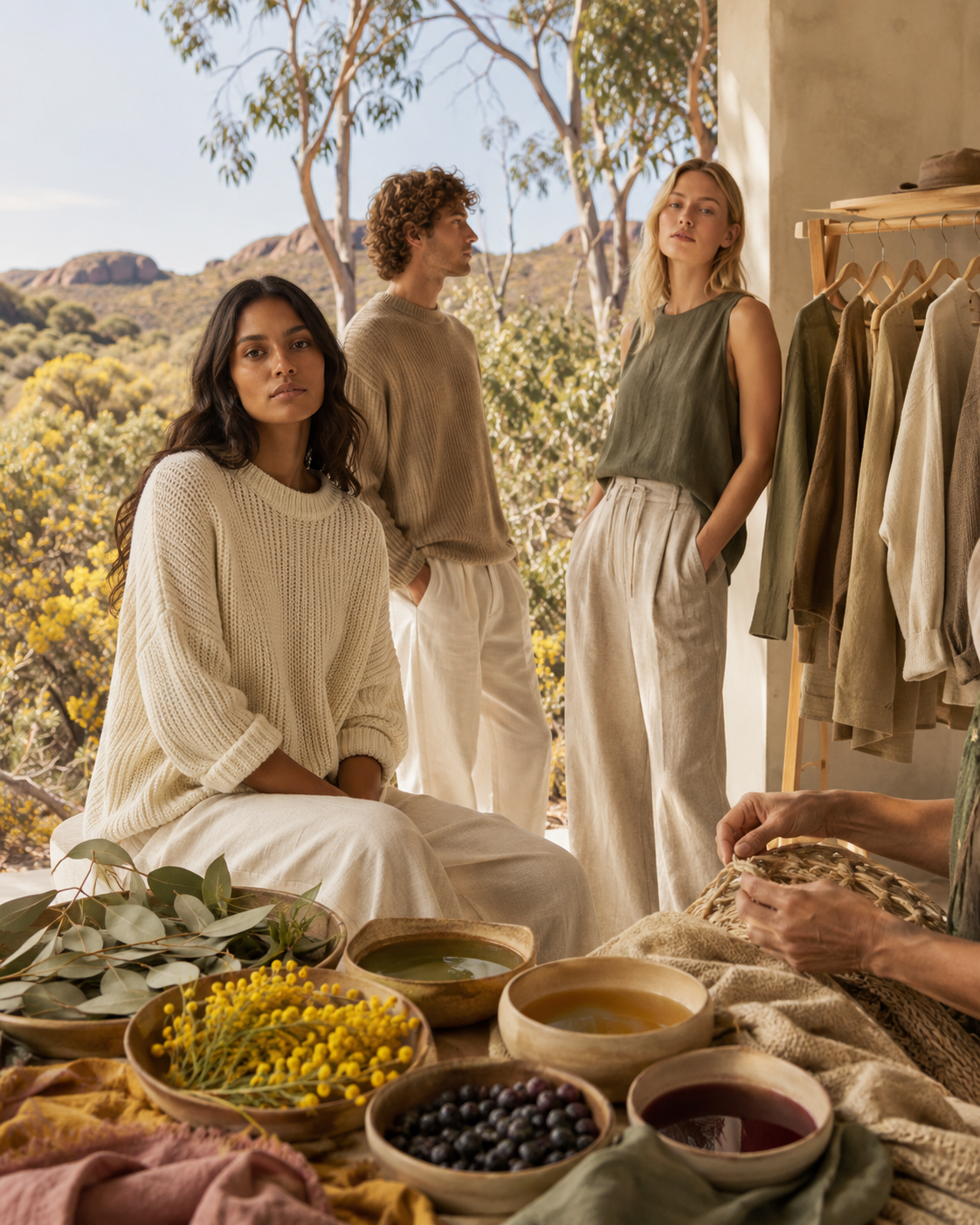
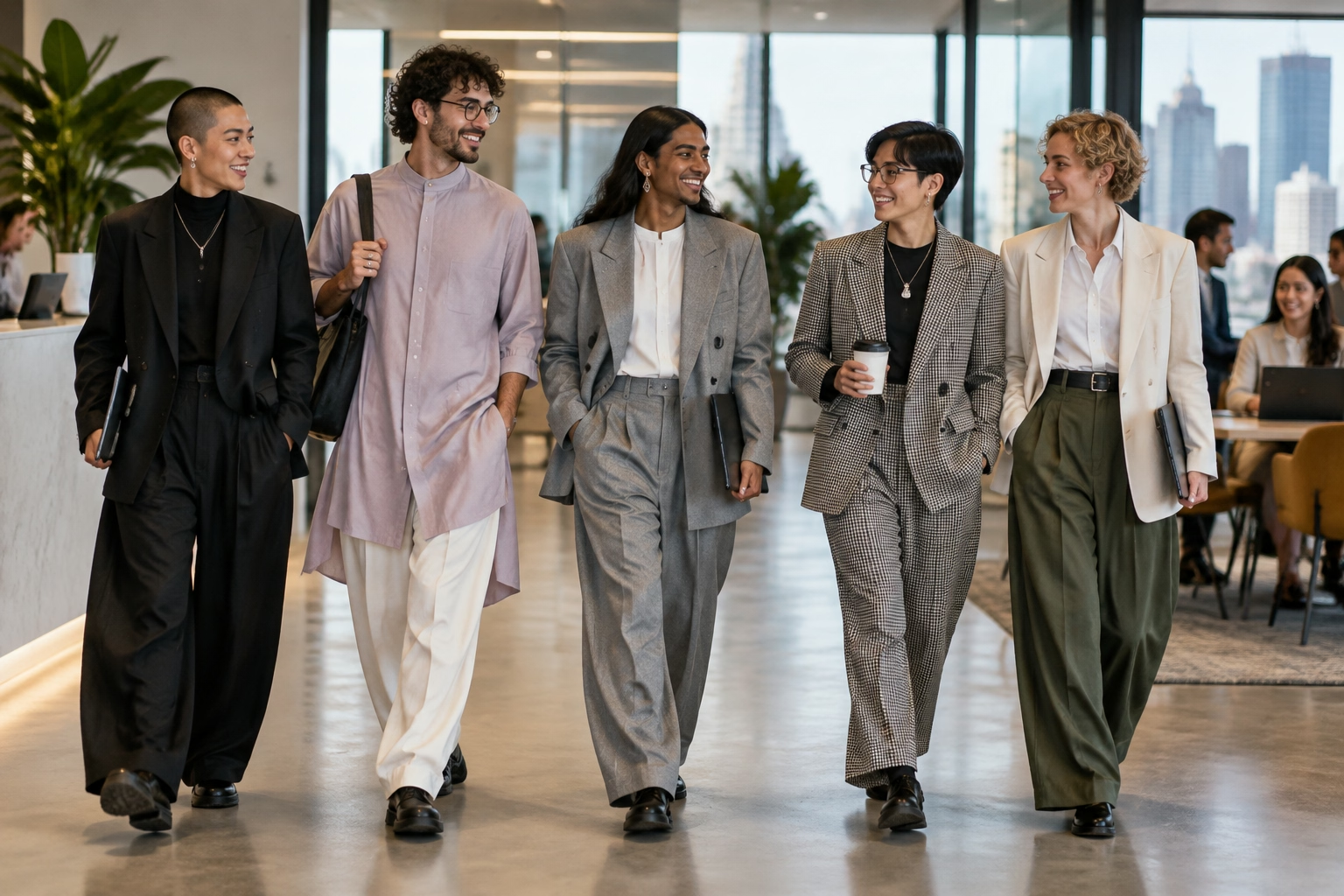
Visually, sustainable fashion in the Australian workplace is characterized by earthy tones, natural textures, and relaxed silhouettes. The stiffness of petrochemical-based fabrics is gone, replaced by the fluid drape of organic cotton, hemp, and lyocell. In creative and tech sectors, employees are actively encouraged to support local designers who prioritize small-batch production and artisanal craftsmanship. The result is a workplace aesthetic that feels distinctly human, grounded, and authentic, reflecting a broader societal shift towards value-based consumption.