Australia has witnessed a notable shift in fashion, where sustainability and environmental responsibility are now at the forefront. Designers are increasingly prioritizing local natural fibers to create garments that are both stylish and eco-friendly. This movement responds to global concerns about the environmental footprint of conventional textile production, which relies heavily on synthetic materials and long supply chains.
Merino wool is among the most celebrated natural fibers in Australia. Its fine, soft texture makes it ideal for garments ranging from casual knitwear to high-performance outdoor apparel. Beyond comfort, wool is a renewable resource, biodegradable, and naturally temperature-regulating, making it an excellent alternative to synthetic fabrics. Australian brands frequently source wool directly from local farms, ensuring ethical treatment of animals while promoting regional economies.
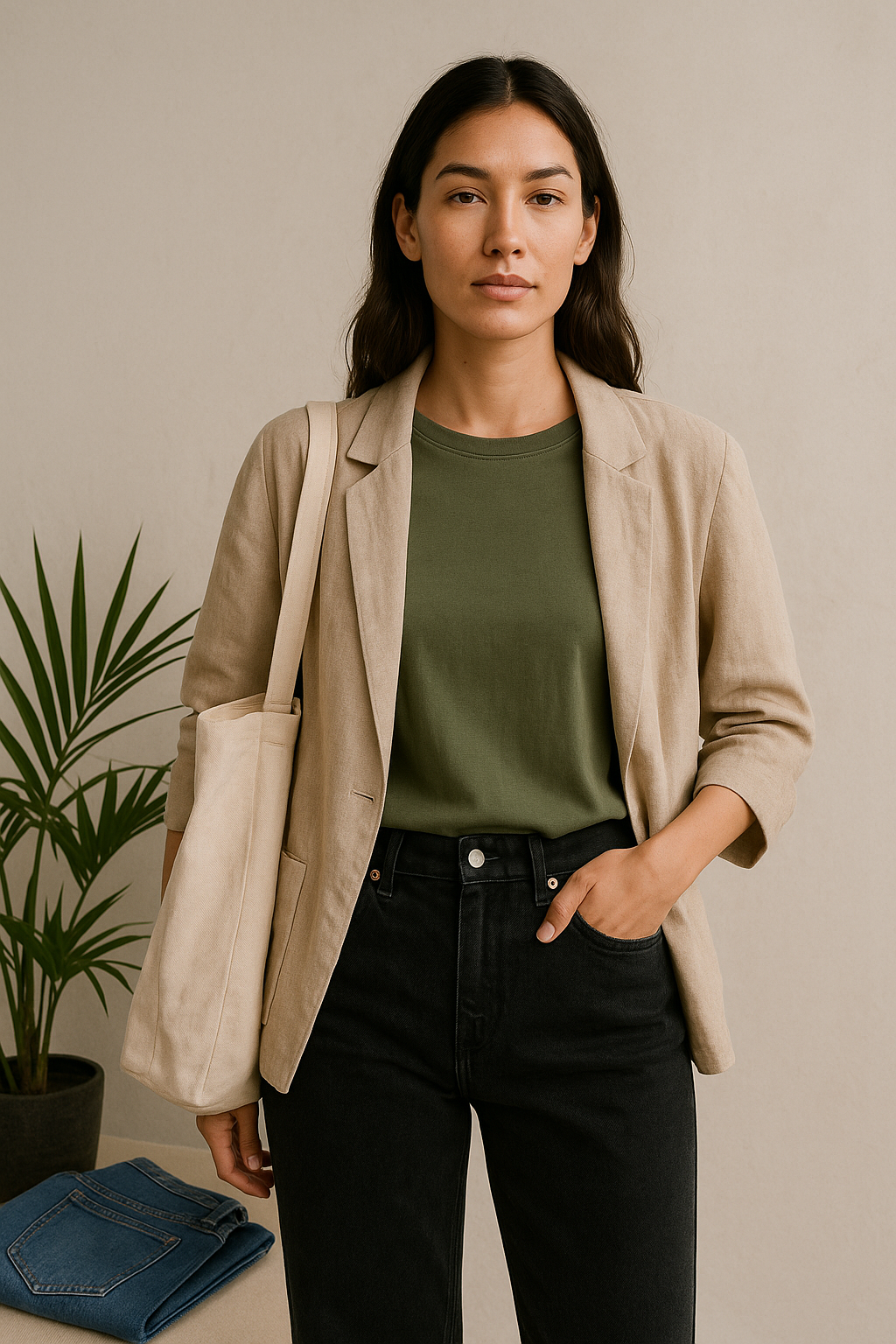
Organic cotton is another cornerstone of sustainable fashion in Australia. Unlike conventional cotton, organic varieties are cultivated without harmful chemicals, preserving soil quality and reducing water usage. Designers have embraced this fabric for t-shirts, dresses, and children’s wear, emphasizing its softness, durability, and minimal environmental impact. By focusing on local production, the Australian industry significantly reduces the carbon footprint associated with shipping raw materials internationally.
The use of hemp is also gaining traction. This versatile plant grows quickly, requires little irrigation, and improves soil fertility. Hemp fibers are strong, breathable, and highly durable, lending themselves to jackets, trousers, and eco-friendly accessories. Australian designers experiment with weaving and blending hemp with other natural fibers to create innovative fabrics that combine traditional craftsmanship with contemporary fashion.
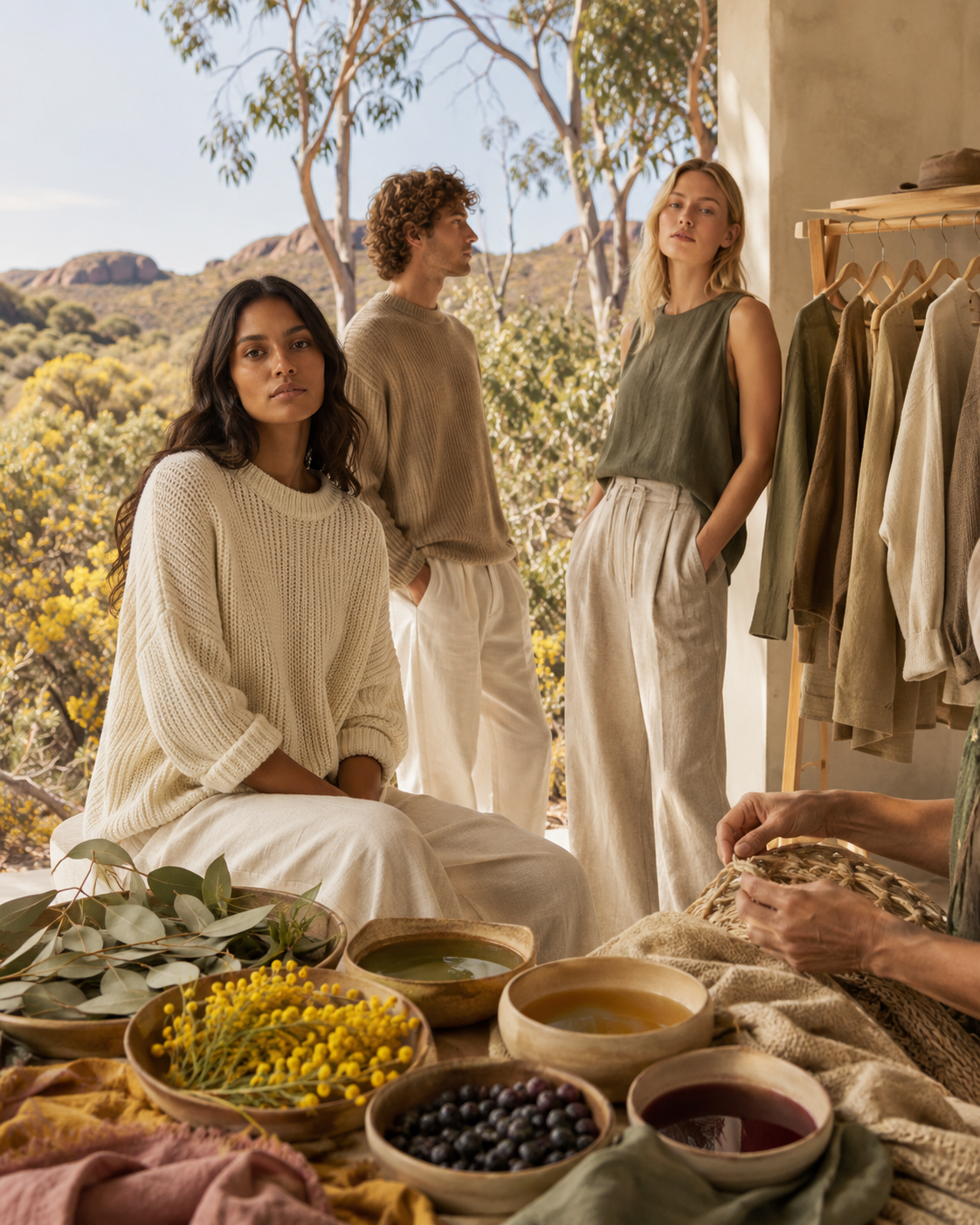
Coloration plays a crucial role in environmentally conscious clothing, and Australia is rich in natural sources. Dyes derived from native plants, such as wattle, eucalyptus, and indigo, offer a palette of earthy tones while avoiding the pollution caused by synthetic dyes. Garments colored with natural pigments not only reduce chemical runoff but also celebrate the unique biodiversity of the Australian landscape, allowing fashion to tell a story about its origins.
Community engagement has also been central to sustainable clothing initiatives. Many brands collaborate with Indigenous artisans who bring expertise in traditional dyeing, weaving, and embroidery. This partnership ensures the preservation of cultural knowledge while promoting local craftsmanship. Such garments carry authenticity and purpose, blending eco-consciousness with cultural heritage.
The shift toward local, nature-based textiles signifies more than a trend; it reflects a growing awareness of environmental stewardship and ethical consumption in Australia. By sourcing fibers like Merino wool, organic cotton, and hemp locally, and utilizing natural dyes, designers create clothing that respects both people and the planet. Consumers increasingly seek garments with transparency, sustainability, and quality—a combination that Australian natural-fiber fashion delivers consistently.