On any given weekend in 2026, thousands of Australians are not heading to shopping malls. They are queuing outside community halls, warehouse spaces, and park pavilions for vintage markets, kilo sales, and retro swap meets. The rise of vintage fashion in Australia is not just about clothing. It is about belonging. Across the country, local communities have formed around a shared love of retro aesthetics, turning what was once a solitary thrift hunt into a vibrant social calendar.
Vintage Markets as Cultural Hubs
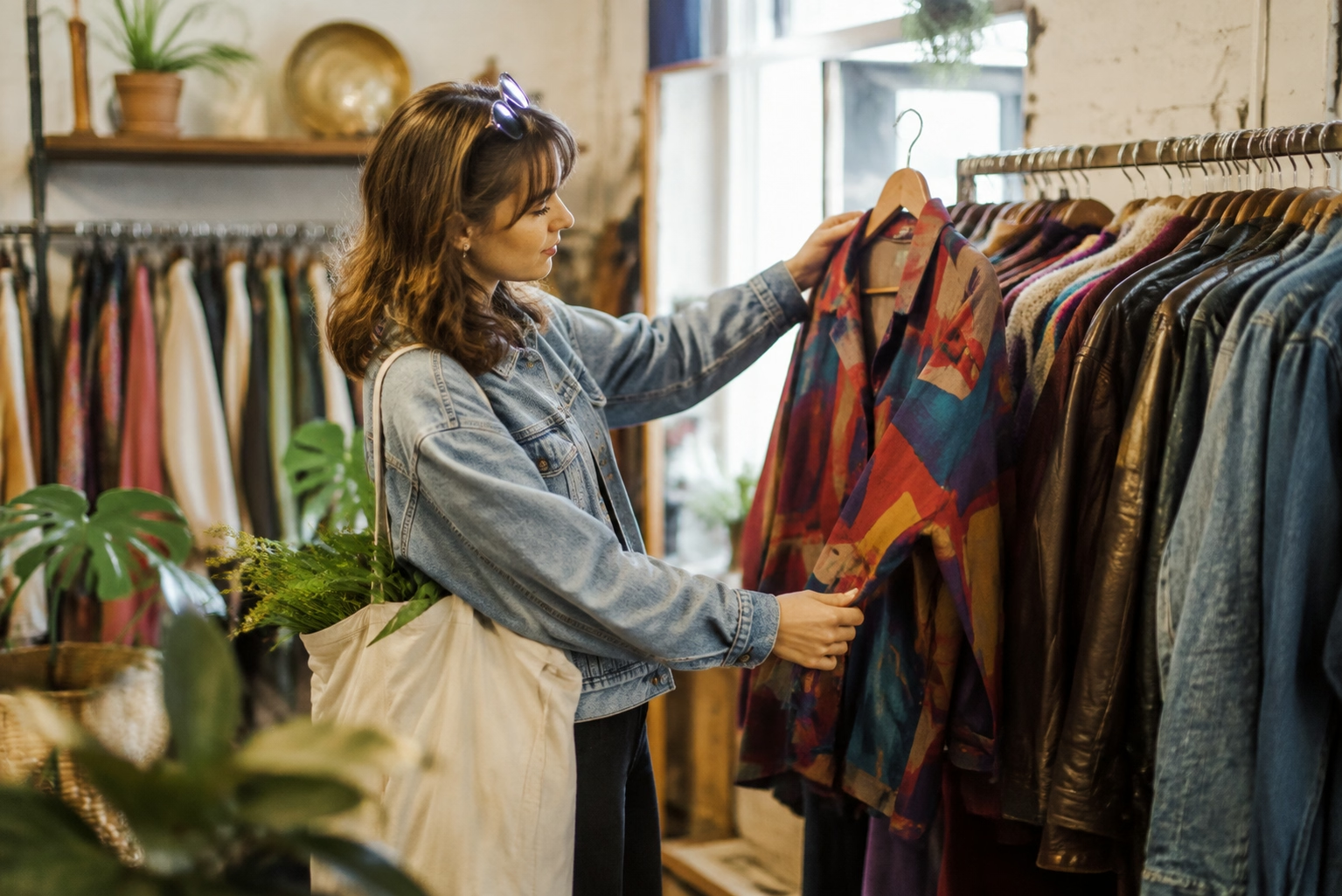
The Round She Goes Market, which has run in Adelaide, Melbourne, and Sydney for over a decade, reported a 40 percent increase in stallholder applications in early 2026. Organisers had to expand venue capacity and introduce timed entry sessions to manage demand. These markets are not simply places to buy clothes. They function as meetups for collectors, stylists, and curious newcomers. Shoppers swap styling tips, share sourcing stories, and build friendships over racks of 1960s shift dresses and 1980s denim jackets.
Kilo Sales and Social Shopping
Kilo sales — where customers pay by weight rather than per item — have exploded in popularity. Events like the Vintage Kilo Sale in Brisbane and the Retro Warehouse Sale in Perth attract hundreds of buyers in a single afternoon. The appeal is partly economic: a high-quality wool coat might cost less than twenty dollars by weight. But the communal atmosphere is equally important. Friends attend together, dig through communal bins, and celebrate each other’s finds. Social media amplifies this experience, with attendees posting haul videos and styling transformations within hours of the event.
Digital Communities and Local Meetups
Online groups have become the connective tissue of Australia’s vintage scene. Facebook communities such as “Australian Vintage Buy Swap Sell” and “Op Shop Finds Australia” boast active memberships in the tens of thousands. These spaces are used for everything from identifying obscure garment labels to organising local thrift crawls. In 2026, several regional towns have launched their own vintage trail days, encouraging visitors to tour multiple op shops and retro boutiques in a single afternoon. The result is a decentralised network of enthusiasts who treat vintage fashion as a shared cultural practice rather than a consumer transaction.
What makes this community-driven boom so resilient is its inclusivity. You do not need a large budget to participate. A fifteen-dollar dress from a country op shop can earn as much admiration as a rare designer piece from a curated Melbourne boutique. That egalitarian spirit is the engine of the retro revival. As more Australians discover the joy of buying, wearing, and sharing pre-loved clothing, the vintage community is poised to become one of the country’s most enduring fashion subcultures.