Food festivals in Australia offer a colorful way to understand the country’s culinary personality. They gather the flavors of farms, vineyards, coastlines, multicultural neighborhoods, and Indigenous traditions into one shared experience. For visitors, these festivals are enjoyable places to eat and explore. For local communities, they are opportunities to promote regional pride, small businesses, and food heritage.
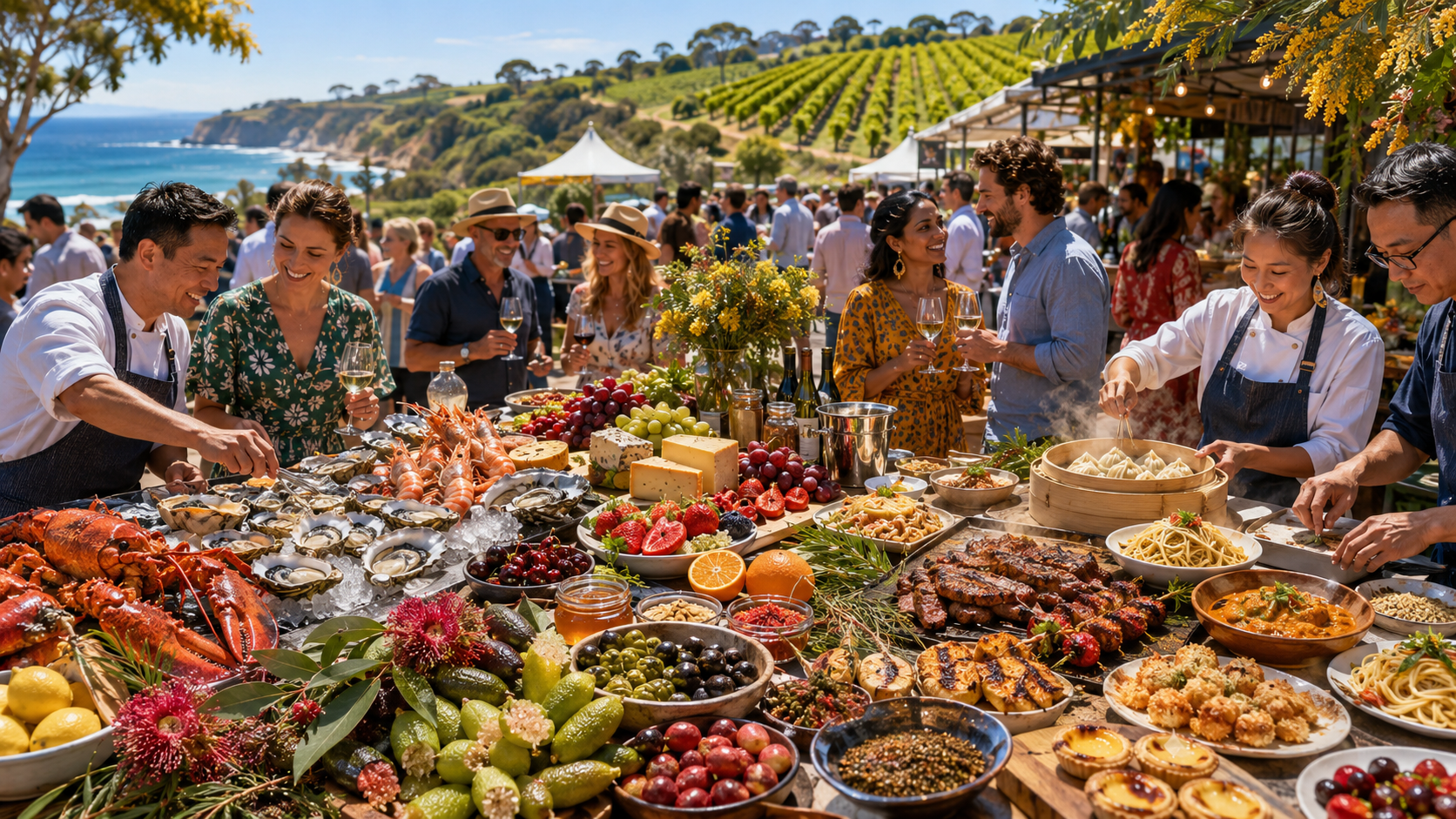
Australia’s food scene is strongly influenced by geography. Because the country is surrounded by ocean, many festivals feature seafood as a central theme. Coastal towns often celebrate oysters, prawns, crabs, fish, scallops, and lobsters through markets, tastings, competitions, and live cooking sessions. These events show how important freshness is in Australian dining. Many dishes are prepared with minimal seasoning so the natural flavor of the seafood remains clear. Lemon, herbs, butter, garlic, native spices, and light marinades are commonly used to enhance rather than overpower the ingredients.
Inland and rural regions bring another side of Australian food culture. Agricultural festivals often highlight beef, lamb, dairy, grains, honey, nuts, berries, apples, cherries, truffles, olives, and vegetables. Visitors can meet growers, learn about seasonal harvesting, and taste products made close to where they were produced. This direct connection between producer and consumer is one of the biggest strengths of food festivals. It reminds people that every meal begins with land, labor, weather, and skill.
Wine and food events are also a major part of Australia’s festival calendar. Many regions are known internationally for vineyards and cellar doors, and festivals in these areas often focus on pairing food with local wine. Guests may attend long-table lunches, vineyard picnics, tasting trails, chef-led dinners, or workshops about matching wine with cheese, seafood, meat, or dessert. These experiences show how food festivals can be both relaxed and educational, giving people a deeper appreciation of regional flavor.
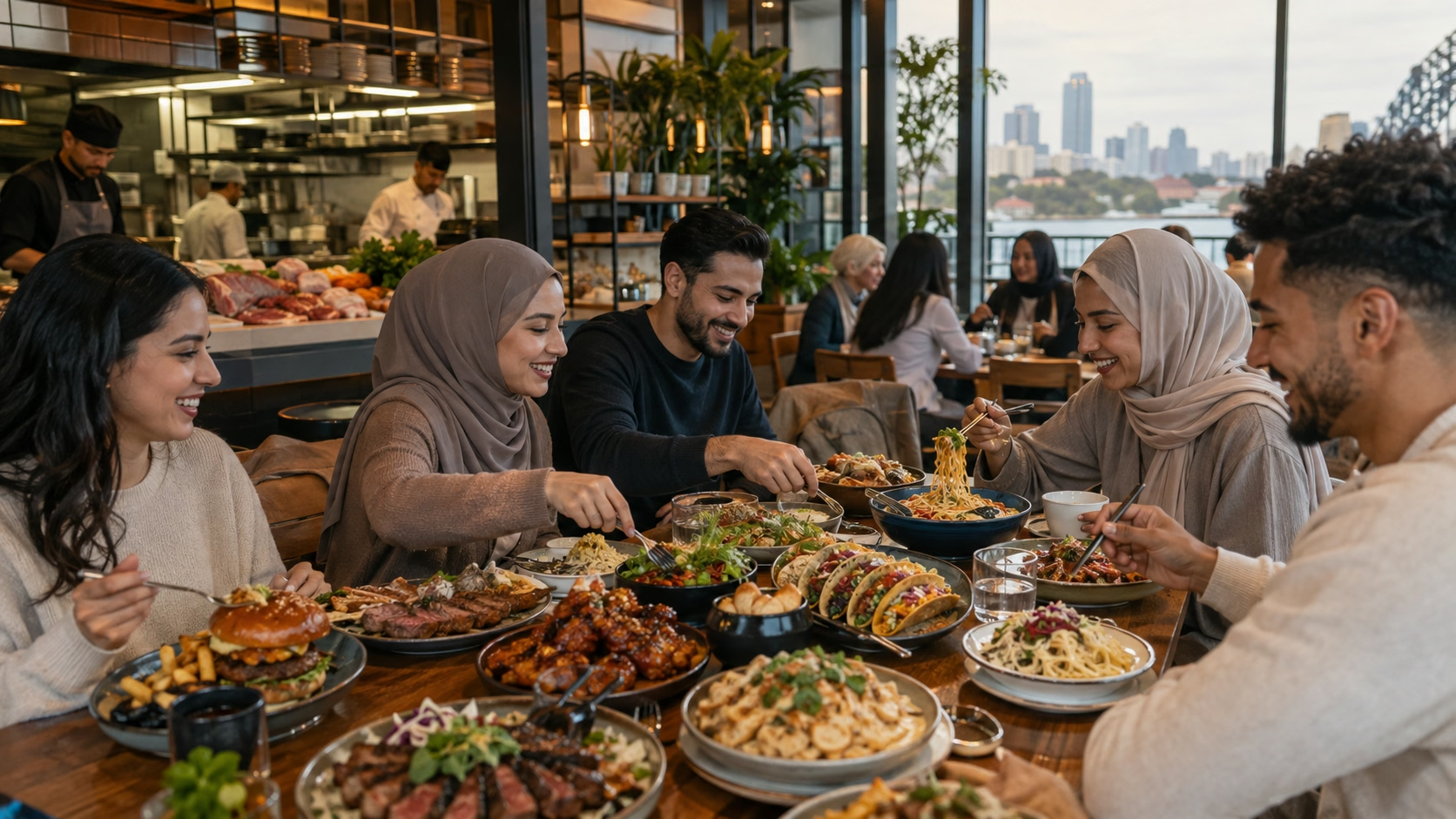
Australia’s multicultural communities add enormous variety to the festival experience. Large cities regularly host food events that celebrate global cuisines. These festivals may include Italian pasta, Greek pastries, Chinese dumplings, Malaysian laksa, Indian curries, Middle Eastern grilled meats, Vietnamese bánh mì, Japanese ramen, Korean barbecue, and Mexican tacos. Such events are not only about food stalls. They often include music, performances, craft displays, cultural storytelling, and family activities. This creates an atmosphere where cuisine becomes a bridge between cultures.
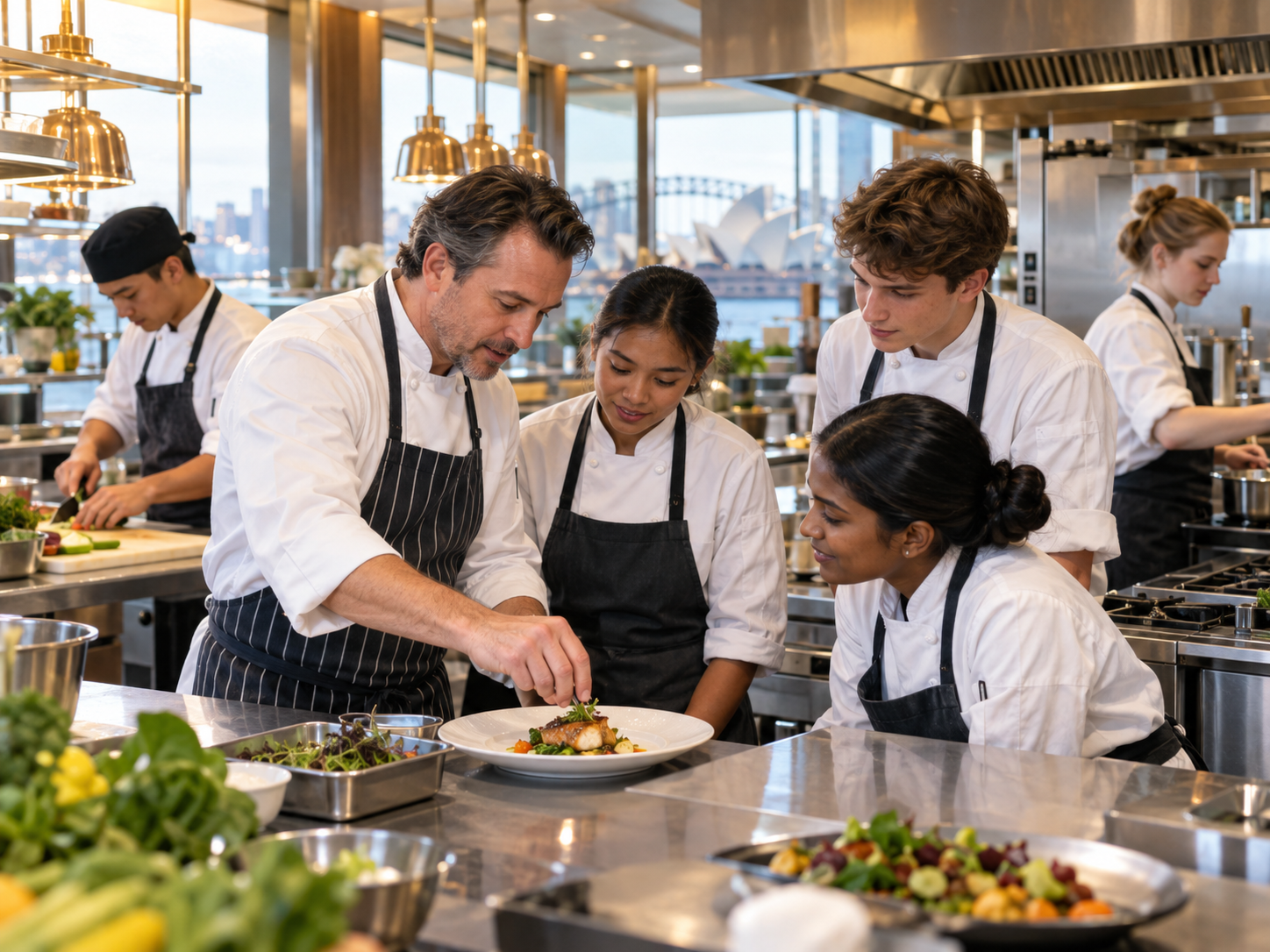
Another important development is the growing recognition of native Australian ingredients. Food festivals increasingly introduce visitors to Indigenous foods such as finger lime, wattleseed, lemon myrtle, bush plum, saltbush, and mountain pepper. These ingredients have been used for thousands of years, and their presence in modern festivals encourages a wider understanding of Australia’s oldest food traditions. Chef demonstrations and educational talks can help people learn how native ingredients are used in sauces, desserts, marinades, breads, teas, and savory dishes.
Food festivals also play a practical role in tourism and business. They attract domestic and international travelers, support local restaurants, provide income for small producers, and help regional destinations develop a stronger identity. A small town known for cheese, oysters, wine, or fruit can become a memorable destination through a well-organized festival.
Overall, Australia’s food festivals reveal a nation with many culinary voices. They celebrate local produce, ocean harvests, Indigenous knowledge, immigrant traditions, and modern creativity. By walking through these festivals, tasting different dishes, and listening to the stories behind them, visitors gain a fuller understanding of Australia’s rich and constantly developing food culture.