Australia’s cafe industry has entered a new phase where success depends on more than producing high-quality coffee. Modern cafe operators are adapting to changing consumer lifestyles, rising operational costs, digital transformation, and increasing demand for personalized experiences. The industry’s development reflects how traditional hospitality businesses can evolve while maintaining strong cultural connections.
The Shift From Coffee Shops to Lifestyle Destinations
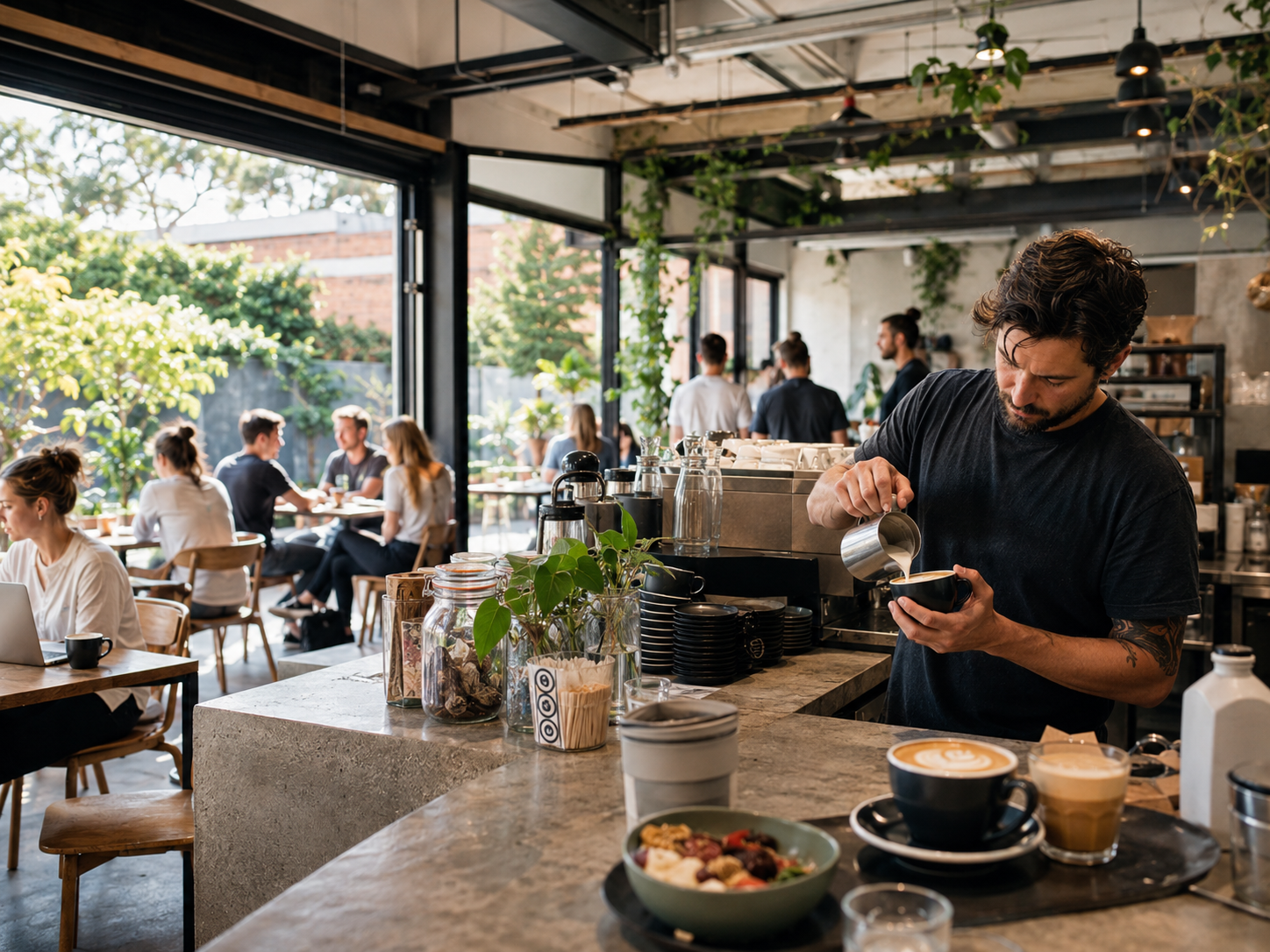
Australian cafes have gradually transformed from simple beverage providers into multifunctional lifestyle spaces. Customers now visit cafes not only for coffee but also for social interaction, remote work, networking, and personal relaxation.
This change has encouraged business owners to rethink cafe design and service strategies. Many establishments now create comfortable environments with high-speed internet, flexible seating arrangements, and carefully designed interiors that encourage customers to stay longer.
Cities such as Melbourne and Sydney demonstrate this transformation through their diverse cafe ecosystems. Small neighborhood cafes compete by developing strong identities, unique menus, and community connections rather than relying only on product sales.
Digital Technology Reshapes Cafe Operations
Technology has become one of the most important factors influencing the modern Australian cafe industry. Digital payment systems, online ordering platforms, customer loyalty applications, and automated inventory management tools have improved operational efficiency.
According to Australia’s Digital Economy statistics from the Australian Government, digital adoption continues to influence how businesses improve productivity and customer engagement:
https://www.industry.gov.au/publications/digital-economy-strategy
For cafe owners, technology provides opportunities to understand customer behavior and optimize daily operations. Data collected from ordering patterns can help businesses develop targeted promotions, improve menu decisions, and reduce unnecessary waste.
The Growth of Personalization and Premium Services
Australian coffee consumers have developed sophisticated expectations. Many customers are willing to pay more for premium products when they receive greater value through quality, authenticity, and service.
Cafes increasingly offer customized beverage options, alternative milk choices, seasonal coffee selections, and specialty food pairings. These strategies help businesses create stronger customer loyalty in a highly competitive environment.
The rise of specialty coffee has also increased demand for skilled baristas. Professional coffee preparation has become a recognized craft, with competitions, training programs, and dedicated coffee communities supporting industry development.
Real-World Challenge: Managing Rising Business Costs
While Australia’s cafe culture remains strong, operators face significant challenges including rent increases, labor expenses, supply chain pressures, and changing consumer spending habits.
Many businesses are responding through operational innovation. Some cafes are improving efficiency through better supplier relationships, simplified menus, and stronger online sales channels.
The ability to balance quality with financial sustainability has become one of the biggest factors determining long-term success.
The Future Direction of Australia’s Cafe Market
Australia’s cafe industry is expected to continue evolving through a combination of tradition and innovation. Businesses that successfully integrate technology, sustainability, and customer-focused experiences will have stronger opportunities in the future.
The Australian cafe sector demonstrates that coffee is no longer only a daily beverage choice. It has become part of a broader cultural and economic ecosystem influenced by creativity, entrepreneurship, and modern consumer expectations.