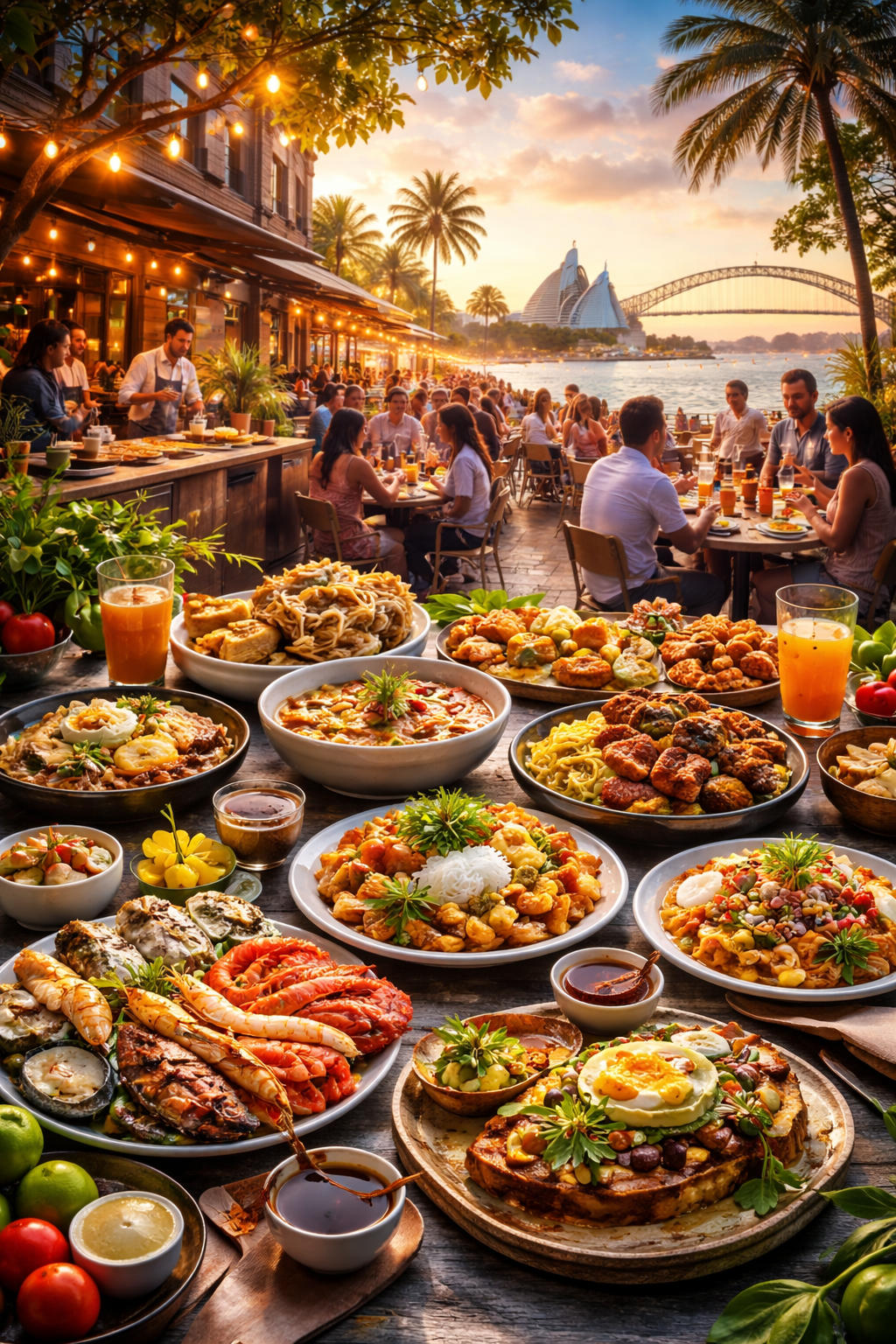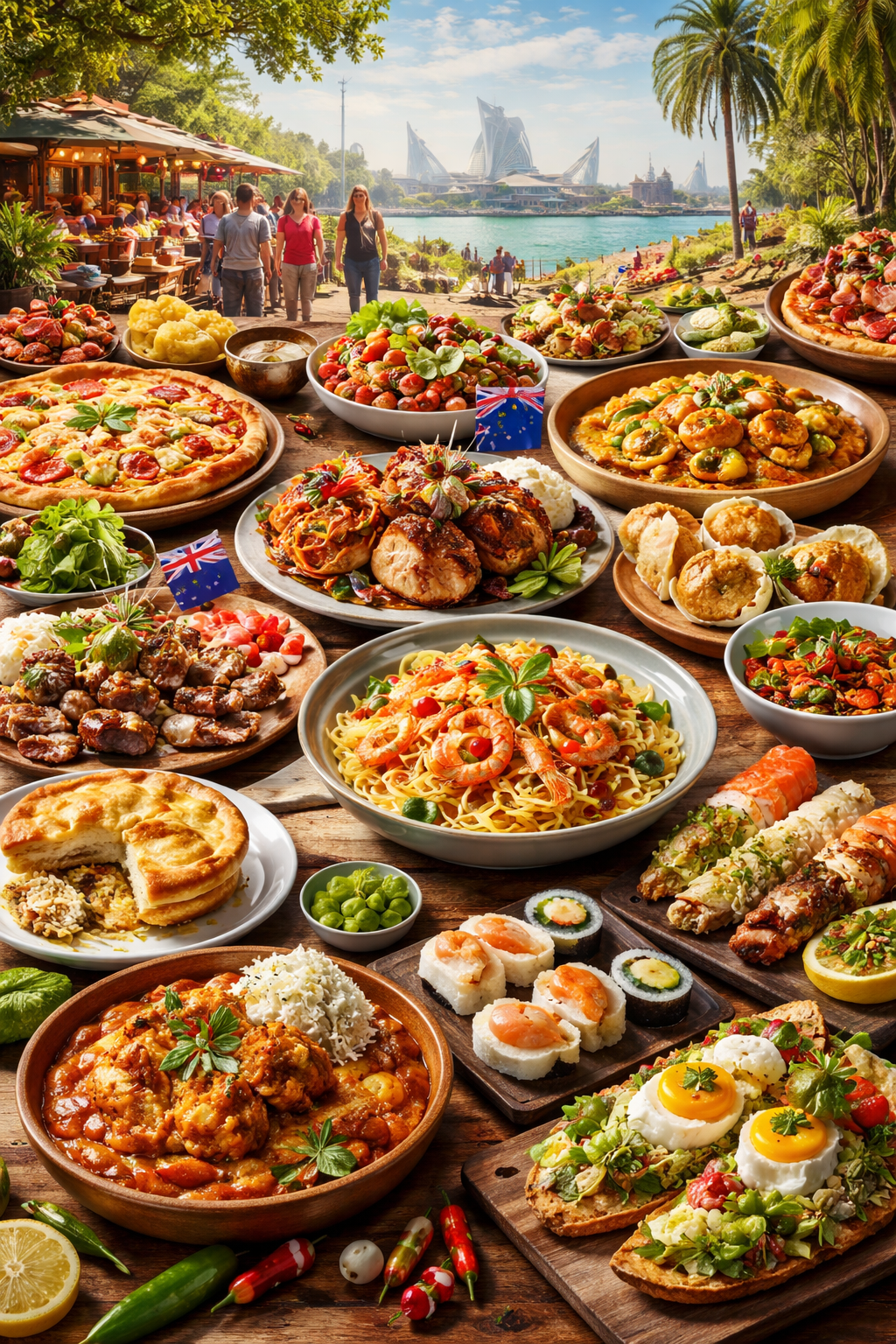
Australia’s pastry cabinet is a map of the world. A single bakery in Melbourne might sell Greek bougatsa, Italian cannoli, Vietnamese banh mi, and a native pepperberry lamington side by side. This culinary diversity did not happen by accident; it is the product of decades of migration that turned a former British colony into one of the most exciting pastry destinations in the Asia-Pacific.
The Post-War Bakery Revolution
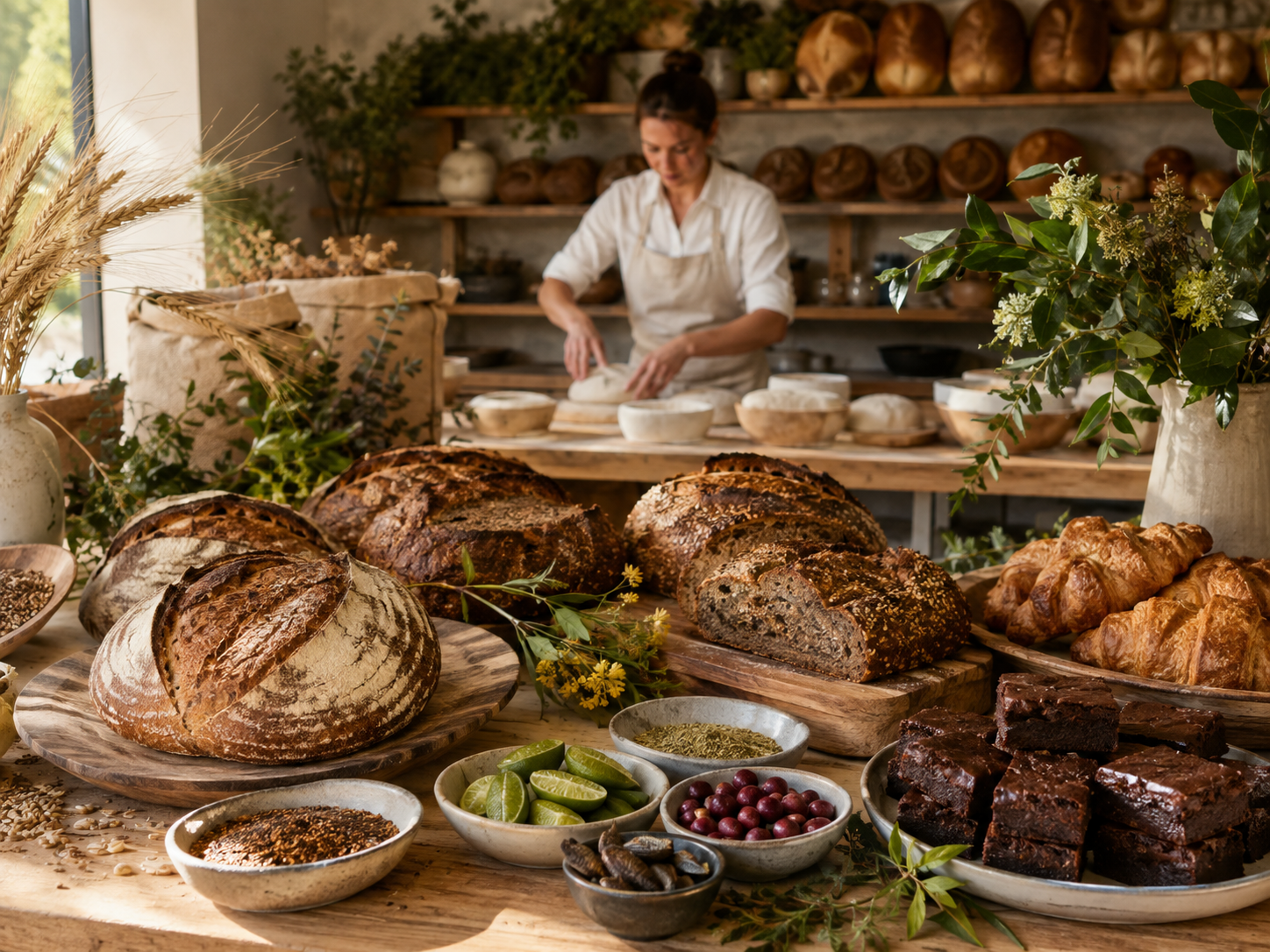
Until the mid-20th century, Australian bakeries were dominated by British-style pies, lamingtons, and sponge cakes. The arrival of European migrants after World War II introduced new flour types, lamination methods, and coffee cultures. Italian and Greek bakers opened corner shops that sold continental breads and sweet pastries previously unknown to most Australians. These family-run businesses became neighbourhood institutions, training a generation of local bakers in techniques such as croissant lamination, choux pastry, and filo handling.
Italian, Greek, and Vietnamese Contributions
Italian migrants brought espresso machines and a tradition of baking sweet breakfast pastries, while Greek communities introduced honey-soaked desserts and savoury spinach pies. Vietnamese migration in the 1980s added a distinctly Asian layer, transforming the crusty white roll into a vessel for pâté, pickled carrot, and coriander. The banh mi quickly became one of Australia’s most popular lunch items, blurring the line between bakery and fast food. These contributions expanded the definition of Australian pastry far beyond its British roots.
Indigenous and Asian Ingredients in Pastry
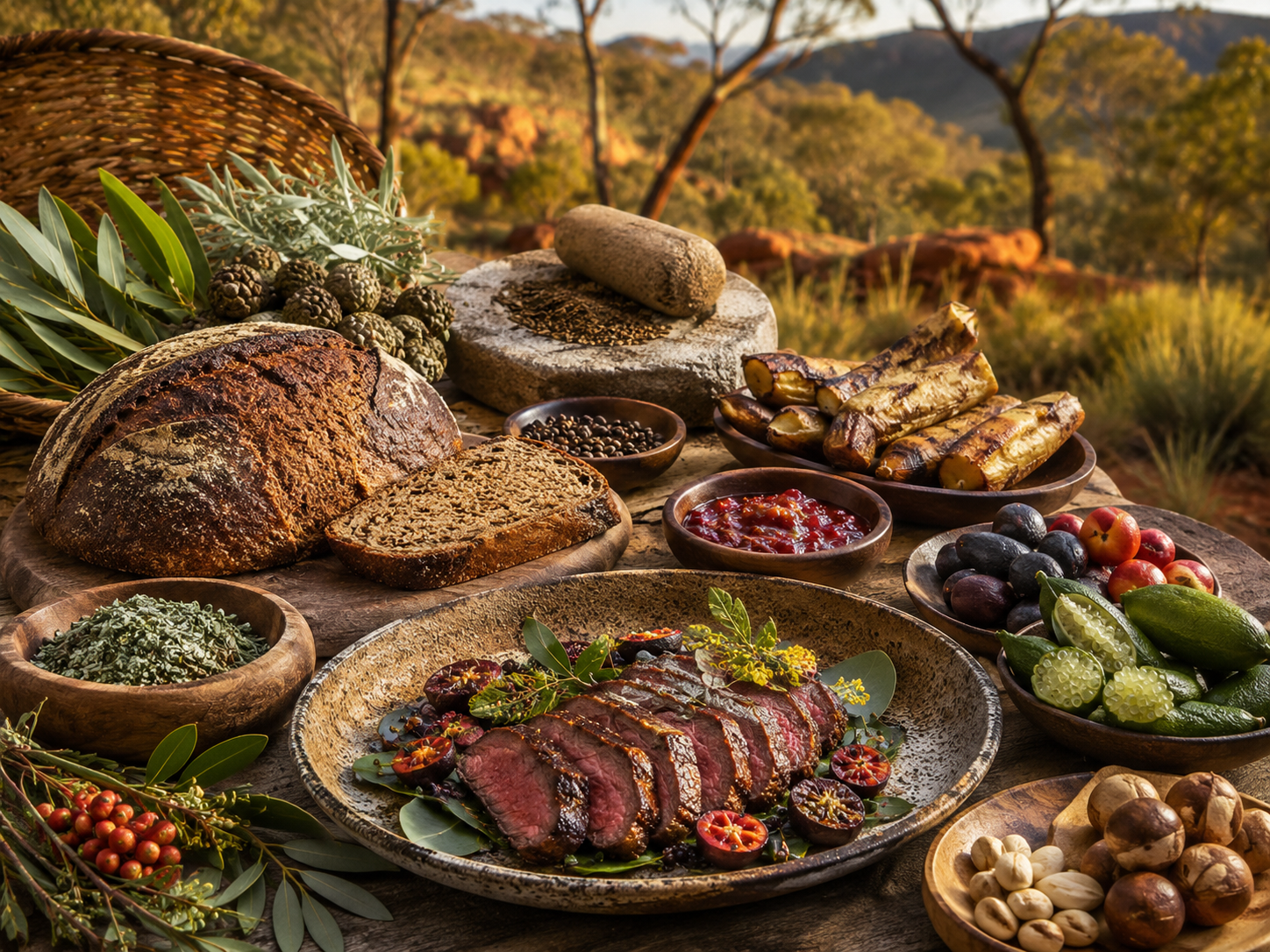
More recently, Australian pastry chefs have turned to native ingredients such as wattleseed, finger lime, lemon myrtle, and Davidson plum. These ingredients add uniquely Australian acidity and spice to traditional European bases. At the same time, the influence of Japanese and Korean pastry has grown, with yuzu curd, matcha ganache, and black sesame praline appearing in high-end patisseries. The modern lamington is a perfect example: it may now be filled with yuzu curd or coated in toasted wattleseed and coconut.
2026 Consumer Trends and Data
Consumer demand for diverse, culturally authentic pastry continues to rise. The Australian Bureau of Statistics’ Retail Trade series for early 2026 shows that bakery product sales within food retailing grew by 3.1 per cent year-on-year, with café and takeaway spending a key driver. You can access the latest retail trade data at ABS Retail Trade, Australia. This growth reflects a broader hospitality recovery and a willingness among consumers to pay premium prices for handcrafted, culturally specific pastries.
The multicultural momentum shows no sign of slowing. As young Australians travel, study abroad, and return with new flavour memories, the local pastry scene will continue to absorb and reinterpret global trends.