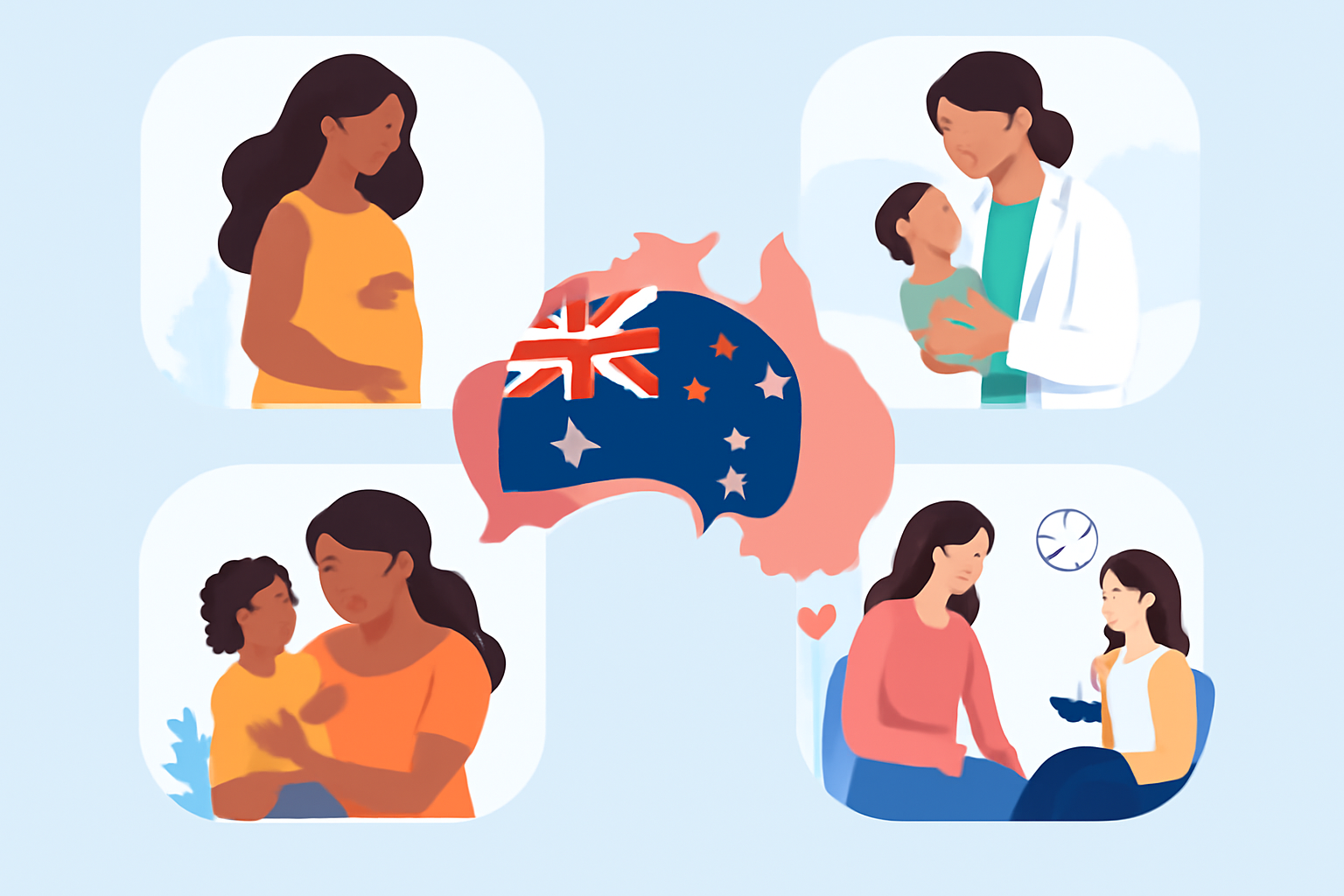
Public health education in Australia is an essential strategy for improving people’s understanding of health risks and healthy living. Rather than focusing only on medical treatment, Australia’s health promotion approach gives the public the knowledge needed to prevent illness before it becomes serious. These education programs are delivered through schools, hospitals, community centres, media campaigns, digital platforms, and local health services.
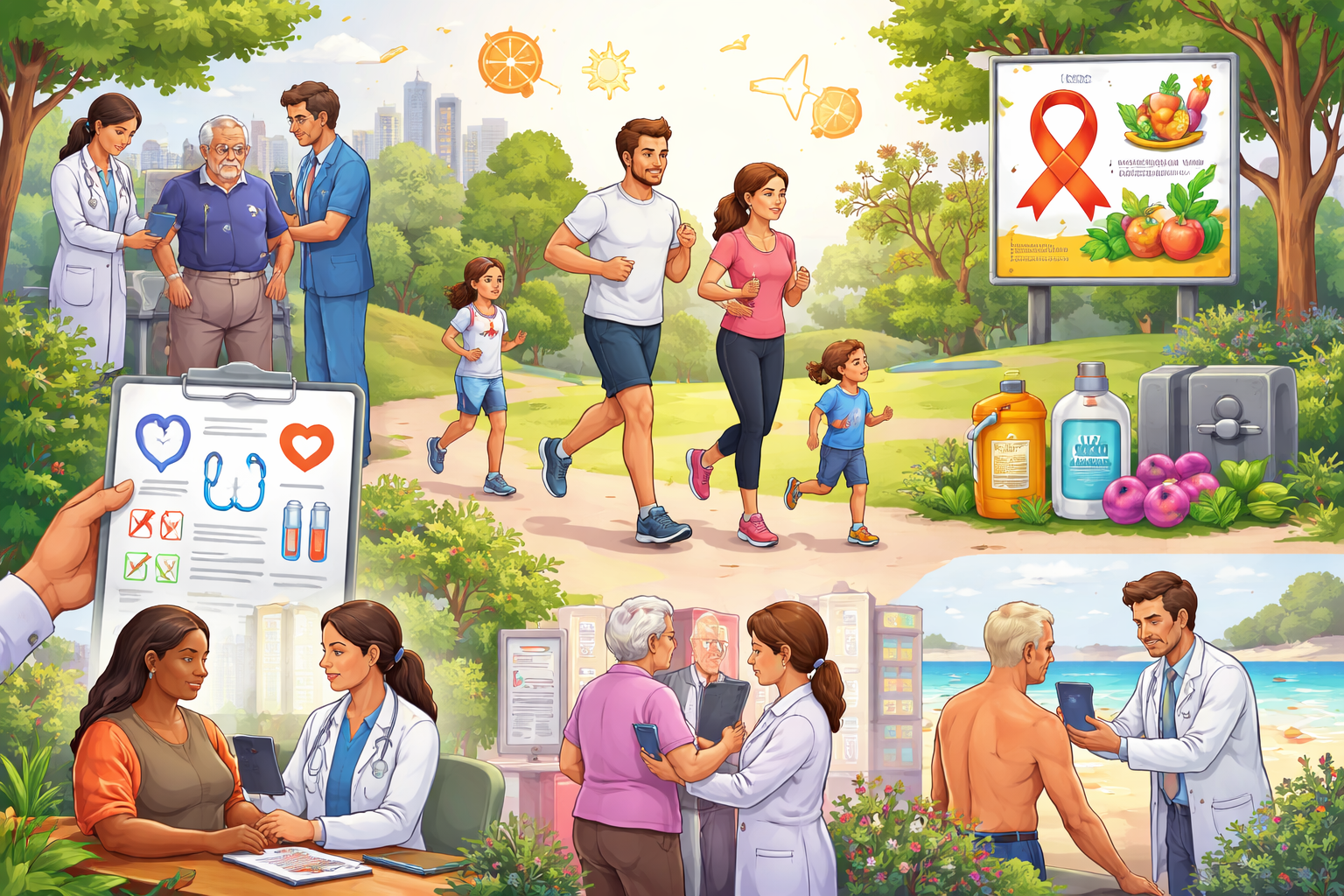
One of the strongest features of Australian health education is its focus on prevention. Many public programs teach people how daily behaviour can influence long-term health. Messages about balanced diets, regular exercise, smoking cessation, responsible alcohol use, and preventive screening are common across the country. These efforts help people recognize that health is shaped by everyday choices, family habits, working conditions, and access to reliable information.
Smoking prevention is a clear example of health education in action. Australia has used strong tobacco-control messages for many years to explain the harmful effects of smoking. Public advertisements, warning labels, community programs, and telephone support services such as Quitline have helped people understand the health consequences of tobacco use. These programs do not simply tell people to stop smoking; they also guide them toward counseling, nicotine-replacement options, and support networks.
Another important public education area is protection from ultraviolet radiation. Australia has one of the highest skin cancer risks in the world due to strong sun exposure. For this reason, campaigns such as SunSmart teach people to use sunscreen, cover their skin, wear hats, and avoid unnecessary exposure during the hottest parts of the day. These messages are often introduced in childhood through schools and reinforced in sports, tourism, and outdoor work settings.
Vaccination awareness is also central to health education in Australia. Public programs help families understand why immunisation protects not only individuals but also the wider community. Educational materials explain vaccine schedules, possible side effects, and the importance of maintaining high vaccination coverage. This type of communication is particularly valuable during disease outbreaks or when false information circulates online.
Mental health education has gained wider attention in Australia over recent years. Public campaigns now encourage people to recognize signs of emotional distress, seek help early, and support others who may be struggling. Services and organizations such as headspace, Beyond Blue, and Lifeline have contributed to broader awareness of depression, anxiety, youth mental health, and suicide prevention. These programs help reduce stigma by presenting mental health as a normal part of overall wellbeing.
Health education in Australia also needs to reflect the country’s cultural diversity. Many residents come from different linguistic, religious, and social backgrounds, so a single message may not reach everyone effectively. Government agencies and community organizations often translate health materials and work with cultural leaders to improve communication. For Aboriginal and Torres Strait Islander peoples, successful programs usually involve community participation, cultural respect, and locally designed approaches.
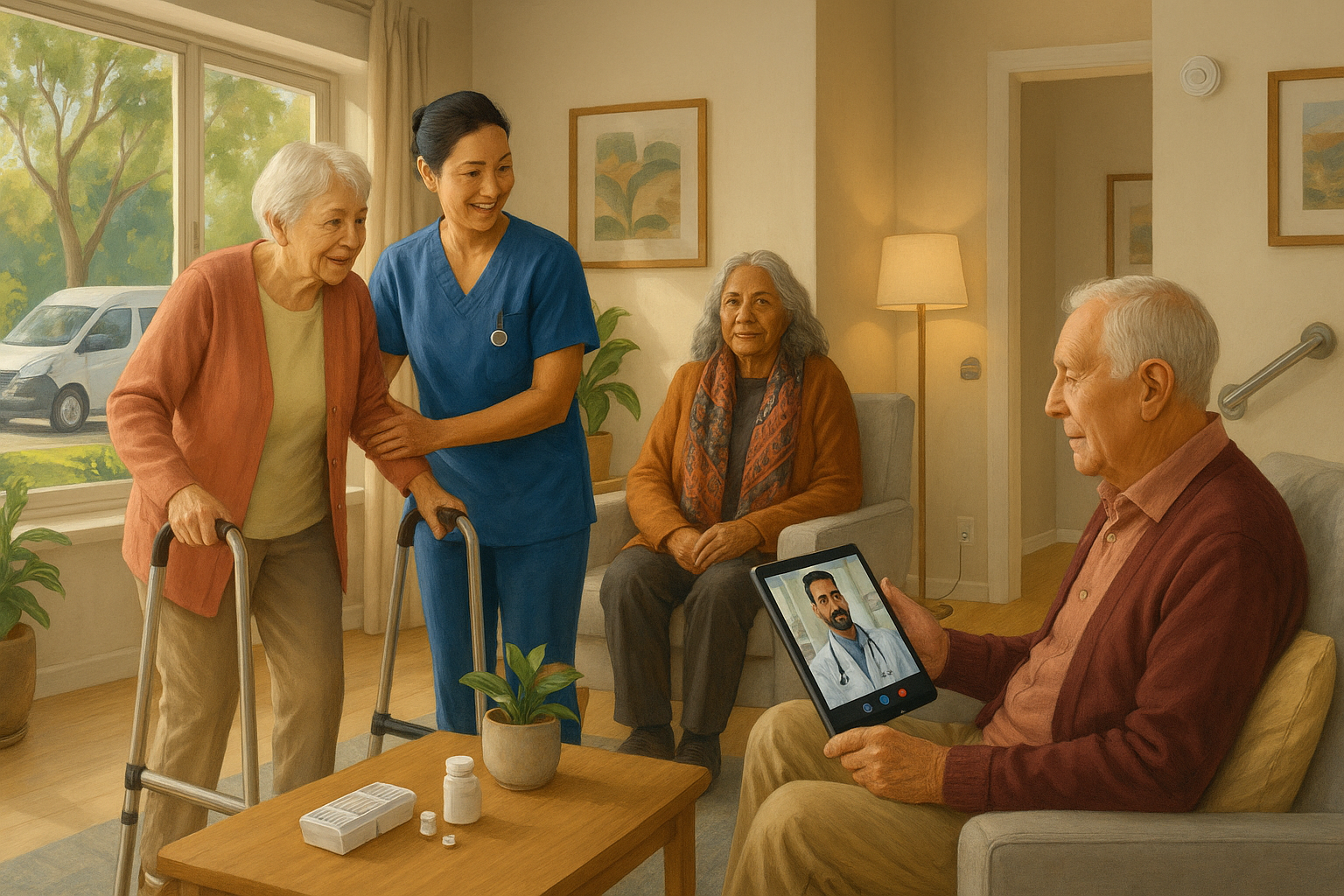
Digital technology has expanded the reach of public health education. Websites, mobile apps, social media, online videos, and telehealth services allow people to access health information quickly. However, digital education must be accurate and easy to understand, because misinformation can spread rapidly. For this reason, trusted sources such as government health departments and recognized health organizations remain very important.
Public health education in Australia demonstrates that awareness is a powerful tool. When people understand health risks and know where to find help, they are more likely to take action. Through prevention campaigns, culturally sensitive communication, and accessible services, Australia continues to strengthen public knowledge and support healthier communities.