The Paradox of Sustainable Consumption
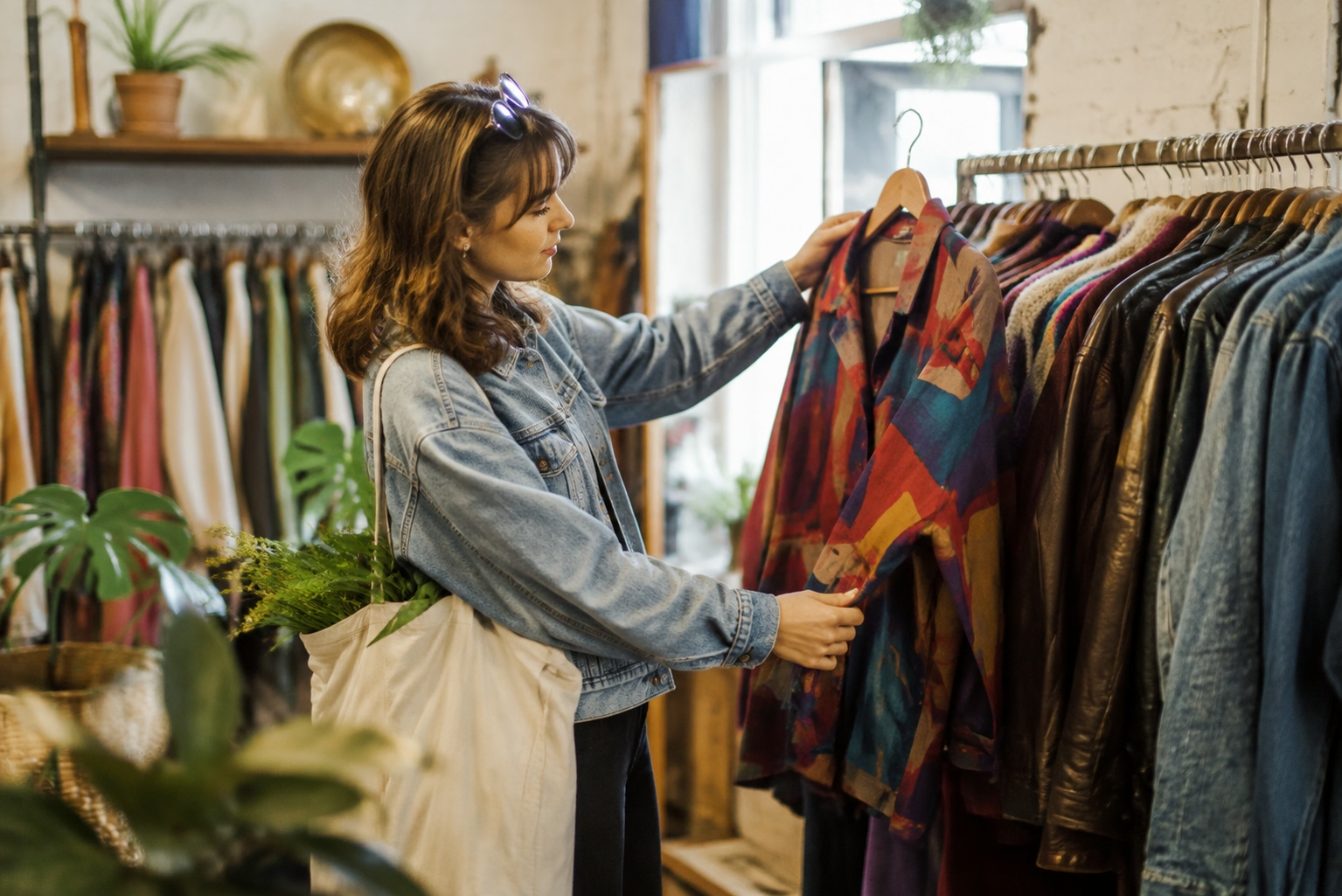
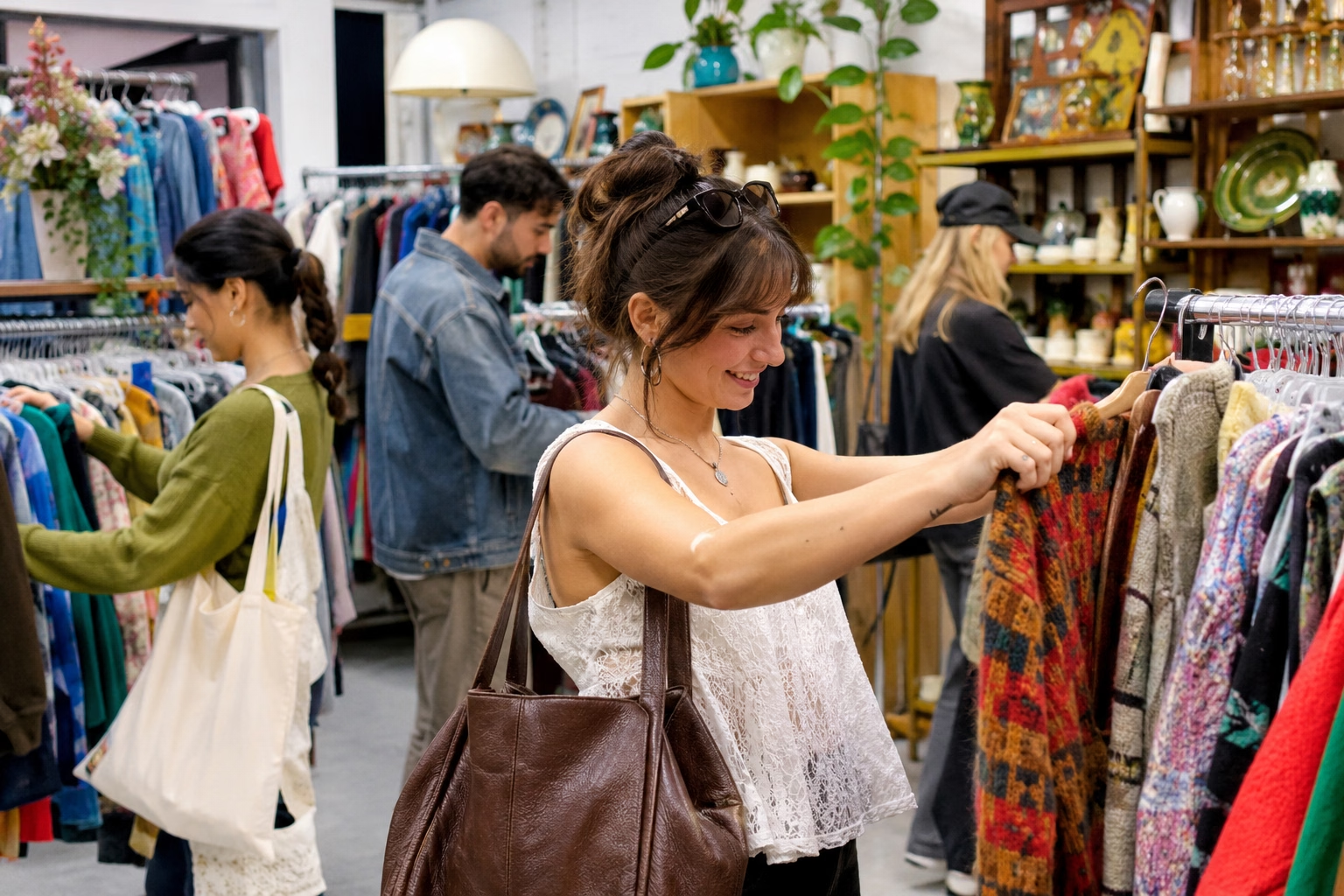
Australia’s relationship with fashion is fraught with contradiction. On one hand, the nation is embracing circular fashion at an unprecedented rate, with the second-hand market projected to hit $1.5 billion by 2032 . On the other, Australians remain among the world’s most voracious consumers of new clothing, buying an average of 56 items per person annually—more than any other country . This dichotomy has given rise to a phenomenon that researchers and fashion academics are increasingly scrutinising: moral licensing. The concept, as explained by Associate Professor Tiziana Ferrero-Regis from Queensland University of Technology, describes a psychological loophole where consumers justify excessive purchasing behaviour with the belief that buying second-hand absolves them of environmental guilt .
The Illusion of Guilt-Free Shopping
The mechanics of moral licensing are particularly pronounced on algorithm-driven resale apps like Depop and Vinted. These platforms are designed to mimic the endless scroll of social media, presenting a curated grid of desirable items that encourages impulse purchases. “Consumers of second-hand clothing now behave in the same way they buy fast fashion,” Ferrero-Regis notes, adding that online resale can become addictive in the same ways as traditional fast fashion . The critical issue is volume. While each individual second-hand purchase displaces the need for a new item, the aggregate effect of buying more items simply because they are pre-loved can negate the environmental benefits. If a consumer purchases ten second-hand shirts instead of three new ones, the resource intensity of shipping, packaging, and eventual disposal may still outweigh the savings.
Fast Fashion’s Encroachment on Resale
Compounding the moral licensing problem is the infiltration of ultra-fast fashion into the resale ecosystem. Long-time Depop seller Esta Padillo told the ABC that she has observed a troubling trend: drop-shippers purchasing cheap garments from sites like Shein and Temu and reselling them at inflated “vintage” prices . This practice not only undermines the authenticity of the pre-loved market but also floods platforms with low-quality items that are unlikely to withstand the test of time—the very antithesis of circularity. While Depop’s terms of service prohibit drop-shipping, enforcement remains a persistent challenge, leaving platforms to grapple with the tension between growth targets and brand integrity .
Rethinking Circularity Metrics
Despite these challenges, the growth of the resale market has undeniably kept millions of garments in circulation. eBay Australia reports that a pre-loved dress is sold every 60 seconds on its platform, and nearly 40% of all clothing sold globally on eBay in 2024 was listed as pre-loved . Yet, the environmental math is not straightforward. Seamless Australia estimates that over 220,000 tonnes of clothing were sent to landfill in 2024—a mere 1% decrease from the previous year . For circular fashion to deliver on its promise, the focus must shift from the act of buying second-hand to the volume of consumption. As Dr. Ferrero-Regis argues, second-hand clothing has the potential to reduce consumption, but it is not automatic; without a conscious shift in mindset, the resale boom risks becoming a faster, more efficient engine for the same old cycle of disposability .